
Public health probe under way after salmonella outbreak sickens hundreds
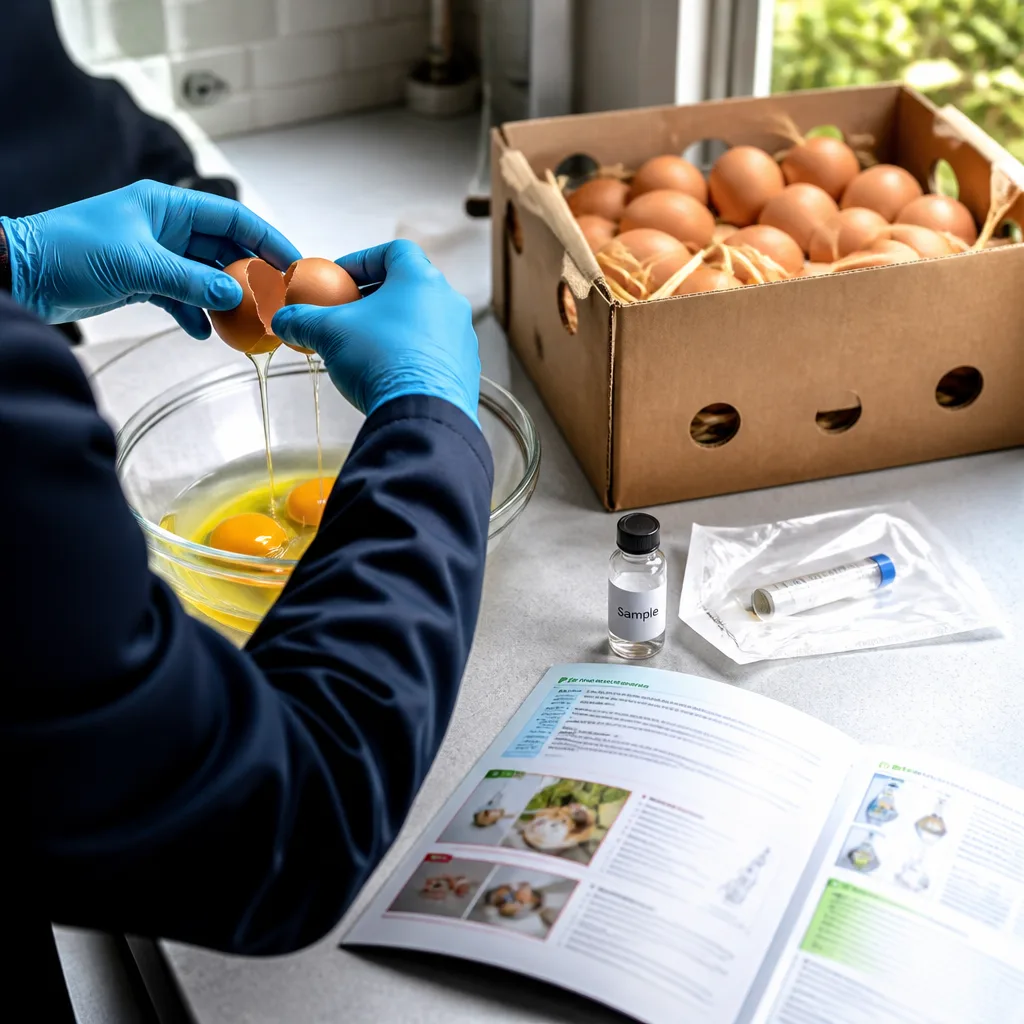
The UK Health Security Agency (UKHSA) has launched an investigation after a cluster of 207 confirmed cases of salmonella across the past year, with most infections recorded in recent weeks. Authorities say the outbreak involves a single, identical strain of the bacterium and has been linked in their ongoing inquiries to food prepared with imported eggs.
Health officials reported that one person has died after contracting the infection, and that more than a third of those affected have required hospital treatment. Two patients developed invasive bloodstream infection (sepsis), a recognised serious complication of salmonellosis. Most cases, the UKHSA says, occurred in England: 199 of the 207 confirmed infections were in England, including 47 in London and 38 in Yorkshire and Humber.
Symptoms, risk and public advice
Symptoms typically include abdominal cramps, diarrhoea, vomiting and fever, with onset usually between 12 and 72 hours after exposure. While most people recover without medical treatment, clinicians advise anyone concerned to contact their GP or local out‑of‑hours service in the first instance. Vulnerable groups — including the very young, the elderly and those with weakened immune systems — are at higher risk of severe illness.
- Total confirmed cases: 207
- Cases in England: 199
- London: 47
- Yorkshire and Humber: 38
- Hospital admissions: more than one third of cases
Public‑health officials reiterated standard food safety messages: thoroughly cooking eggs and other poultry products, avoiding consumption of raw or undercooked eggs, and practising good hand hygiene when preparing food.
"We're working with Food Standards Agency and other public health agencies to investigate a salmonella outbreak that may be linked to eggs imported from outside of the UK."
Investigations and preliminary findings
The UKHSA said extensive epidemiological and food‑chain investigations are ongoing to identify the precise source of the outbreak, but that current evidence makes egg consumption the strongest lead at this stage. Some of the food businesses associated with 24 of the cases reportedly use imported eggs. The agency stressed there is no identified link at this time to eggs or poultry produced in the UK.
Foodborne outbreaks involving many people infected by a single strain are less common than the routine, often sporadic, salmonella cases seen each year in the UK. When they do occur, pinpointing the source can require detailed microbiological, traceability and supply‑chain work, and may take time. The UKHSA said it will implement any additional protective measures if investigations indicate they are needed.
| Geographic area | Confirmed cases |
|---|---|
| England (total) | 199 |
| London | 47 |
| Yorkshire and Humber | 38 |
| All UK | 207 |
Context and caveats
Salmonella bacteria can contaminate many foods, commonly raw or undercooked poultry, meat and eggs. The present investigation focuses on a discrete strain and uses conventional epidemiological methods to link cases to possible common exposures. While the association with imported eggs currently appears strongest, association does not prove causation: ongoing laboratory testing, supply‑chain audits and case interviews will be needed to confirm any definitive source.
Officials emphasised that the overall risk to the general public remains low, and reiterated standard prevention steps for consumers and food businesses. The UKHSA, the Food Standards Agency and partner agencies are coordinating the response and will update the public as further findings become available.
Given the potential for serious outcomes in a minority of patients, clinicians and public‑health teams will continue surveillance and offer guidance to healthcare providers managing suspected cases. The investigation underlines the importance of rapid detection and multiagency cooperation in responding to foodborne outbreaks.














