
Memory supply set to stay tight as buyers lock in long-term deals
Major moves by GPU maker Nvidia and statements from memory producer SK Hynix indicate the market expects the global shortage of high-performance memory chips to persist. The developments offer a clearer picture of what lies ahead for memory manufacturers, including Micron Technology, which has been a primary beneficiary of rising demand for AI compute.
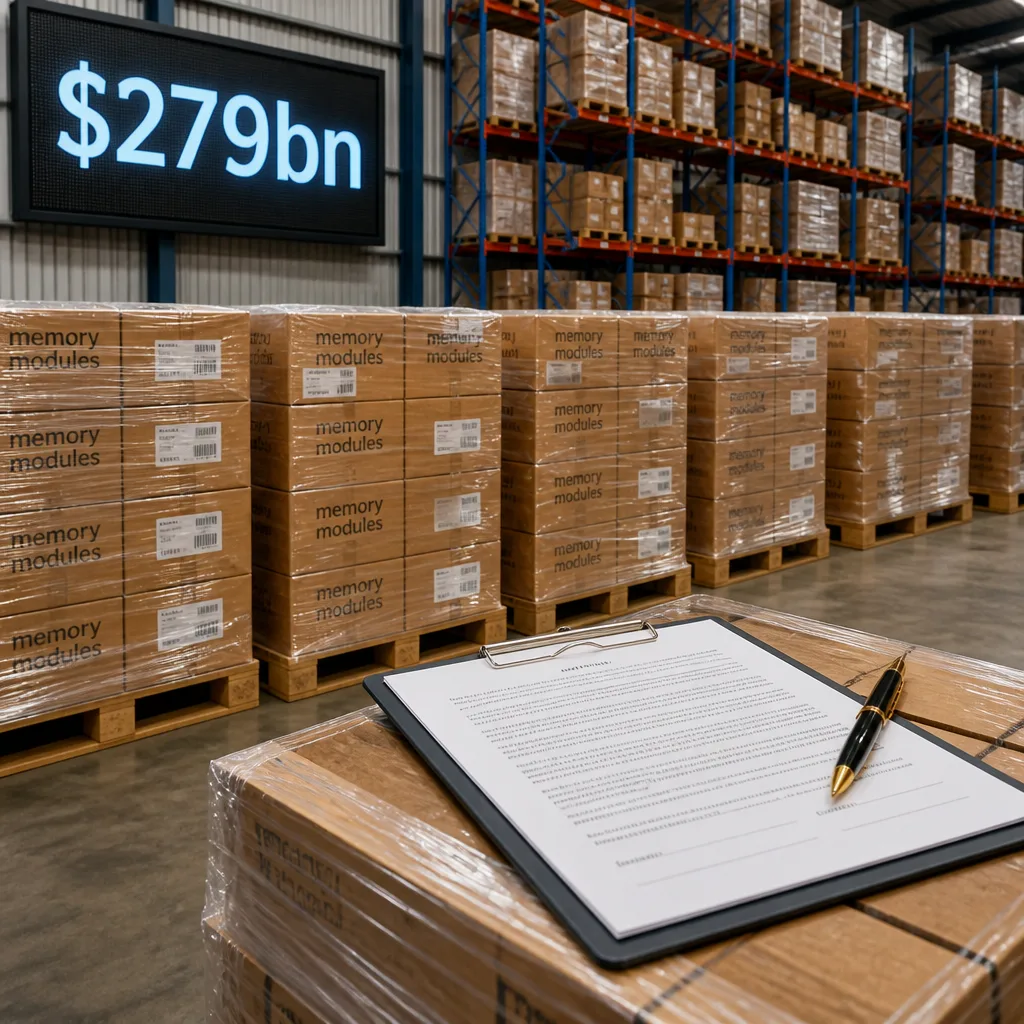
Nvidia revealed in its second-quarter results that it had increased commitments to suppliers to $279 billion, up from $119 billion in the prior quarter — a jump of $160 billion. The company attributed the rise chiefly to memory procurement. That scale of forward buying suggests Nvidia is securing supplies through long-term agreements, creating a firm demand anchor for memory producers.
"Increased its commitments to suppliers to $279 billion, up from $119 billion in the previous quarter,"
Those locked-in purchases change the economics for manufacturers. With guaranteed buyers and contracted volumes, memory firms gain the confidence needed to plan and fund new production capacity. At the same time, long-term supply contracts can limit upside on spot prices should demand outstrip supply growth — a trade-off that financial markets are weighing.
SK Hynix, a leading memory-chip maker, underscored the shift in supply dynamics. Company management warned at a recent event that shortages could be prolonged, strengthening the case for sustained tightness in the market. For investors this is a meaningful signal: extended supply constraints typically support higher margins for suppliers that can meet demand.
What this means for Micron and the memory sector
Micron has already seen a significant revenue and profit upswing as data-centre GPU deployments accelerate. The new evidence from Nvidia and SK Hynix suggests that those gains may not be short-lived. Key implications include:
- Reduced cyclicality: Large, multi-quarter contracts can smooth demand swings that historically make memory stocks volatile.
- Capacity planning: With buyers committing capital and volume, suppliers are likelier to greenlight new fabs or expansions.
- Price dynamics: Contractual guarantees cap how high spot pricing can rise, yet they also support a floor beneath which prices are less likely to fall.
Markets have reacted to the mix of signals in nuanced ways. Although the commitments are substantial, there was not an immediate rally in some stocks tied to memory. The day after Nvidia disclosed the increased supplier commitments, its shares dipped slightly — reflecting investor judgement that the extra visibility does not guarantee runaway profits if contracts cap pricing.
For Micron, the outlook remains favourable but is not without caveats. Guaranteed demand underpins revenue forecasts, yet the margin picture will depend on the specifics of agreements, which suppliers are chosen, and how quickly new capacity comes online.
Where investors and customers should watch next
Several variables will determine whether the current supply squeeze eases or tightens further:
| Metric | Recent data point |
|---|---|
| Nvidia supplier commitments | $279bn (from $119bn) |
| Quarter-on-quarter increase | $160bn |
| SK Hynix guidance | Management warned shortages could last longer |
Watch for the following concrete developments that will sharpen the picture:
- Which memory suppliers sign multi-year contracts with Nvidia and at what volumes;
- Announcements of new wafer fabs or capacity expansions from major producers;
- Pricing trends in both contract and spot markets for high-bandwidth memory used in AI systems.
The interplay between strategic buyer commitments and supplier capacity decisions will determine whether the memory tightness evolves into a durable period of higher margins for producers or a shorter cycle capped by contractual pricing. For customers and investors, the immediate impact is clearer: expect continued close attention to supply agreements and capacity announcements rather than sudden relief in availability or prices.
These are commercial forces at the heart of the AI hardware supply chain — not a short‑term blip. The message from recent corporate moves is straightforward: major buyers are prepared to lock in supply, and key manufacturers expect the shortage to persist.









