Two weeks of seemingly separate announcements from Nvidia and SpaceX are beginning to look like pieces of a single plan to accelerate the build‑out of vast AI computing capacity. Taken together, the items — an exclusive GPU commitment, an aggressive compute target, massed financial partnerships and a large cross‑shareholding — point to co‑operation that could shape who supplies and funds the next wave of AI infrastructure.
What happened
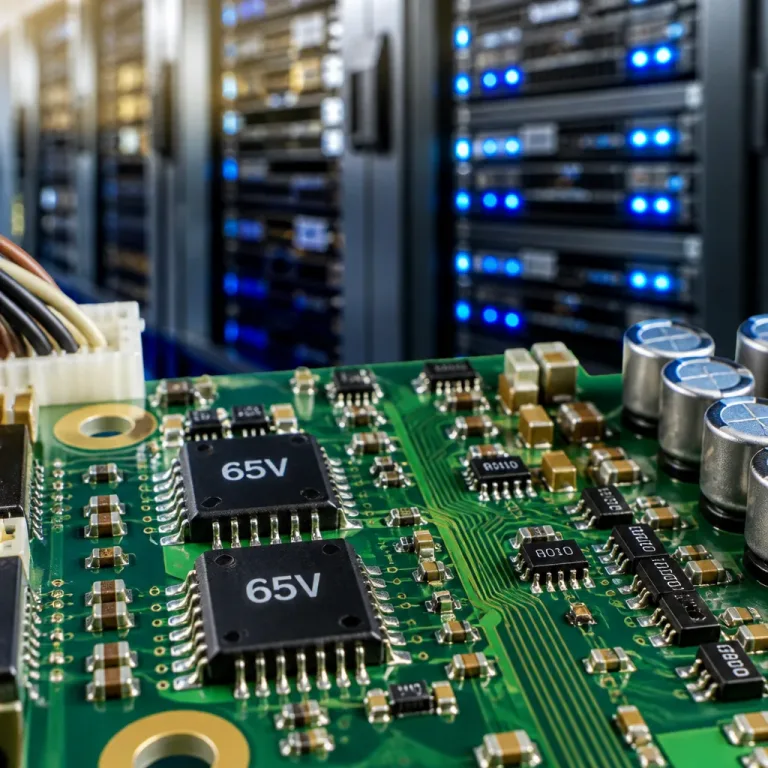
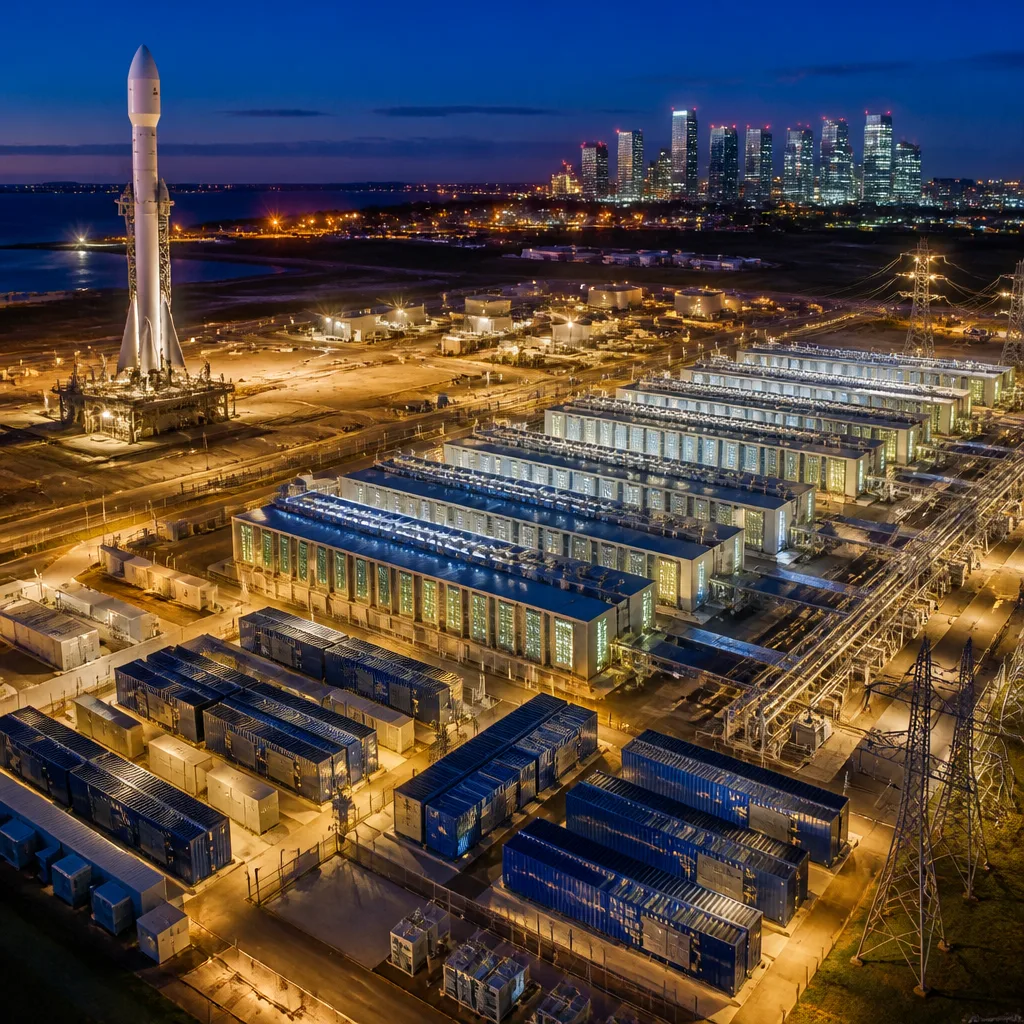
On 4 August, Elon Musk told investors SpaceX would commit exclusively to Nvidia GPUs for its data centre needs during the company’s first conference call. On the same day he set a public target for SpaceX to reach 10 gigawatts (GW) of AI compute by the end of 2027, up from about 1.4GW today.
Shortly afterwards, on 10 August, Nvidia revealed financing arrangements with a group of large asset managers and banks — including Apollo, BlackRock, Blackstone, Brookfield, Goldman Sachs and KKR — intended to mobilise more than $500 billion of third‑party capital. Two days later, Nvidia’s Q2 13F filing disclosed it held about 122.8 million SpaceX shares, valued at roughly $21 billion.
Numbers that matter
The companies have laid out a rapid growth narrative:
- Nvidia’s Data Centre revenue: $75 billion in the last quarter, up 92% year‑on‑year.
- SpaceX AI segment revenue: $2.56 billion in Q2, up 247% year‑on‑year.
- SpaceX AI capex in the quarter: $15.83 billion of an $18.37 billion capex bill was directed to AI infrastructure.
- SpaceX compute ambition: increase from ~1.4GW to 10GW by end of 2027; estimated cost around $500 billion to reach that scale.
| Metric | Reported figure |
|---|---|
| Nvidia Data Centre revenue (quarter) | $75bn |
| SpaceX AI revenue (Q2) | $2.56bn |
| SpaceX AI capex (Q2) | $15.83bn of $18.37bn |
| Nvidia stake in SpaceX | ~122.8m shares (~$21bn) |
Why it matters
If SpaceX and Nvidia are aligning hardware supply, software stacks and finance, the implications are broad. Nvidia supplies the GPUs, networking and software many frontier AI models run on. SpaceX is emerging as a hyper‑scale buyer, with its Grok, Colossus II and cloud services businesses growing rapidly. A partnership that pairs Nvidia’s systems with SpaceX’s scale — financed by large institutional capital — would lower the barrier for very large model training and deployment, while concentrating control of critical infrastructure in fewer hands.
“the largest infrastructure expansion in human history”
The phrase above, used by Nvidia’s chief executive to describe the company’s expansion, captures the scale the industry is discussing. That scale prompts immediate questions about supply chains, market competition, and who controls long‑term costs and access.
Market reaction and finance
Following the initial earnings call, SpaceX shares fell as some market participants doubted the financing path for such an ambitious compute target. The stock then rallied, recovering above its IPO price after research published in the days that followed acted as a catalyst, according to reporting on market moves.
Nvidia’s announcement that large institutional investors were prepared to mobilise substantial capital is significant because the estimated cost to reach SpaceX’s 10GW goal — about $500 billion — aligns with the financing package Nvidia outlined. That parallel does not prove formal coordination, but it does suggest each side is laying financing and supply foundations to enable rapid scale‑up.
What to watch next
Key near‑term developments to monitor include any formal supply or strategic agreements between the companies, detailed plans for how third‑party capital will be deployed, and regulatory scrutiny of concentrated supply and ownership in critical AI infrastructure.
For the UK technology ecosystem, the strategic alignment of a hardware supplier and a hyperscaler backed by deep finance could shape where large models are trained, who provides data centre services, and the international competitive landscape for AI infrastructure.
The coming months should clarify whether the moves amount to a co‑ordinated strategy or parallel initiatives that happen to dovetail. Either way, the scale of the figures and the players involved merits close attention from industry, investors and policymakers.