
What is changing and when
The Essex‑Windsor emergency medical services (EMS) will move to a new dispatch system from 16 September, officials have confirmed. The change, billed as a measure to get paramedics to the region’s most urgent medical emergencies more quickly, will affect how 999 calls are prioritised and routed within the Essex and Windsor area.
Why it matters to Windsor residents
Emergency medical response is a core public service for any town and the way calls are triaged and dispatched can have an immediate effect on patient outcomes, particularly in life‑threatening situations. For Windsor residents, the new system promises to alter the timetable and patterns by which ambulances are sent to incidents across the city and into surrounding communities.
- Rollout date: 16 September
- Area affected: Essex and Windsor EMS region
- Objective: Quicker response to the most urgent calls
Officials’ description
"A new system designed to get paramedics to the region’s most urgent medical emergencies faster is coming to Essex‑Windsor EMS next month."
The line above summarises the public explanation provided by local reporting. It indicates the intended effect of the new software or processes being introduced into the dispatch operation. Authorities have framed the move as an operational improvement rather than a budgetary change.
How the change could land locally
Dispatch systems determine which calls are deemed highest priority and which crews are sent. That can affect:
- which calls get an immediate ambulance response;
- how quickly crews are directed from hospitals or stations to incidents across Windsor;
- the distribution of resources between busy urban areas and outlying districts in the Essex‑Windsor region.
For residents, that could mean faster help for cardiac arrests, severe trauma and other time‑critical conditions. It may also change the visible pattern of ambulances in particular neighbourhoods at different times of day.
What we know (and what we don’t)
Public reporting confirms the date of the switch and the stated aim of speeding up attendance at the most urgent calls. Details that remain to be clarified include:
- how the new system classifies different categories of call compared with the current system;
- whether extra training or staffing changes will accompany the technical switch;
- how progress will be measured and communicated to the public after launch.
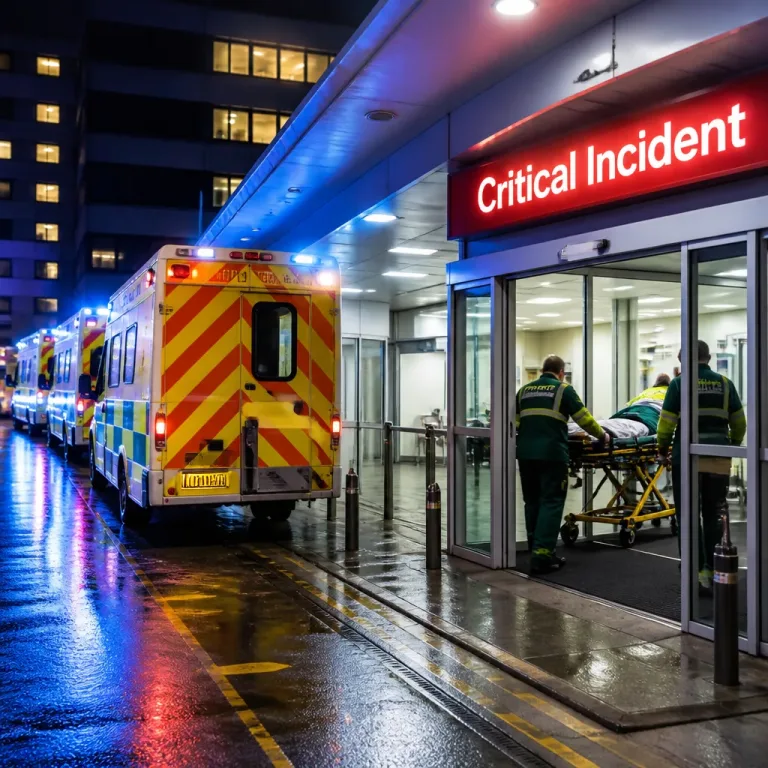
The Windsor Regional Hospital Met campus — where ambulances regularly transfer patients — has been pictured in local coverage alongside the announcement, underlining the link between dispatch changes and hospital handover operations.
| Item | Detail |
|---|---|
| Launch date | 16 September |
| Region | Essex‑Windsor EMS (including Windsor) |
| Main aim | Faster attendance at the most urgent emergencies |
What residents should do now
Residents do not need to change how they call for help: in life‑threatening situations they should continue to dial 999. The change is to the behind‑the‑scenes process used by dispatchers to assess and prioritise calls. Anyone with concerns about how the change might affect care for a specific health condition should discuss them with their GP or local health provider.
Local reporters will continue to follow up with EMS and health service managers to obtain more information on how the new system will be monitored and whether any early performance data will be shared with the public after the switch.
Photograph used in local reporting showed an ambulance at the Windsor Regional Hospital Met campus.