From seizures to a foster home: Little Debbie’s recovery in Chatham
A dog that was found seizing from exposure to illegal drugs in Chatham has made a substantial recovery and is close to being permanently rehomed, the Pet & Wildlife Rescue (PAWR) has said.
In September the animal, known as Little Debbie, was brought to PAWR suffering uncontrolled convulsions. Veterinary tests identified the presence of cocaine and amphetamines in her system. The initial prognosis raised serious concern: while the immediate seizures stopped as the substances left her body, the convulsions left the dog blind and veterinarians gave only a 50/50 chance that her sight would return.
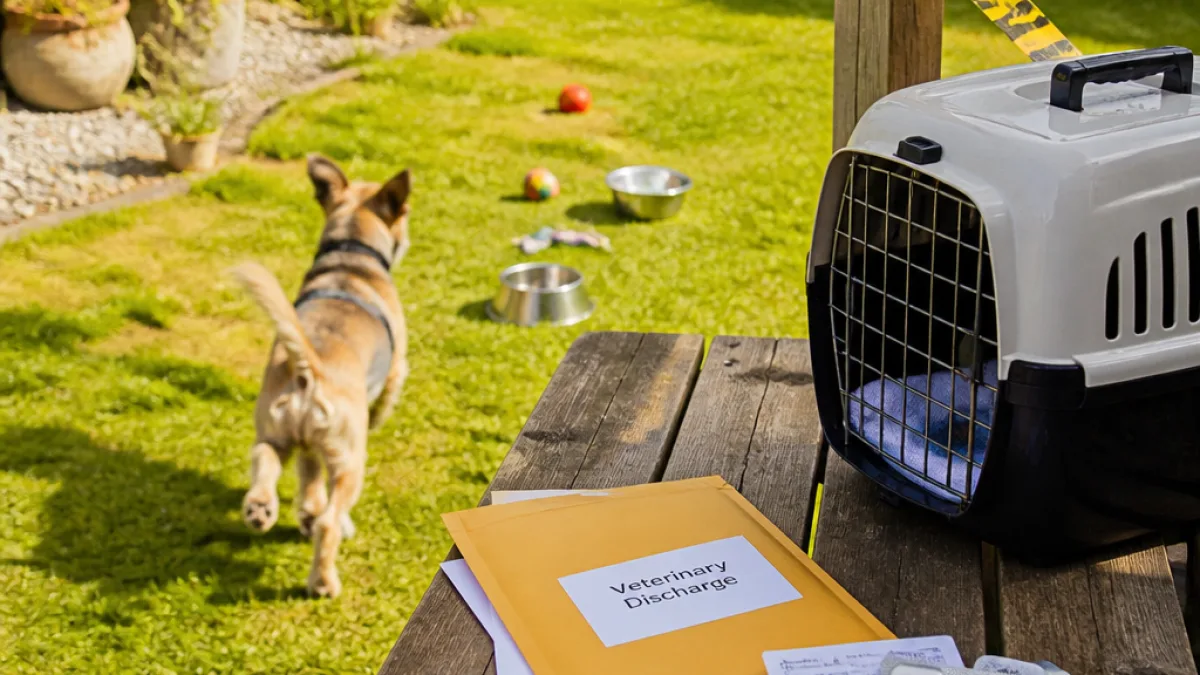
PAWR’s executive director, Myriam Armstrong, said the recovery has been better than expected. After a period in foster care, Little Debbie appears to have regained most, if not all, of her vision and is now behaving like a normal puppy, running and playing around her foster home.
"She seems completely fine now. Our vet is pretty surprised,"
Armstrong added that seeing Little Debbie active again was astonishing given how serious her condition had been when she arrived at the rescue. She said that anyone unfamiliar with the earlier ordeal would assume the dog had not suffered such trauma.
Adoption and ongoing inquiries
Little Debbie has been living with a foster family for several weeks and PAWR expects to finalise her adoption in the next week or so. Meanwhile, local animal-welfare authorities are continuing to investigate how she gained access to illegal drugs.
- Found seizing and taken to PAWR in September.
- Tests showed cocaine and amphetamines in her system.
- Initially left blind with a 50/50 prognosis for sight recovery.
- Now in foster care, appears to have regained most or all vision and is due to be adopted.
- Animal-welfare investigation into how the dog accessed the drugs is ongoing.
The case highlights several local issues. There is the immediate animal-welfare concern when pets are exposed to toxic substances, and the strain such incidents place on rescue organisations and veterinary services. PAWR’s ability to provide foster care and medical attention has been central to Little Debbie’s recovery, yet the rescue continues to rely on community support to care for animals with complex needs.
There are also public-safety questions. That a dog could be exposed to illicit drugs raises the prospect of unsecured substances in a household or public place, which could pose risks to other animals and children. Armstrong said she was hoping for an update from Animal Welfare on the progress of their inquiries.
| Event | Timing |
|---|---|
| Brought to PAWR seizing | September |
| Tests revealed cocaine and amphetamines | September |
| Placed with foster family | Several weeks |
| Expected adoption | Within about a week |
For local residents, the story is a reminder to keep potentially dangerous substances out of reach of pets and to report any concerns about animal welfare to the appropriate authorities. It also underlines the role of charities such as PAWR in responding to emergencies and supporting animals until they can move to permanent homes.
Armstrong’s comments conveyed relief at Little Debbie’s turnaround and gratitude for the foster family’s role in her rehabilitation. The rescue did not provide further details about the ongoing investigation, and it remains unclear where the exposure occurred or whether any criminal charges will follow.
As Little Debbie prepares to leave foster care and start a new life, PAWR continues to ask the public for vigilance around animal safety and for support for local rescue services, which step in when pets are found in distress.