
Michael Sheen has continued an inquiry into alleged historic chemical dumping in Wales after meeting a whistleblower who warned of contamination at multiple sites that may be linked to rare cancers among local residents.
Whistleblower raised the alarm
The documentary, broadcast on BBC iPlayer, follows the investigation of Douglas Gowan, a former farming consultant who spent decades trying to draw attention to what he described as dangerous industrial waste left in and around communities in Wales. Gowan identified around 14 sites, of which he said 12 were in Wales, and named polychlorinated biphenyls (PCBs) among contaminants of concern.
PCBs are man‑made chemicals that were widely used in the 20th century for their electrical insulating and heat‑resistant properties. They persist in the environment. The documentary records Gowan warning that PCBs “build up in the environment, build up in animals and fish, and it builds up in us.”
“What he told me made my blood run cold,”
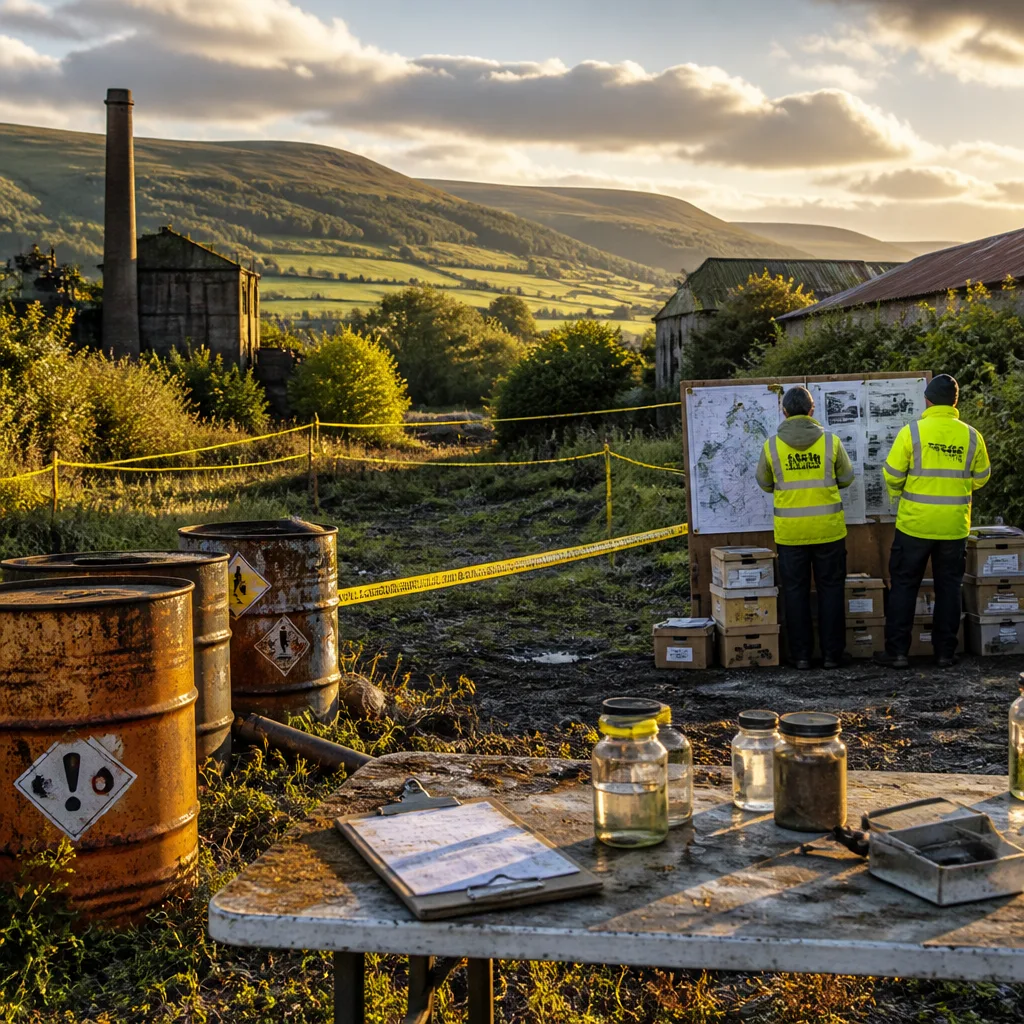
Sheen told the programme that Gowan’s disclosures, and accounts from people who grew up near the sites, prompted further inquiry. Several former local residents — including the journalist Michael Phillips, who is originally from the area — say that friends who played in and around contaminated lagoons and rusty barrels in the 1980s have since developed rare cancers.
Companies and authorities seek to respond
The programme identifies corporate and regulatory threads. It says that the legacy of production in the UK now rests with Eastman Chemical Company, which the filmmakers approached for comment. According to the BBC, Eastman did not respond to requests for comment from Sheen’s team or the broadcaster.
The film frames PCBs as what Sheen described as "the godfather of forever chemicals", noting their durability and capacity to persist in ecosystems and bodies long after use has ceased. That persistence raises questions about historical industrial practices, disposal methods and the adequacy of subsequent site remediation.
Community impact and health concerns
Those interviewed in the documentary recount childhood activities — playing near lagoons, striking rusting drums — that now trouble them in light of later illnesses among peers. The film does not establish a direct causal link between exposure at the sites and specific cancer cases; it records personal testimony and the whistleblower’s allegations as the impetus for further scrutiny.
Public‑health and environmental experts caution that establishing causation requires systematic epidemiological study, environmental sampling and transparent access to historical records on waste handling and discharges. The programme highlights how the passage of time and the death of key witnesses complicate attempts to construct a full picture.
- 14 sites were reported to Gowan, with 12 in Wales.
- PCBs feature centrally in the complaints; they are persistent industrial chemicals.
- Eastman Chemical Company was approached but did not provide comment to the filmmakers or the BBC.
Local memories of contamination sit alongside an evolving regulatory framework. PCBs were widely produced and used across many industries, and their disposal and legacy contamination have been the subject of remediation and enforcement actions in numerous countries. The documentary raises questions about whether all affected UK sites were identified and adequately addressed.
| Item | Detail |
|---|---|
| Sites reported by whistleblower | 14 (12 in Wales) |
| Chemicals highlighted | Polychlorinated biphenyls (PCBs) |
| Company linked to legacy production | Eastman Chemical Company |
The documentary may prompt renewed calls for independent testing of soils, water and local food chains near the locations named, and for authorities to make available any historic records that could clarify the scale and timing of discharges. It also underlines how individual testimony can drive public‑interest journalism on complex environmental harms when official action appears limited or delayed.
For affected communities the immediate questions are practical and pressing: where contamination occurred, whether it persists today, the extent of public‑health risk and who bears responsibility for investigation and remediation. The programme adds urgency to those questions while stopping short of making medical or legal determinations.
Broadcasters and campaigners say the film’s revelations deserve a measured official response that prioritises transparent environmental assessment and community engagement. Any further action will depend on the findings of targeted environmental surveys and the willingness of companies and public bodies to disclose records and cooperate with investigations.















