
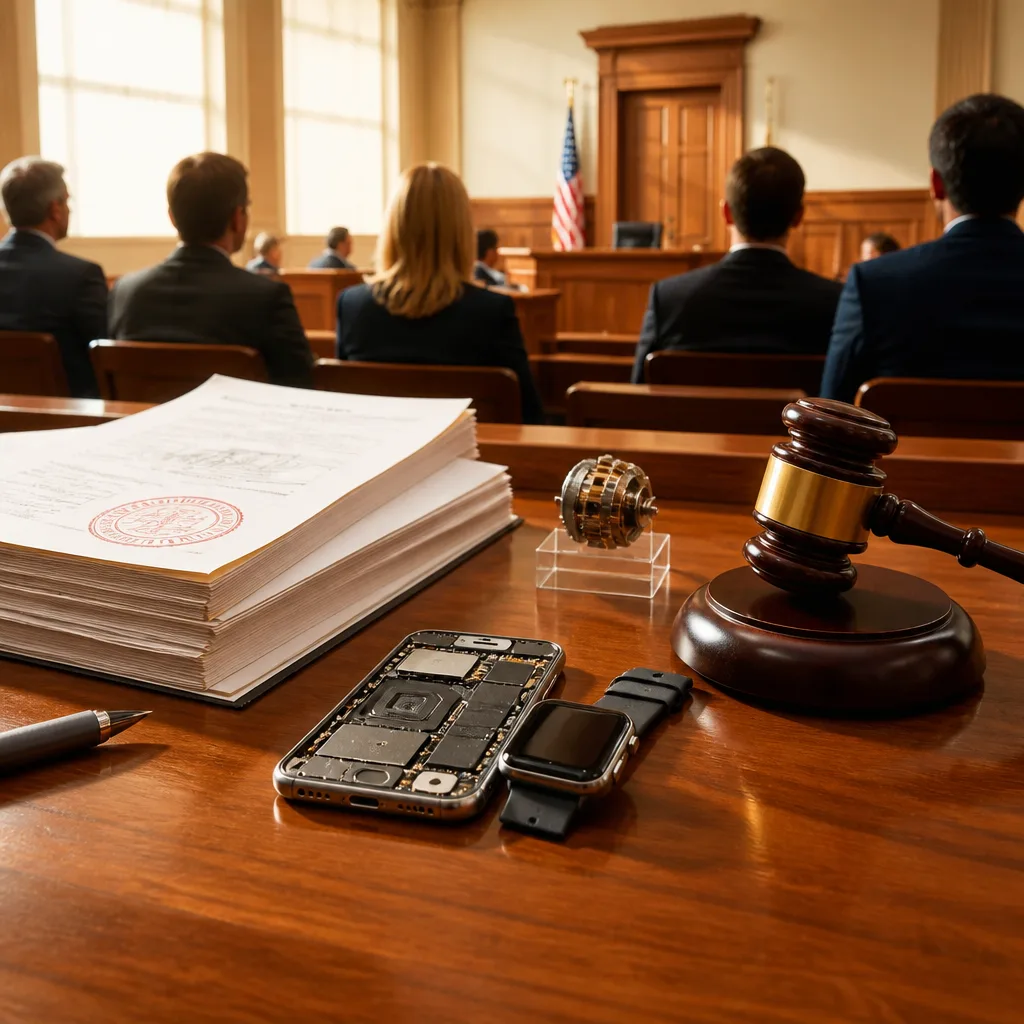
A United States jury has ruled that Apple must pay California-based company Taction in excess of $5.7 billion after finding the technology behind Apple’s haptic feedback systems infringes two Taction patents.
Verdict and immediate response
The jury decision, handed down on Friday, concluded that Apple’s so-called Taptic Engine — the component that produces the subtle vibrations users feel when interacting with iPhones and Apple Watches — violated two patents owned by Taction, a company that supplies haptic systems for headphones and gaming headsets.
“Apple does not use Taction's technology, and we will appeal.”
Apple said it will challenge the verdict. The company has already indicated it will lodge an appeal against the award, signalling that the matter will progress through further rounds of legal scrutiny.
Why the ruling matters
The size of the payment makes this one of the largest jury awards in recent US patent litigation of its kind. Beyond the headline figure, the decision raises practical and legal questions for smartphone makers and component suppliers about how haptic systems are designed, licensed and defended.
- Financial exposure: The award represents a potentially significant liability for Apple should the verdict be upheld on appeal.
- Design and supply chains: Manufacturers that use or source tactile-feedback components may face increased licensing demands or heightened litigation risk.
- Patent strategy: The case underscores the value of intellectual property in hardware innovation, especially where small components can drive user experience.
Case history and technical claims
Taction filed suit against Apple in 2021, asserting its patents cover technology used to produce tactile sensations. The trial record included technical testing and dispute over how similar Apple’s implementation is to Taction’s patented approach. During the proceedings, jurors were asked to weigh expert demonstrations and tests presented by both sides to determine whether Apple’s hardware infringed the asserted patents.
Last year the U.S. Court of Appeals for the Federal Circuit revived the litigation after a federal judge in San Diego previously ruled in 2023 that Apple had not infringed the patents. That appellate decision allowed the case to return to a jury for determination of infringement and damages.
What we know and what remains unclear
Public statements from the two companies have been limited. Taction markets haptic systems for headphones and gaming peripherals and asserted during the litigation that Apple’s technology relied on aspects of its patented approach. Apple has consistently denied using Taction’s technology and will pursue an appeal to overturn the ruling.
The outcome of an appeal could alter the damages awarded, overturn the finding of infringement altogether, or prompt negotiations over licensing. Whatever path the case follows, it will be watched closely by device makers and chip suppliers for its potential to reshape how makers approach tactile-feedback features.
| Year | Event |
|---|---|
| 2021 | Taction files lawsuit against Apple |
| 2023 | Federal judge in San Diego rules no infringement |
| 2025/2026 | Federal Circuit revives case; jury awards $5.7bn |
The ruling arrives as Apple continues to evolve its product line; the company has recently refreshed flagship models and introduced new chips and form factors. Any legal disorder affecting a core user-experience component could have commercial as well as legal consequences.
For now, the most immediate development will be Apple’s appeal and the ensuing legal exchanges. The appeals process could take months or years and may deliver a very different outcome to the jury’s decision. In the interim, the size of the award will be a talking point across the technology industry and among investors closely following litigation risk at major device makers.









