
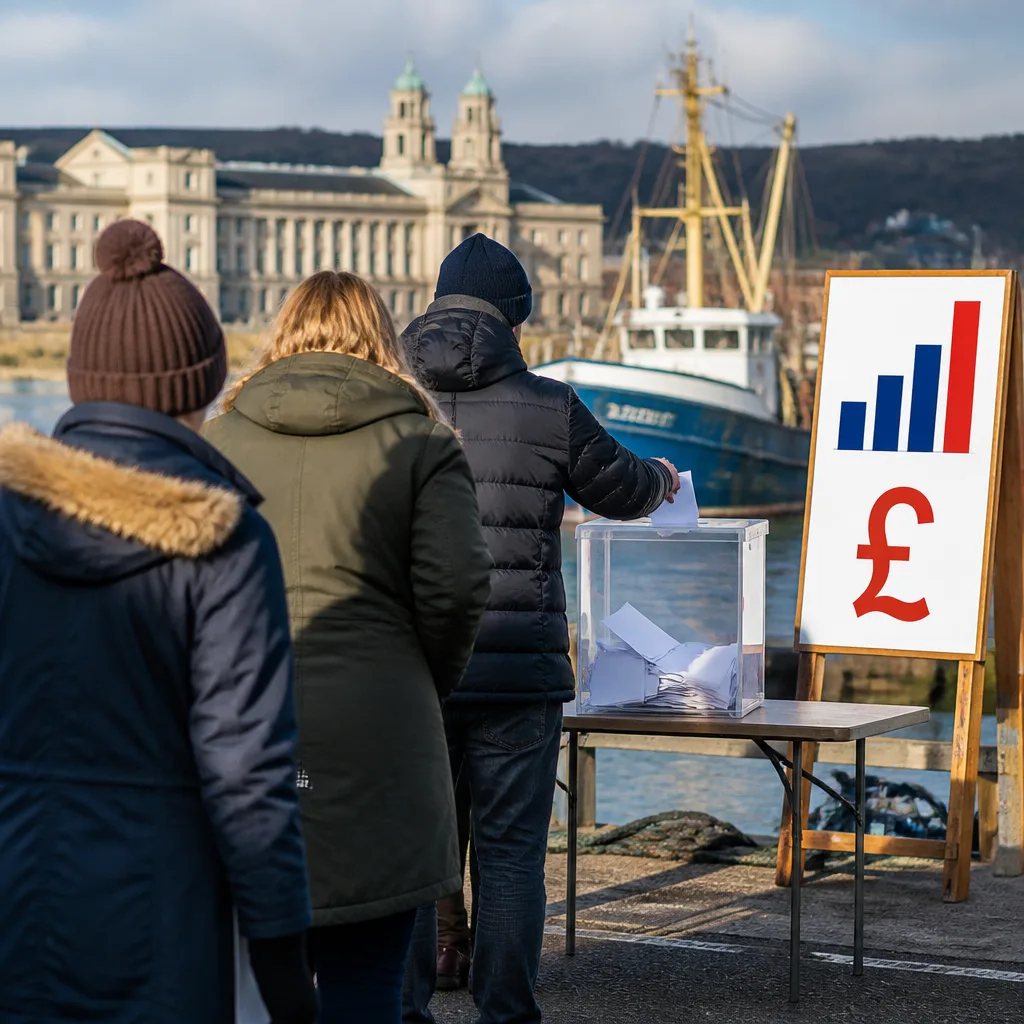
Iceland will hold a referendum this weekend on whether to open formal talks to join the European Union — a move the country’s centre-left coalition government pledged two years ago. The vote asks whether Iceland should begin negotiations; if the measure passes there would be a second referendum on whether to accept any negotiated terms and become a member.
Economic vulnerability and the currency question
With a population of about 400,000, Iceland’s government has argued that membership would offer greater economic stability and political weight within a larger bloc. Critics counter that accession would require difficult compromises on sovereignty, fisheries and monetary policy.
At the centre of the debate is the krona, Iceland’s national currency. Opponents warn that its small size makes the economy vulnerable to swings in commodity prices and external pressures; supporters say EU membership would bring a degree of insulation from trade coercion and closer alignment with major European markets.
Inflation is a key data point in the campaign. The country’s rate is currently 5.4%, a figure repeatedly cited by both sides: proponents argue joining the EU (and later adopting the euro if accession went that far) could help anchor prices, while sceptics say loss of independent monetary tools could leave Iceland exposed to policies set in Brussels and Frankfurt.
| Statistic | Value |
|---|---|
| Population | ~400,000 |
| Inflation | 5.4% |
| Referendum process | Vote to open talks; if passed, a later referendum on final accession terms |
Politics, persuasion and an unlikely campaigner
The government’s case has been presented by senior ministers including the prime minister and foreign minister, who have emphasised the benefits of being part of a larger, like-minded group of nations for trade and security. Campaigning has involved activists, businesses and academics on the pro-accession side.
“The world is sadly getting more unpredictable,” Foreign Minister Þorgerður Katrín Gunnarsdóttir said, adding that it is “important for a small nation like Iceland to see the benefits of being a part of a larger group, like-minded nations like the EU.”
Adding an unconventional note to the campaign, a British peer well known for eurosceptic views has made public interventions in Icelandic debate. His involvement drew attention because of a personal connection: he had his stag party in the country more than two decades ago. The presence of such outside voices has prompted discussion in Iceland about who should be advising voters on an issue with immediate national consequences.
What voters are weighing
The referendum frames a choice between negotiating membership — with the promise of deeper integration and potential economic safeguards — and retaining full national control over currency, fisheries and regulatory standards.
- Proponents argue accession would reduce exposure to tariffs, strengthen ties with major markets and potentially stabilise inflation through closer alignment with eurozone policies.
- Opponents warn of loss of monetary sovereignty, difficult concessions on fisheries (a politically sensitive area) and the risk of being bound by rules decided by larger members.
- Undecided voters face a two-stage process: a vote to open negotiations, and, if talks proceed, a later referendum on whether to accept the negotiated terms.
Because any accession process would be protracted and conditional, the immediate vote does not itself deliver membership. But it does set in motion negotiations that could reshape Iceland’s economic alignment and regulatory framework over years — with consequences for trade, monetary policy and diplomatic relations across Europe.
As the campaign concludes ahead of the weekend ballot, the debate in Iceland reflects broader tensions in European politics: how small states balance sovereignty against collective security and economic integration, and how domestic decisions resonate beyond national borders.









