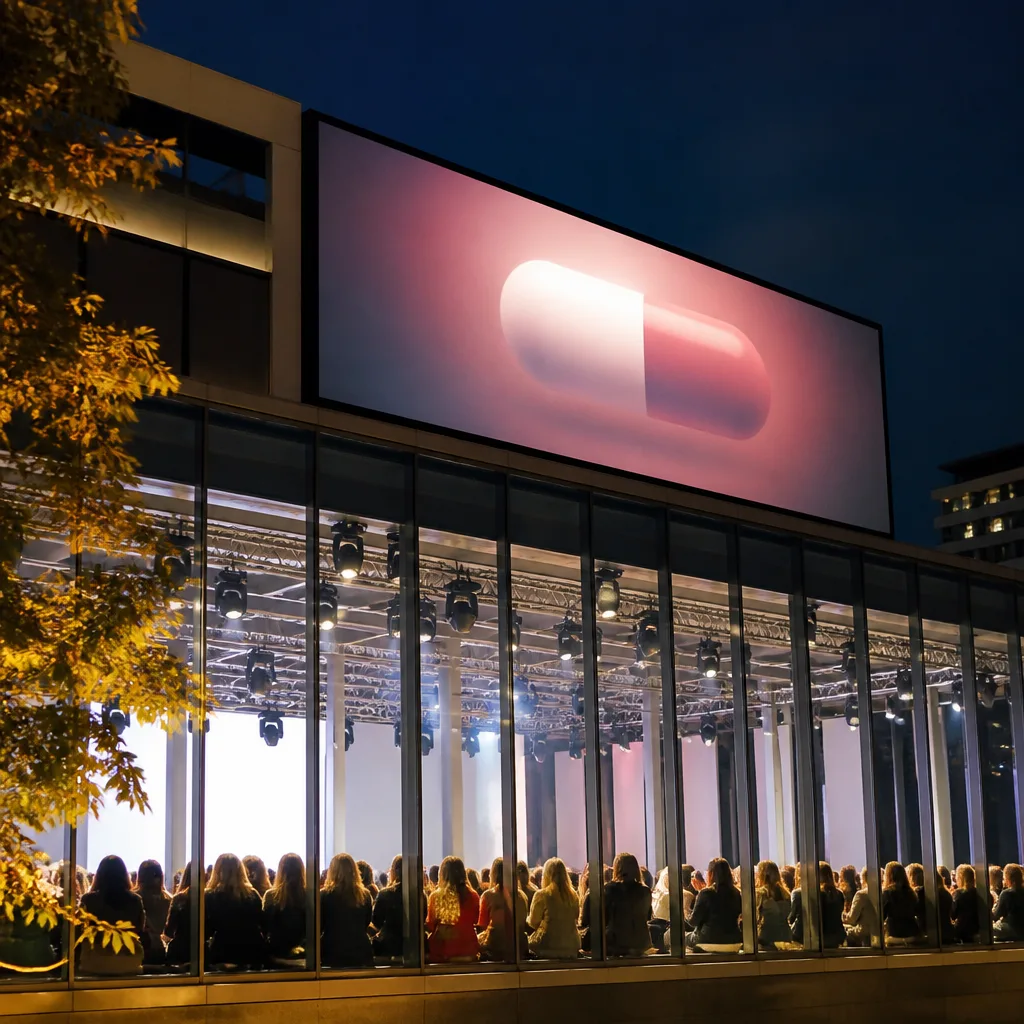
The fashion spectacle Vogue World in Milan on Tuesday night included high‑profile runway appearances by Gigi Hadid and Jennifer Lopez, but it was the event’s commercial partners that have provoked the most discussion. Among the names listed in the credits was US pharmaceutical company Eli Lilly, which manufactures widely used weight‑loss medicines including Mounjaro and the oral drug Foundayo.
Critics warn of harmful messaging
Eating‑disorder charities, academics and public health advocates have reacted sharply to the partnership, which they say risks framing prescription medication as an aspirational lifestyle choice and normalising medicalised weight loss in the context of fashion and celebrity culture.
Those concerns are rooted in longstanding debates about the fashion industry’s promotion of thinness. Critics say that pairing fashion content with a company best known for weight‑loss medicines intensifies pressure on audiences already exposed to narrow body ideals.
“For an audience already exposed to intense appearance pressures, that can normalise the idea that changing your body medically is simply another beauty or wellness choice,”
The quote above, from Charlotte Markey, a professor of psychology at Rutgers University and an author on body‑image issues, encapsulates the alarm among specialists who study the psychological effects of media representation.
Wider partnership pattern and public concern
It is not an isolated association. Eli Lilly also featured as a sponsor at the 2025 Vogue World in Hollywood and supported the livestream of this year’s Met Gala, which included promotional material involving the actor Patrick Schwarzenegger and the fashion label Public School. Although organisers did not explicitly link any particular drug to the events, the repeated presence of a pharmaceutical firm prominently associated with weight‑loss treatments has prompted sharper scrutiny.
Charities working with people affected by eating disorders argue that the combination of glamorous, celebrity‑led fashion events and a drugmaker focused on weight reduction risks sending an unsafe message, especially to younger viewers. Academic commentators warn that the partnership could implicitly suggest that pharmaceutical interventions are a routine and desirable means to attain beauty ideals promoted on the catwalk.
- Event: Vogue World, Milan (fifth iteration, overseen by Anna Wintour)
- Sponsor: Eli Lilly (maker of Mounjaro and Foundayo)
- Public reaction: Concern from eating‑disorder charities and academics about normalising medicalised weight loss
There are also questions for media outlets about the ethics of accepting sponsorship from companies whose products touch on sensitive public‑health issues. Critics say publishers should consider the broader cultural and psychological impact of such commercial relationships, not just the immediate financial or promotional benefits.
Industry response and complexity
Organisers and commercial partners commonly stress that sponsorship represents corporate support for broader cultural programming, and not an endorsement of specific treatments. The fashion industry and publishers have historically relied on brand partnerships to finance large‑scale events; however, scholars and campaigners contend that the provenance of sponsors matters when the products relate to appearance, health or body image.
Some commentators acknowledge the complexity of the situation. Pharmaceutical companies argue their products are medicines intended to treat clinical conditions, including obesity and related metabolic disorders, and should not be conflated with lifestyle marketing. Still, experts in body image and eating disorders say the optics of aligning medicines that alter body weight with glamorous cultural events is fraught.
Public health professionals caution that normalising medical interventions as an element of lifestyle or beauty messaging can blur lines between clinical care and consumer culture, potentially undermining efforts to promote healthy, evidence‑based approaches to weight and wellbeing.
As fashion events continue to court high‑value corporate partners, the debate over where publishers draw the line between commercial revenue and social responsibility is likely to persist. For media organisations and event organisers, the episode highlights the need for clear policies on sponsorships that touch on health, body image and vulnerable audiences.