
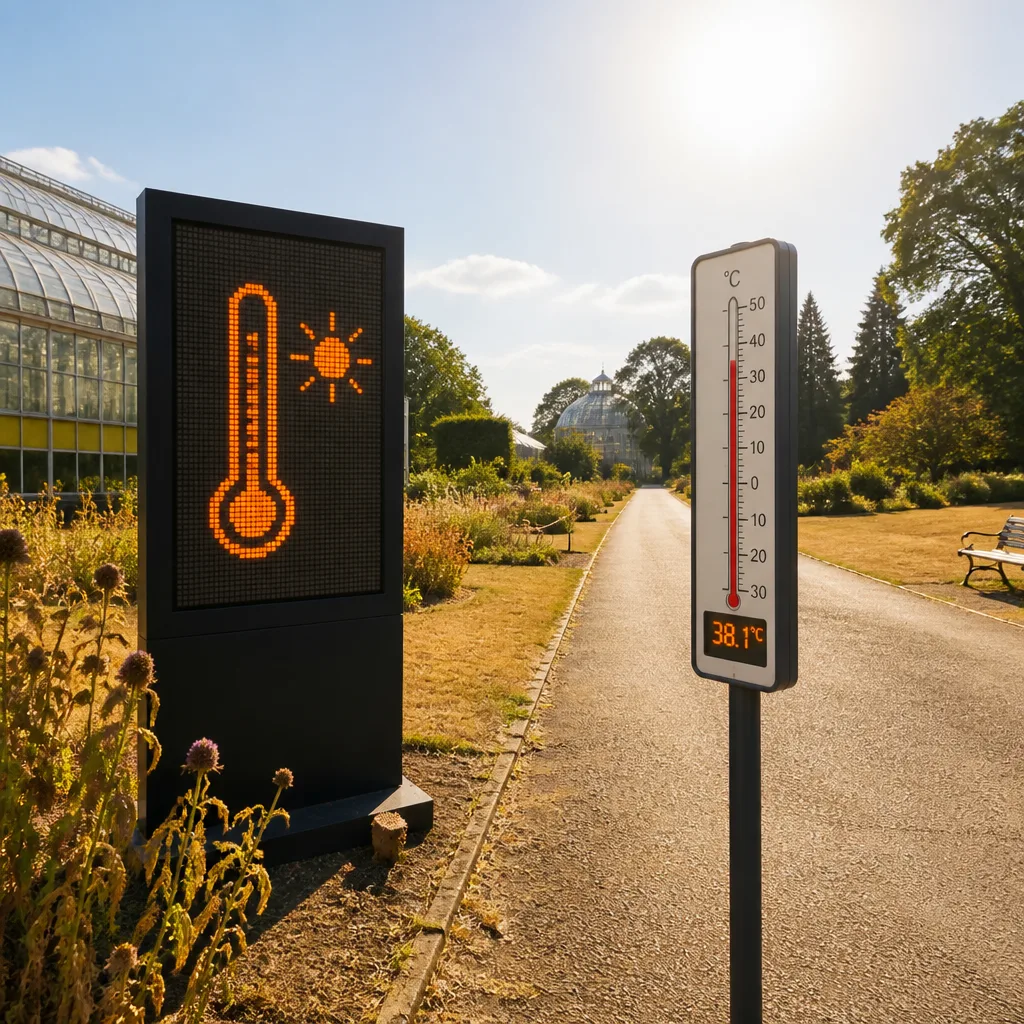
The UK Health Security Agency (UKHSA) has extended an amber heat-health alert for large swathes of England after temperatures provisionally reached 38.1C at Kew Gardens in London on Thursday. The move comes amid warnings that the intense heat may raise the risk of serious illness for vulnerable groups and as the country endures an unusually prolonged run of high temperatures.
Who is affected and for how long
The amber alert has been prolonged until 10am on Saturday for the East Midlands, West Midlands, South East, South West, London and the East of England. All other English regions currently covered by the alert remain under an amber warning until 9pm on Friday.
UKHSA officials emphasised that high temperatures can aggravate pre-existing conditions and place older adults and people with underlying health problems at particular risk. They urged the public and health services to take precautions to limit harm.
“Drinking plenty of water, avoiding the sun during the hottest part of the day and keeping indoor spaces cool are all things you can do to keep yourself and others safe,”
The guidance, issued by Polly Ashmore, acting consultant in public health at UKHSA, accompanies practical advice for limiting heat exposure, including staying hydrated and checking on relatives, friends and neighbours who may be less able to manage high temperatures.
Records and context
Temperatures at Kew Gardens were recorded provisionally at 38.1C, marking the second occasion this year that a UK site has reached at least 38C. Meteorological monitoring for 2026 shows an unusual cluster of very hot days: it is the first year on record to have had three separate days at or above 37C and the first to register four days of 36C or above. The period also forms part of the fifth named heatwave of the summer.
Scientists and officials link the pattern of more frequent and intense heat events to climate change. UKHSA’s alert and public guidance form part of a broader adaptation and preparedness response as health and social care services face increased demand during hot spells.
What people and services are advised to do
Officials have urged both the public and services to take straightforward measures to reduce heat-related harm. Key actions include:
- Stay hydrated by regularly drinking water;
- Avoid spending time outdoors during the hottest hours of the day;
- Keep indoor environments cool by shading windows and ventilating during cooler periods;
- Check on older or clinically vulnerable people to ensure they are coping;
- Health and social care providers should ensure contingency plans and staffing take the heat risk into account.
| Region | Alert end time |
|---|---|
| East Midlands, West Midlands, South East, South West, London, East of England | 10:00, Saturday |
| All other English regions under alert | 21:00, Friday |
Public health authorities stress that the temperature figure at Kew is provisional pending verification. While single-site readings are informative, broader impact assessments rely on confirmed data across multiple observing stations and on hospital presentation statistics for heat-related illness.
Longer term, the UK continues to confront the consequences of an increasingly warm climate: drought, wildfires and repeated heatwaves have placed pressure on water supplies, emergency services and health systems this summer. Officials say preparedness and simple personal precautions reduce risk, but also note that systemic planning for heat — across housing, social care and emergency services — is essential as extreme temperature episodes become more frequent.
For now, the advice is clear: vulnerable individuals should be checked on; everyone should remain hydrated and avoid the sun at the hottest times of day; and health and social care services should maintain heightened readiness while the amber alert remains in force.














