Courtney Love has disclosed that she faced a life‑threatening health crisis in 2019, telling followers she was repeatedly hospitalised, lost substantial weight and was warned by doctors that she was “going to die”. The 62‑year‑old singer said she has since recovered and is now “healthy”, but did not provide clinical confirmation of the underlying condition.
What Love has said
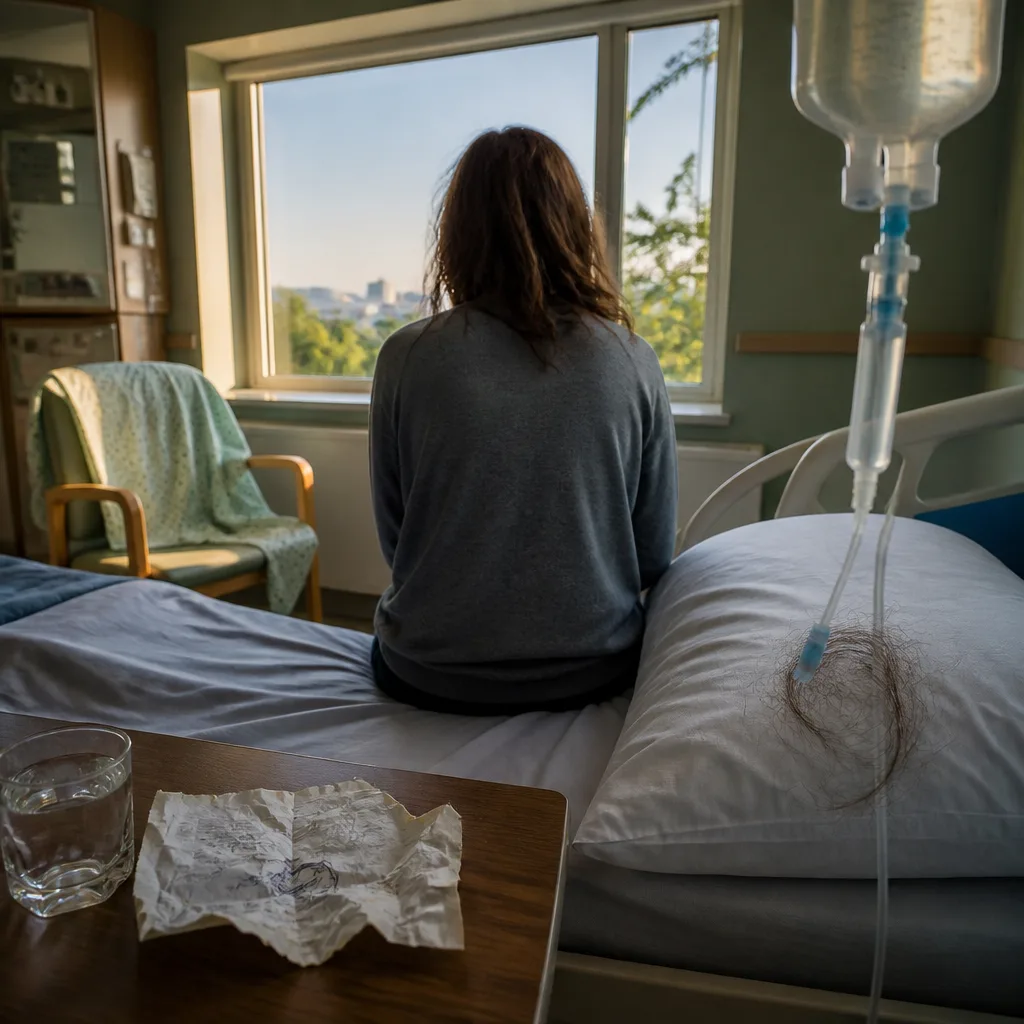
In a video posted to Instagram on 14 August, Love described her health problems during a trip to England in 2019, saying her “body just exploded” and that she was in hospital “a lot”. She said she lost all her hair and fell to about 100 pounds. She added that she was told she was going to die but did not accept that prognosis.
“I went to England in 2019, and when I went there, my body just exploded … I almost died. I lost all my hair, I was about 100 pounds, and they told me I was going to die.”
Love also said the experience informed an album she believed might be her last. She emphasised she is now well and that her illness was not something she wanted to make public while it was ongoing.
Prior disclosures and medical context
Love has previously said she “almost died” in 2018 from anaemia, a condition in which the blood lacks enough healthy red blood cells or haemoglobin to carry adequate oxygen to the body’s tissues. The Mayo Clinic describes common symptoms of anaemia including fatigue, weakness and shortness of breath.
Her public comments do not include a medical diagnosis for the 2019 episode, nor details of the tests or treatments she received. As such, it is not possible from her account to determine whether the episode was a severe anaemia relapse, a different haematological disorder, an autoimmune condition, a drug‑induced problem, an infection or another cause. The singer said only that she was “mostly” in hospital while completing the album she now plans to release.
- Age: 62
- Timeline: illness described during a 2019 trip to England; previously said to have “almost died” in 2018/2019
- Previous disclosure: in 2021 Love referenced a near‑fatal episode of anaemia
Limits of public accounts and what clinicians say
Patient accounts are important for understanding lived experience, but they often lack the clinical detail necessary to establish cause and prognosis. Without hospital records, laboratory results or clinician statements, it is not possible to verify whether Love’s symptoms were attributable to anaemia or another condition.
Peer‑reviewed literature shows that severe anaemia can, in some cases, be life‑threatening and may present with hair loss, weight loss and profound weakness, especially if associated with chronic disease, nutritional deficiency, blood loss or haemolysis. However, hair loss and weight loss are nonspecific and can stem from many causes, including stress, medications, endocrine disorders and severe systemic illness. Distinguishing correlation from causation requires clinical evaluation and testing.
Love’s statement that she is now “healthy” is consistent with many recoveries from serious illness, but it does not substitute for clinical detail about residual effects or ongoing monitoring. The singer has not provided a date for hospital discharge, names of treating clinicians or details of any follow‑up care.
She has also said the experience prompted artistic work: the new album she described in the Instagram video was created largely while she was ill and, she said, was intended as the record she always wanted to make. No release date or title has been announced.
Implications for public health reporting
High‑profile disclosures about serious illness can raise awareness of medical conditions and the importance of timely care. At the same time, they highlight the difficulties of drawing firm conclusions from personal testimony without corroborating clinical information. Journalists and clinicians alike must balance respect for privacy with the public’s interest in understanding health risks and recovery trajectories.
Readers seeking more information about anaemia and its symptoms can consult authoritative sources such as the Mayo Clinic. Those with concerning symptoms should seek assessment from their own healthcare provider.