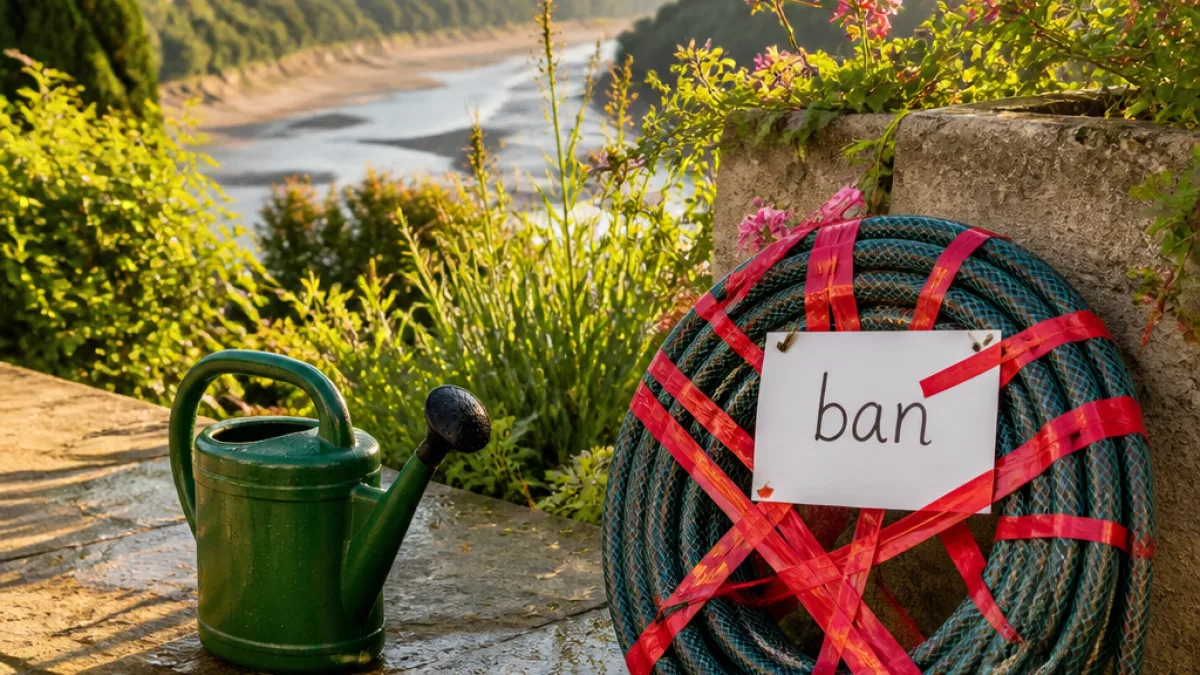
Restrictions begin as summer heat and low river levels bite
Residents across Bristol woke to a new reality on Thursday morning as a temporary restriction on the use of hosepipes came into force. The measure, introduced by the local water company after a prolonged period of high temperatures and repeated heatwaves, is intended to preserve water supplies drawn from the River Severn, a key source for the city and the wider region.
"the ban came into force at midnight this morning"
The move affects more than 1.2 million customers supplied by Bristol Water, who must adapt to changes in everyday habits such as garden watering and car washing. The company has set out a list of what customers can and cannot do while the ban is in place, together with practical advice on conserving water at home.
What is allowed, what is not
To help households plan ahead, here are the headline activities permitted and those prohibited under the restriction:
- Allowed: watering plants with a watering can; washing a car using a sponge; using household appliances such as washing machines and dishwashers; showering and brushing teeth; filling a small paddling pool using a bucket; using a water butt or non-mains source with a hosepipe.
- Not allowed: using a hosepipe to water the garden; using a hosepipe to wash a vehicle; filling a swimming or paddling pool with a hosepipe; washing driveways; cleaning walls and windows of a home using a hosepipe.
Bristol Water stresses there are exemptions for particular customers. Those registered on the Priority Services Register, customers on the WaterSure Plus tariff, and some Blue Badge holders will retain the ability to use hosepipes where necessary. The company recommends customers check its guidance for a full list of exemptions and conditions.
Practical advice for households and small businesses
Alongside the restrictions, Bristol Water has issued straightforward tips to reduce demand. Households are encouraged to fix leaks — a dripping tap can waste up to 15 litres a day — and to shave a few minutes off shower times. Switching from baths to showers, running dishwashers and washing machines only when full and turning the tap off while brushing teeth are among the measures highlighted.
Those with gardens are advised to collect rainwater in a water butt for later use and to use watering cans rather than hoses. For small businesses that rely on external cleaning, landscapers and community groups organising outdoor events, the ban is likely to require adjustments to routines and extra planning to avoid breaches.
| Item | Guidance |
|---|---|
| Population affected | 1.2 million customers |
| Primary reason | Prolonged high temperatures and low river levels in the River Severn catchment |
| Key exemptions | Customers on Priority Services Register, WaterSure Plus tariff, some Blue Badge holders |
Community organisations and voluntary groups organising outdoor activities should also check whether their plans will be affected; filling paddling pools or using hosepipes for events will not be permitted. For those whose livelihoods depend on landscaping or external cleaning, the company’s guidance suggests alternatives such as hand-washing with a bucket.
Local impact and next steps
Residents across neighbourhoods from the city centre to the suburbs will need to adapt their routines immediately. The restriction is a reminder of the pressure that sustained heat places on local water resources and the reliance many communities have on the River Severn. While the ban is framed as a temporary emergency measure, its introduction after a string of heatwaves is likely to prompt renewed discussion about long-term water resilience in the South West.
Bristol Water has published full details on its website, including the precise list of exemptions and a set of water-saving tips. Customers are asked to consult the company’s guidance before taking any action that might contravene the ban.
For now, households can take basic steps that together will relieve pressure on supplies: fix leaks, reduce shower times, and save water in buckets and butts. Simple changes, the company says, can make a measurable difference while the restriction remains in place.