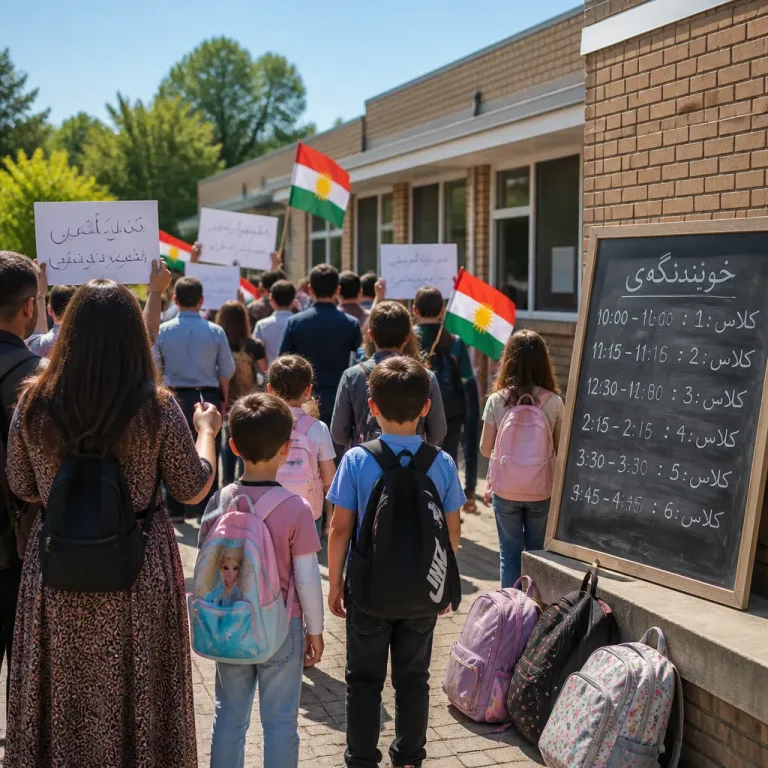
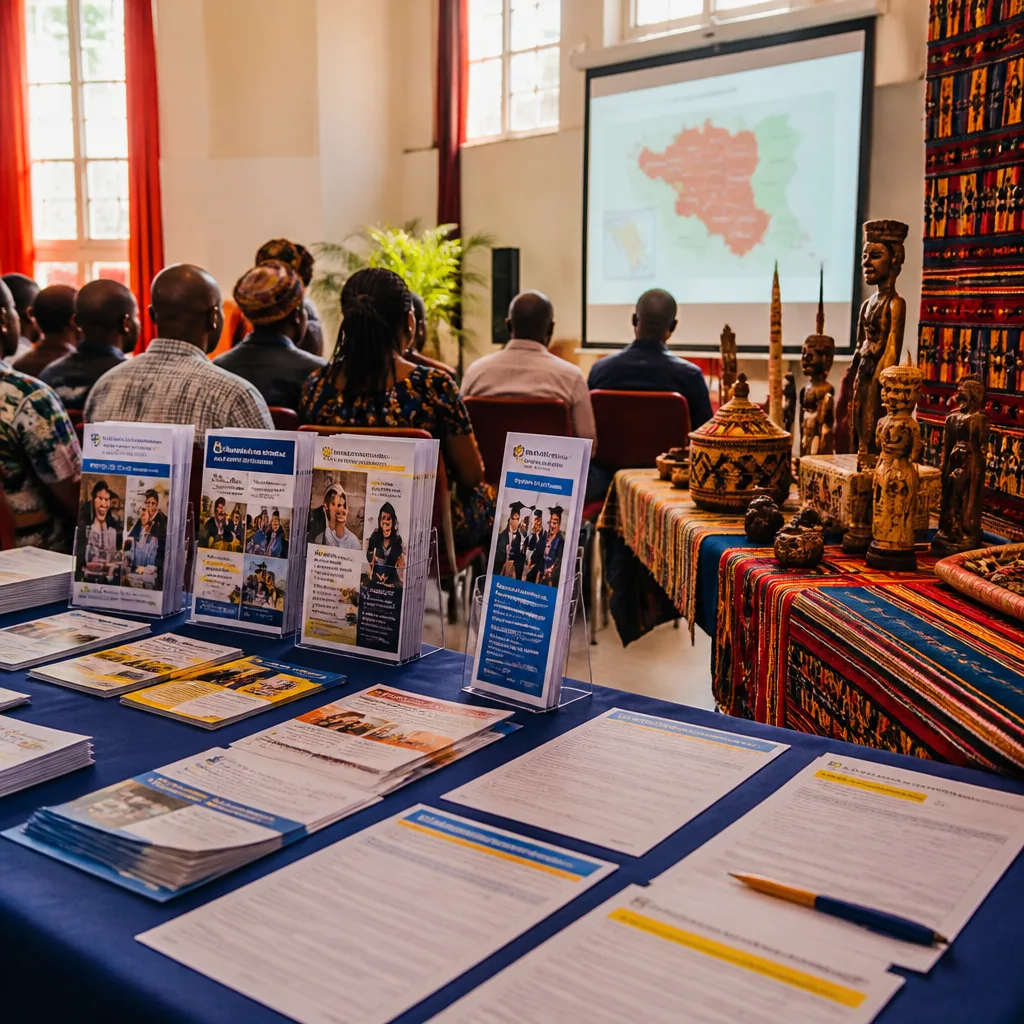
The newly established Bajju UK and Europe Association has announced plans to create an educational trust that will provide scholarships for less privileged children in Bajju communities in Southern Kaduna, Nigeria, the organisation said at its formal launch in Manchester.
The association was launched at Stretford Public Hall, Chester Road, Stretford, Manchester, where leaders set out a broader development agenda combining education, infrastructure and cultural preservation. The initiative is presented as a way for Bajju people living in the United Kingdom and Europe to pool resources and expertise to support their ancestral communities.
Scholarships at the centre of development plans
At the launch, the association’s president, Nathaniel James, described the educational trust as one of the organisation’s primary priorities. He said the trust will “offer a scholarship to less privileged children,” signalling a move from ad hoc family assistance towards more structured, community-wide support.
“One of the things that we want to do is we want to establish an educational trust… Now, this is supposed to offer a scholarship to less privileged children.”
The association’s leaders framed the trust as the first step in a staged approach to development. Members said they plan to begin with projects within the organisation’s current capacity and then seek government partnership where interventions exceed their means.
From diaspora goodwill to organised action
The chairman of the launch planning committee, Jummai Hamza, told attendees the association was created because the diaspora community possesses skills and resources that could be more effectively deployed. She urged members to move beyond informal support and co-ordinate efforts to deliver tangible improvements back home.
“So we want to advance. We want to develop. The government alone cannot do much for us. We have so much expertise amongst us in different spheres of society… We will start, and then we will project it, and the government will see where we can’t go further, and they will step in and help us.”
Ms Hamza emphasised that the group intends to act pragmatically, beginning with achievable interventions and scaling up as resources and partnerships permit. She framed this approach as both realistic and urgent, noting wider global change as a spur to action.
Priorities and early strategy
Leaders at the launch identified three interlocking priorities for the association: education, infrastructure and cultural preservation. While details on timelines, fundraising targets and selection criteria for scholarships were not disclosed at the event, the organisation signalled that collective resource mobilisation would replace reliance on individual remittances to relatives.
- Education: Establish an educational trust to award scholarships to less privileged children.
- Infrastructure: Support projects in hometown communities, partnering with government where necessary.
- Cultural preservation: Promote and protect Bajju cultural heritage alongside development work.
| Priority | Immediate focus |
|---|---|
| Education | Set up trust and begin scholarship disbursement |
| Infrastructure | Identify small-scale projects to start within capacity |
| Cultural preservation | Develop programmes to safeguard heritage |
Speakers suggested the trust will allow the diaspora to channel funds collectively and transparently, potentially making it easier to attract matching support from public bodies or NGOs where projects require larger investment. They argued that a coordinated approach would allow the Bajju community to make a more measurable impact than scattered individual efforts.
What this means for pupils, parents and teachers
For pupils and parents in Southern Kaduna, a formally constituted scholarship trust could increase access to schooling for children who might otherwise be unable to afford fees, books or uniforms. For teachers and local education authorities, diaspora-backed funding can provide resources, but may also raise questions about prioritisation and sustainability if projects depend on overseas donations.
Association organisers said they will begin with projects they can fund directly and then approach government and other partners where larger interventions are needed. The launch in Manchester marks the start of what members describe as a long-term commitment to development and cultural preservation in their home communities.
The association’s public statements so far outline intent and priorities; details on governance, fundraising targets and the timeline for scholarship awards remain to be published.