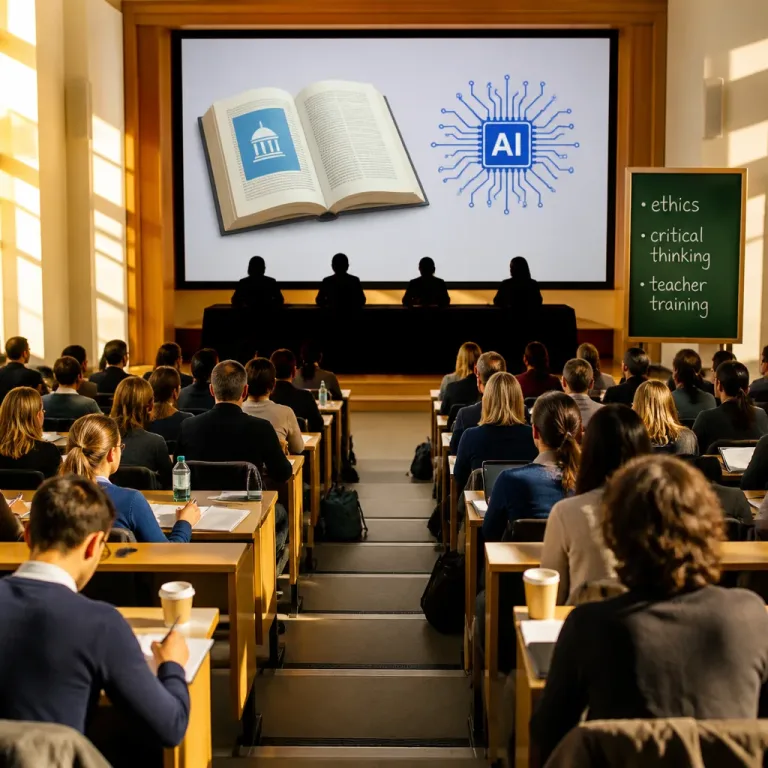
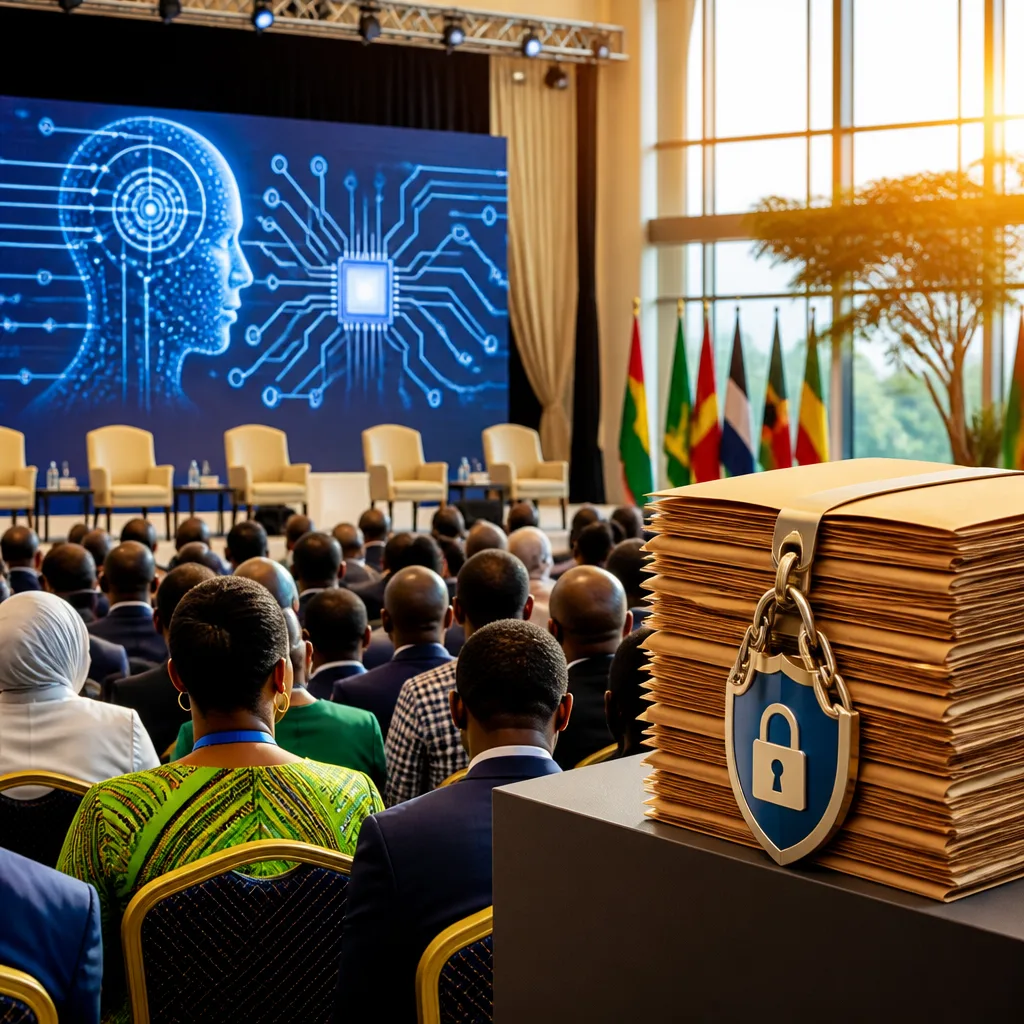
Assessment authorities and education officials attending the 42nd annual conference of the Association for Educational Assessment in Africa (AEAA) in Arusha have issued a clear caution: artificial intelligence must not be allowed to decide students’ academic destinies.
Human judgement must remain central, delegates say
Speaking at the four-day meeting, the Deputy Permanent Secretary in Tanzania’s Ministry of Education, Science and Technology, Dr Hussein Mohamed Omar, urged that AI serve as an aid to professionals rather than a substitute for their expertise. He warned of risks to the credibility and security of examination systems if the technology is adopted without strong ethical safeguards and oversight.
"Let us use artificial intelligence to strengthen professional judgement, not to hand over that judgement to AI. Technology should support education professionals and examiners, but should not replace them,"
Dr Omar highlighted limitations of current AI tools in making nuanced, context-sensitive decisions about assessment content. He said automated systems were ill-equipped to determine whether an examination question was culturally appropriate, fair to learners from diverse backgrounds, or tailored for pupils with special educational needs.
Conference focus: rethinking assessment in the age of AI
The AEAA meeting, hosted by the National Examinations Council of Tanzania (NECTA), brought together assessment specialists, exam body officials and education ministry representatives from across the continent to consider how assessment systems should evolve alongside rapid technological change.
Delegates emphasised a range of protections needed before wider use of AI in examinations, including:
- robust cybersecurity to prevent breaches and malpractice;
- data protection measures governing learner information;
- examination confidentiality and procedural safeguards;
- professional ethics and clear lines of accountability for decisions involving automated tools.
Speakers warned that without such measures, AI could inadvertently exacerbate disparities between richer and poorer countries, and between well-resourced and under-resourced schools, because of uneven access to reliable technology and expertise.
Scale and governance
The conference drew more than 350 delegates representing 28 countries, and provided a forum for sharing approaches to assessment that combine technological innovation with institutional safeguards. During the event, Tanzania formally took on the AEAA presidency for 2026/27, with NECTA Executive Secretary Prof Said Mohamed assuming the role.
| Item | Figure |
|---|---|
| Length of conference | Four days |
| Delegates | >350 |
| Countries represented | 28 |
Speakers argued that governance, institutional capacity and locally appropriate ethical frameworks must accompany any technical changes to assessment practice. The point was repeatedly made that technology quality and governance vary widely across the continent, and reforms that might work in one jurisdiction could introduce harm in another.
Implications for policymakers and exam authorities
For ministers, examination boards and school leaders, the AEAA’s deliberations underline difficult trade-offs. AI offers potential efficiency gains in marking and analytic insight into learner performance, but those benefits come with risks to reliability and fairness unless oversight is strengthened.
Practical consequences discussed at the conference included the need to revise professional training for examiners, invest in secure technical infrastructures, and develop regional standards for the ethical use of automated tools in assessment.
As countries explore digital transformation in education, the message from Arusha is clear: harness the advantages of AI, but enshrine human judgement, accountability and equity at the heart of exam systems to protect students’ futures.