Advocates across the United States have sounded an alarm over a cluster of policies they say are undermining the safety, stability and educational prospects of Black and Brown pupils as the new school year begins.
Briefing highlights three connected threats
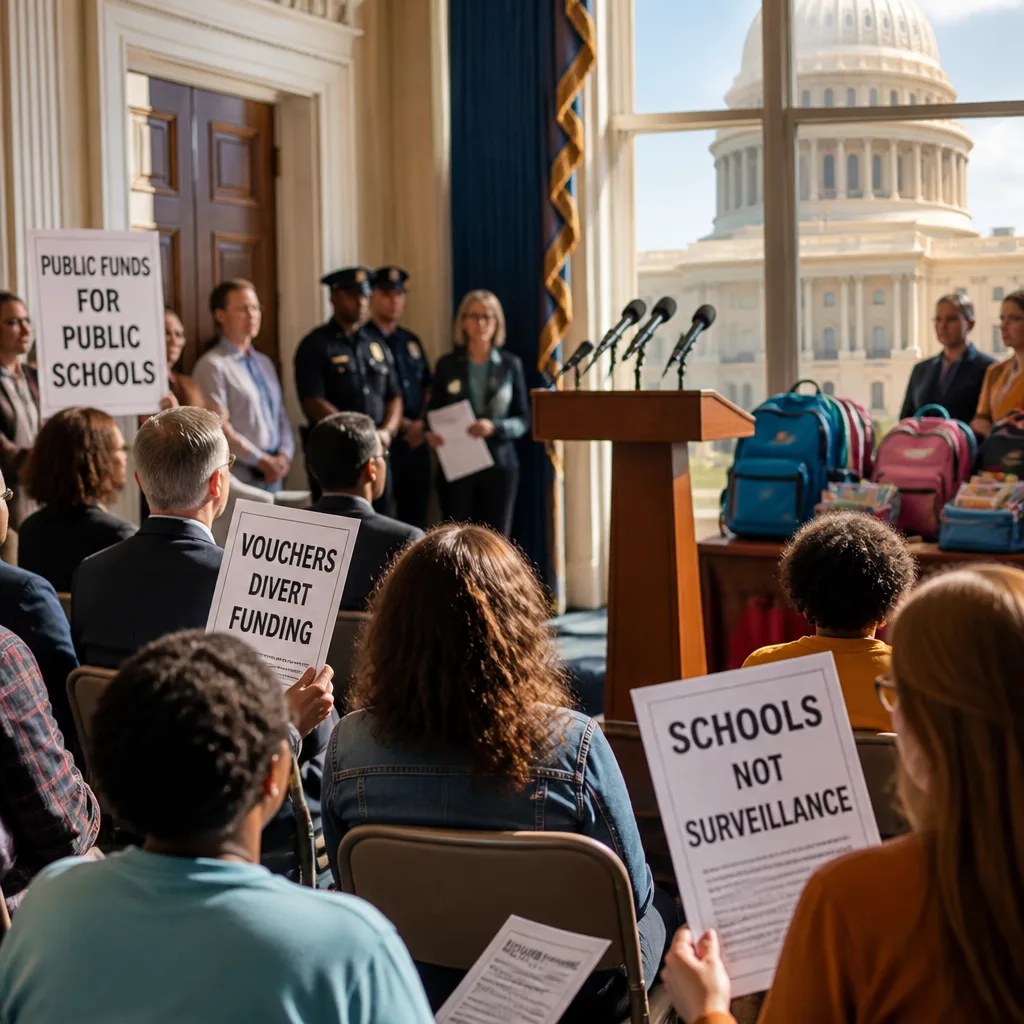
On 13 August in Washington, a briefing titled “The State of Black and Brown Education” was convened by four national organisations — Advancement Project, the Alliance for Educational Justice, EdTrust and the Alliance to Reclaim Our Schools — bringing together movement leaders and civil rights attorneys to set out what they described as interlocking risks facing children and communities.
Speakers at the event pinpointed three central concerns: the presence and reach of immigration enforcement near schools, the expansion of public funding into alternative schooling through vouchers and other privatisation mechanisms, and the continued use of policing and surveillance in educational settings. The groups argued these trends are not separate problems but cumulative pressures that disproportionately hit Black and Brown students.
What advocates said
The briefing framed the issues as part of a single, systemic challenge to equity in education and community wellbeing. Organisers urged families, educators and local leaders to challenge policies that place children at risk.
"Black and brown students are being asked to endure the fear of immigration enforcement showing up near their bus stops and classrooms while at the same time witnessing how public dollars are being diverted from the schools that serve them and instead invested in more policing, surveillance and inaccessible school options. These are not separate crises, nor are they race-neutral. Immigrant justice, education equity, and the police-free schools' movement are all connected. To parents, students and school leaders: stay informed, speak up when local officials promote policies that put our children at risk. Silence is not an option when the safety and education of our students are on the line," said Adaku Onyeka-Crawford, Opportunity to Learn Program Director at Advancement Project.
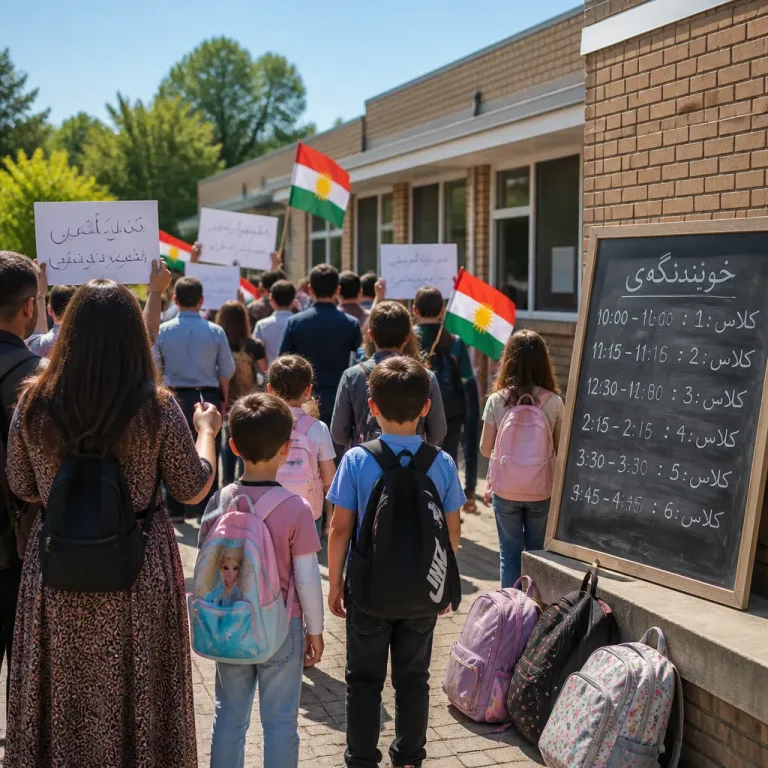
The briefing came as communities continue to campaign to keep immigration authorities away from schools and surrounding neighbourhoods, to fight school closures and to urge governors and policymakers not to participate in federal voucher programmes, which advocates say divert public funds from traditional public schools into largely unregulated private providers.
Practical concerns in classrooms and communities
Speakers underlined the immediate effects these policies have on pupils and families: fear about immigration enforcement can deter attendance, limit parental engagement and create an atmosphere of anxiety that affects learning. At the same time, reallocating resources to vouchers or to policing and surveillance can leave schools that serve the most disadvantaged students with diminished staffing, programmes and support.
Advocates also highlighted the nationwide push by students and parents to remove police from school campuses and replace punitive security measures with investments in counsellors, mental-health support and restorative practices that, they say, better promote actual safety and educational attainment.
- Event: "The State of Black and Brown Education" briefing (13 August, Washington)
- Organisers: Advancement Project; Alliance for Educational Justice; EdTrust; Alliance to Reclaim Our Schools
- Main issues: immigration enforcement near schools; school privatisation and voucher programmes; policing and surveillance in schools
| Organisation | Role at briefing |
|---|---|
| Advancement Project | Lead convenor; speaker Adaku Onyeka-Crawford quoted |
| Alliance for Educational Justice | Co-convenor |
| EdTrust | Co-convenor |
| Alliance to Reclaim Our Schools | Co-convenor |
Those attending urged families and educators to remain vigilant and actively oppose local policies they judge harmful. The message at the briefing was clear: defence of immigrant justice, resisting public-fund diversion to private schooling, and campaigning for police-free schools are interconnected struggles in pursuit of equity.
For educators and policy-makers in the UK, the briefing adds to an international chorus calling for careful scrutiny of how immigration enforcement, funding choices and school security measures affect learners from marginalised communities. The advocates’ plea to keep schools as places of learning and sanctuary rather than surveillance and exclusion is likely to resonate with teachers, parents and campaigners beyond the United States.