Inspections find unlicensed clinics, but follow-up action criticised
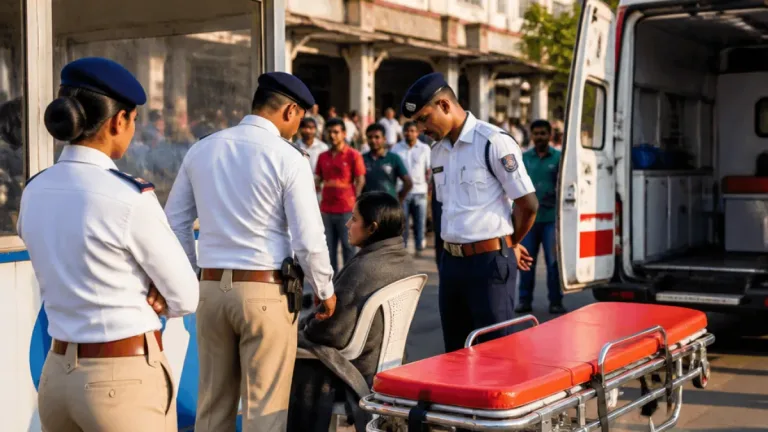
Warangal officials from the Telangana Medical Council (TGMC), accompanied by police, carried out inspections of medical outlets in Karimabad, Kazipet, Shivanagar, Kirthinagar, Oorugonda, Ursu and Fort Warangal on August 6 and identified around 16 persons alleged to be practising medicine without valid qualifications or permissions, The Hans India reported.
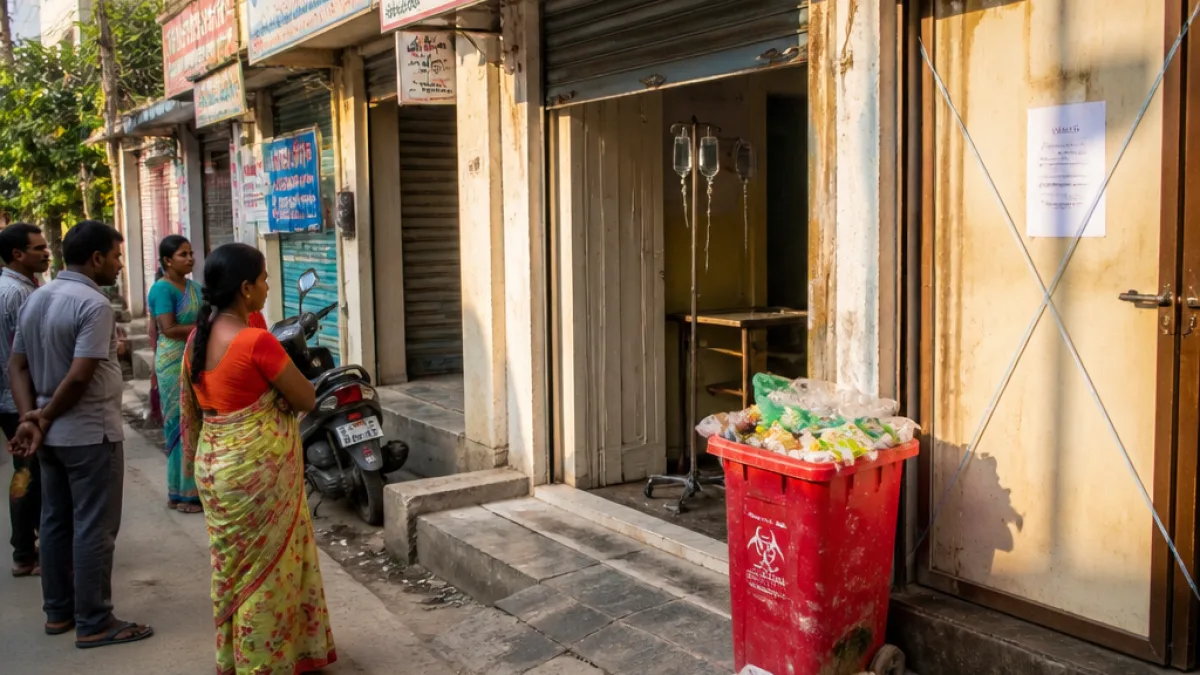
During the raids, authorities reportedly found multiple serious violations, including unlicensed clinics, inpatient facilities being operated as first-aid centres, administration of saline drips and steroid injections at uncertified premises, and improper biomedical-waste disposal. Complaints were filed at local police stations following the inspections.
Questions are being raised over the effectiveness of the crackdown on unqualified medical practitioners in Warangal, with some clinics reportedly reopening soon after police cases were registered.
Residents in affected neighbourhoods have alleged that several of the clinics resumed operations within a day of the raids, and questioned why establishments were not sealed and medical equipment seized where necessary. They warned that enforcement limited to single-day inspections risks becoming a cosmetic exercise unless accompanied by sustained monitoring and stronger inter-departmental action.
- Inspections conducted: Karimabad, Kazipet, Shivanagar, Kirthinagar, Oorugonda, Ursu, Fort Warangal (inspection date: August 6)
- Persons identified: Around 16 alleged to be practising without qualifications
- Reported violations: Unlicensed clinics; inpatient care run as first-aid centres; use of saline drips and steroid injections; improper biomedical-waste disposal
Local concern over patient safety and regulatory follow-up
The complaints focus not only on the initial discovery of irregularities but on the perceived lack of decisive enforcement measures that would prevent quick resumption of services at the same outlets. Residents have urged that where prima facie evidence exists of unlawful medical practice and unsafe conditions, authorities should use statutory powers to seal non-compliant establishments, confiscate equipment being used to administer invasive treatments, and ensure proper biomedical-waste handling to reduce public health risk.
Public-health experts and civic activists in Warangal have often emphasised that unqualified practice is a persistent concern in many urban and peri-urban pockets. Unregulated injections, intravenous fluids and improper disposal of clinical waste can lead to direct harm to patients and increased community health risks, they say. While the TGMC has statutory authority to regulate medical practice, effective enforcement ordinarily requires coordinated action with local police, municipal bodies and public-health departments.
| Area | Reported issue(s) |
|---|---|
| Karimabad | Inspected; alleged unlicensed practice |
| Kazipet | Inspected; alleged inpatient facilities operating as first-aid centres |
| Shivanagar | Inspected; alleged use of saline drips/steroid injections |
| Kirthinagar | Inspected; alleged improper biomedical-waste disposal |
| Oorugonda / Ursu / Fort Warangal | Inspected; complaints filed |
Calls for sustained monitoring and inter-departmental action
Citizens have urged a system of sustained post-raid surveillance so that action taken on paper is followed by practical steps to protect patients. They want clearer protocols for when to seal premises, how to handle medical equipment and records, and how municipal and health authorities can jointly address biomedical-waste concerns.
The episode highlights wider governance questions in Warangal as the city expands services and healthcare demand grows. Ensuring safe, qualified primary-care availability in dense neighbourhoods remains a local policy priority; residents told The Hans India that intermittent raids without continued oversight will not resolve entrenched practices.
Authorities have not publicly detailed any subsequent seizures, closures or prosecutions following the complaints filed after the August 6 inspections, according to the report. Local stakeholders say that transparent reporting of enforcement outcomes would help restore public confidence and deter repeat violations.
Further action by the TGMC, police and municipal agencies, and clear communication about follow-up measures, will be crucial to demonstrate that regulatory interventions in Warangal go beyond identification and proceed to effective, sustained enforcement.