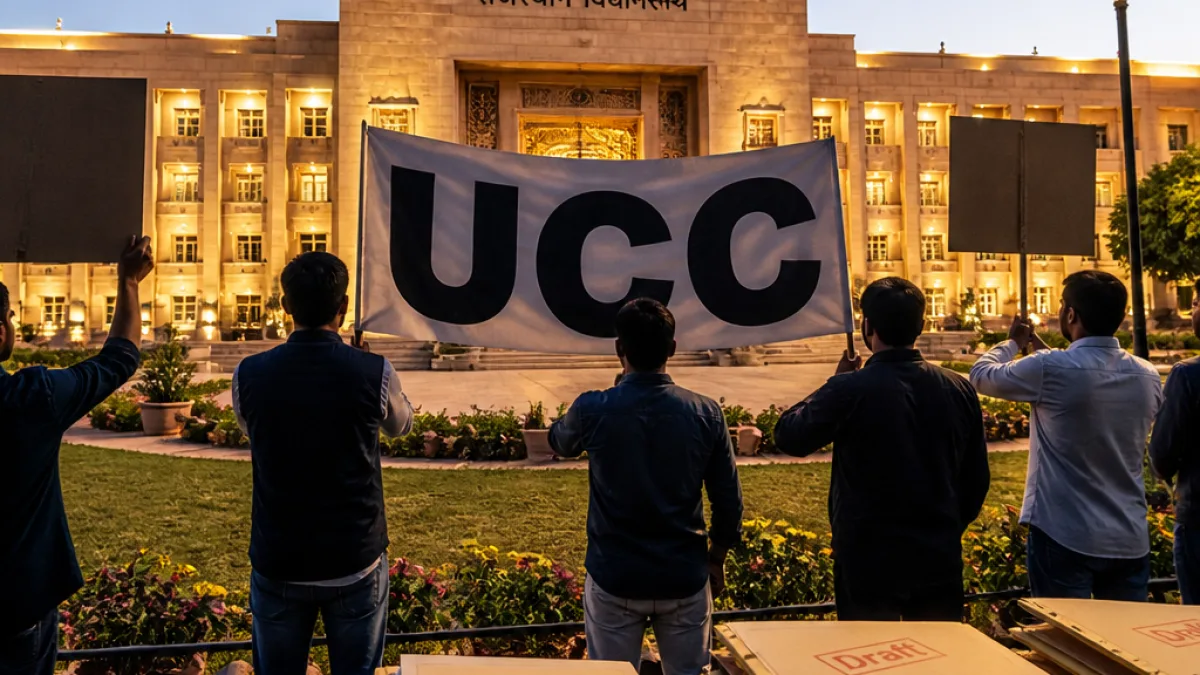
Jaipur: The Rajasthan Cabinet on Thursday approved a bill to introduce a Uniform Civil Code (UCC) in the state, proposing a ban on polygamy and making registration of marriages and divorces compulsory within 60 days, official sources reported. The government said the legislation will also require written intimation or registration of live‑in relationships.
What the bill proposes
The draft legislation seeks to establish a common legal framework for personal matters such as marriage, divorce, succession and adoption for all citizens of Rajasthan, moving away from community‑specific personal laws. Key points reported from the cabinet decision include:
- Ban on polygamy: The bill proposes to criminalise polygamous unions across religions.
- Mandatory registration: Marriages and divorces would have to be registered within 60 days of their occurrence.
- Live‑in relationships: The bill proposes mandatory registration or at least written intimation at the start and end of live‑in relationships.
- Equal property rights: Provisions in the draft aim to secure equal property rights for sons and daughters irrespective of the personal law applicable to a family.
- Exemptions: Communities listed as Scheduled Tribes and other groups whose customary rights are constitutionally protected would be outside the scope of the UCC.
The Uniform Civil Code would not apply to Scheduled Tribes and communities whose customary rights are protected under the Constitution.
Context and legal origins
The bill follows the recommendations of a high‑level committee chaired by former Supreme Court judge Ranjana Prakash Desai, which prepared a draft legislative framework for a state UCC. Desai has previously led similar committees that drafted UCC proposals in Madhya Pradesh, Uttarakhand and Gujarat, and was appointed in July to head a committee in Maharashtra to prepare a draft UCC for that state as well.
Rajasthan becomes the fifth state governed by the Bharatiya Janata Party to move towards implementing a common civil code. Uttarakhand implemented a UCC in January 2025 — the first state initiative after Independence — and Gujarat cleared comparable legislation earlier this year amid opposition protests. Goa continues to follow a common civil code originating in the colonial era.
Timing and political considerations
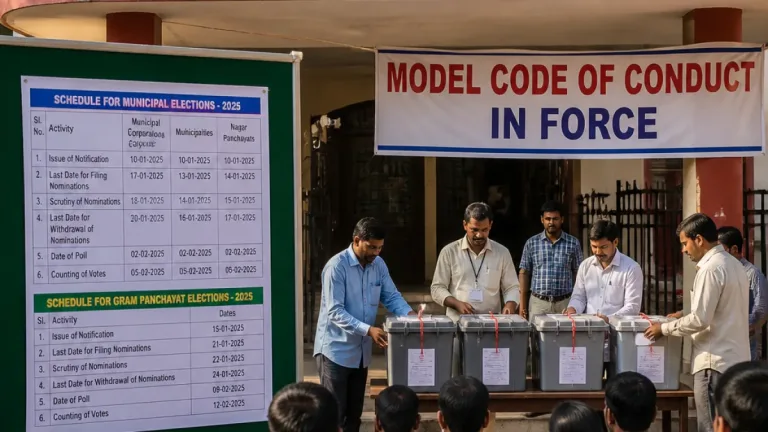
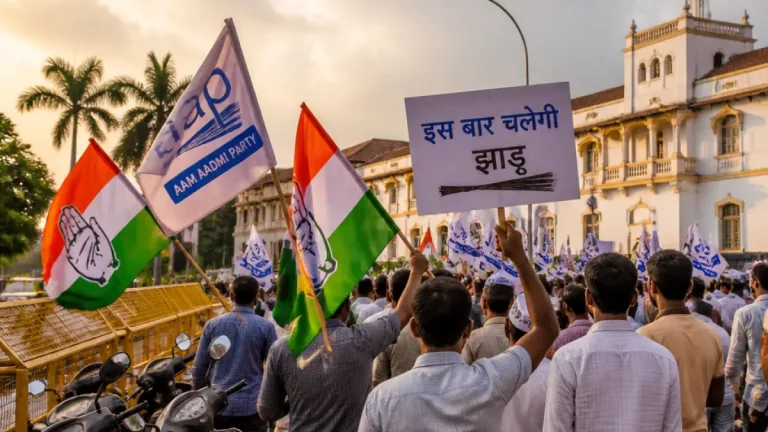
The cabinet cleared the bill just ahead of the model code of conduct being enforced for upcoming panchayat and local body polls. The government plans to introduce the measure in the Assembly during the monsoon session beginning on 20 August, officials said. The timing places the UCC squarely on the legislative agenda at a politically sensitive moment when local elections are imminent.
Implications for citizens and administration
If enacted, the law will alter how personal status matters are recorded and adjudicated in Rajasthan. Mandatory registration norms for marriages and divorces — and written intimation for live‑in relationships — will require administrative mechanisms across districts and local bodies to be expanded or reorganised to accept, verify and store such records.
Provisions for equal property rights for daughters and sons aim to harmonise inheritance outcomes across religious communities, though implementation will depend on the statutory details and court interpretations that follow. Exemptions for Scheduled Tribes and constitutionally protected customary communities indicate the government intends to preserve certain customary practices recognised under the Constitution.
Legal and social debate ahead
The UCC has long been a prominent item on the Bharatiya Janata Party's national agenda and has drawn sharp responses in other states where it has been pursued. Analysts note that a state‑level UCC will likely face legal scrutiny, public debate and political pushback on grounds of religious freedom, personal laws and cultural autonomy. The Rajasthan bill’s carve‑outs for Scheduled Tribes and protected communities may reduce some contention, but differences over religious customs and the scope of uniform rules are expected.
| Provision | What the bill seeks |
|---|---|
| Polygamy | Ban |
| Marriages/Divorces | Registration mandatory within 60 days |
| Live‑in relationships | Mandatory registration or written intimation |
| Property rights | Equal rights for sons and daughters across religions |
| Exemptions | Scheduled Tribes and constitutionally protected customary communities |
As the bill moves to the Assembly, legislators, legal experts and civil society groups in Rajasthan will scrutinise its language and likely press for clarifications on procedural safeguards, enforcement mechanisms and protections for vulnerable groups. The state’s experience will be watched closely elsewhere as more states consider comparable measures.
Meera Rathore is the Rajasthan correspondent based in Jaipur.