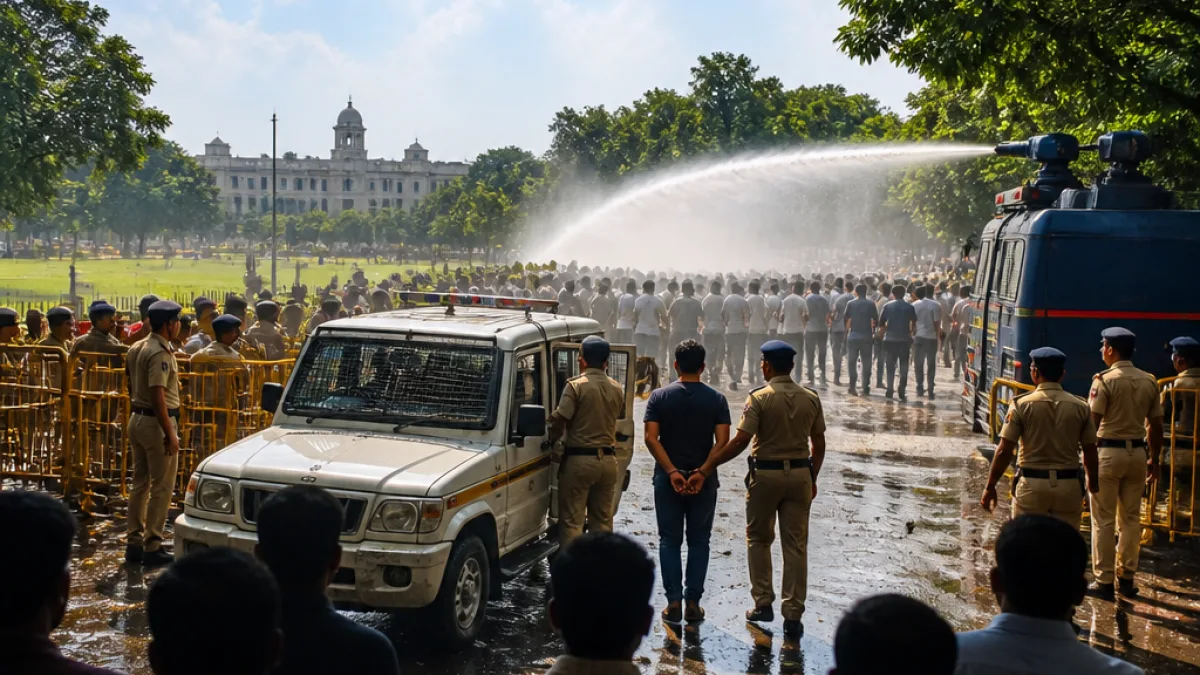
Leader of Opposition, supporters held during march against alleged NEET paper leaks
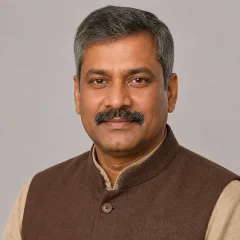
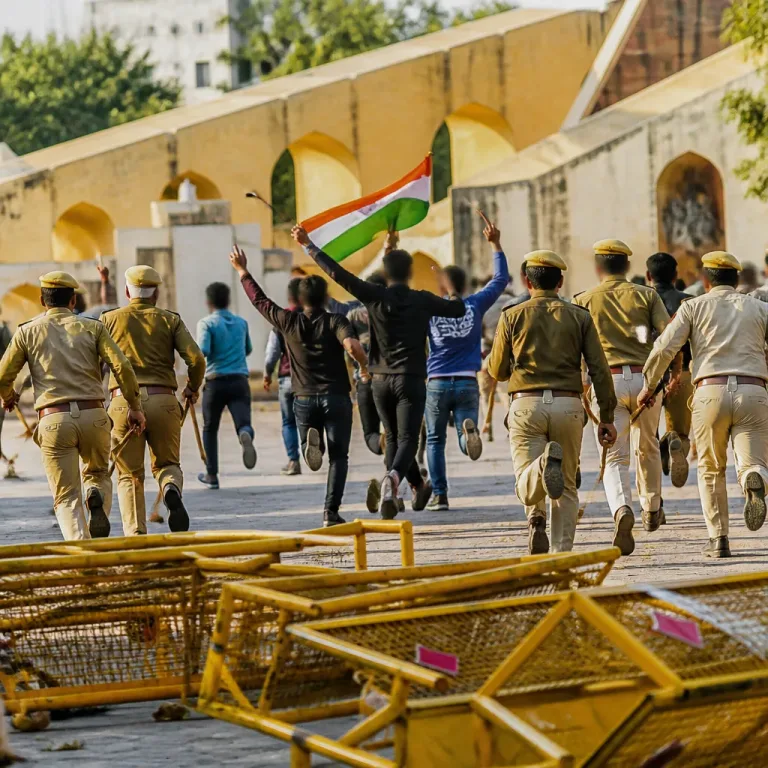
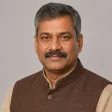
Patna witnessed a tense standoff on Wednesday when Tejashwi Yadav, Leader of Opposition in the Bihar Assembly and senior Rashtriya Janata Dal (RJD) leader, was detained while leading a protest march from Gandhi Maidan towards Lok Bhavan over the alleged National Eligibility-cum-Entrance Test (NEET) paper leaks. The arrest near the Income Tax office interrupted the RJD's planned delegation to the state secretariat amid heavy police presence.
Senior Superintendent of Police Kartikeya K. Sharma said Yadav was taken into custody near the Income Tax office and later escorted away in a police vehicle. Patna Inspector General of Police Jitendra Rana later told reporters that the police did not use force but that water cannon was employed to check the crowd as demonstrators were being prevented from proceeding further.
"The march started from Gandhi Maidan has concluded. A delegation is going to Lok Bhawan. Some of the people who were taken into custody have already left for Lok Bhawan. The police have not used force. Water cannon was used on the crowd,"
The march and subsequent detentions form part of continuing political agitation over students' protests in Bihar after allegations of NEET paper leaks. RJD leaders, workers and student supporters marched to highlight what they described as repeated examination paper leaks and to protest police action during earlier demonstrations.
Before being placed in a police van, Mr Yadav accused the government of neglecting students' future and said repeated paper leaks were pushing their prospects into darkness. The party said several workers and leaders, including RJD MP Misa Bharti, were detained during the attempt to reach Lok Bhavan.
- Place of march: Gandhi Maidan towards Lok Bhavan, Patna
- Detention point: Near Income Tax office, Patna
- Police action: Use of water cannon, detentions of leaders and party workers
Local context and implications
Patna has seen sustained unrest since students across Bihar and other States raised objections to alleged irregularities in the NEET examination process. The demonstrations have periodically drawn political parties into the public arena, turning student grievances into larger debates about governance, public examination security and youth unemployment.
For local residents and students, the immediate consequences include disruptions to traffic around central administrative locations such as Gandhi Maidan and Lok Bhavan, and heightened security measures in the city centre. For authorities, the protests pose an enforcement challenge: balancing the right to protest with maintenance of public order. The police explanation that water cannon was deployed indicates an attempt to disperse crowds without resorting to direct physical force, though such measures often draw criticism from political opponents and civil society.
| Time | Event |
|---|---|
| Wednesday (day) | March began at Gandhi Maidan towards Lok Bhavan |
| During march | Tejashwi Yadav detained near Income Tax office; water cannon used on crowd, say police |
| After detention | Detained persons escorted away; delegation reportedly proceeding to Lok Bhavan |
The protest adds to political pressure on the State government to address alleged lapses in examination administration. Opposition leaders have framed the issue as a failure of governance that threatens students' futures, while the police maintain that crowd-control measures were necessary to prevent escalation. The matter is likely to stay in public debate until concrete action on the NEET allegations or inquiry outcomes are announced.
Patna residents can expect continued political activity as the unfolding situation prompts further demonstrations, counter-claims from political parties, and responses from law enforcement. Observers say transparent investigation into the alleged NEET leaks and clear assurances on examination integrity will be pivotal to calming public concern.