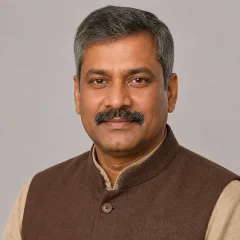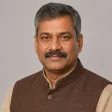
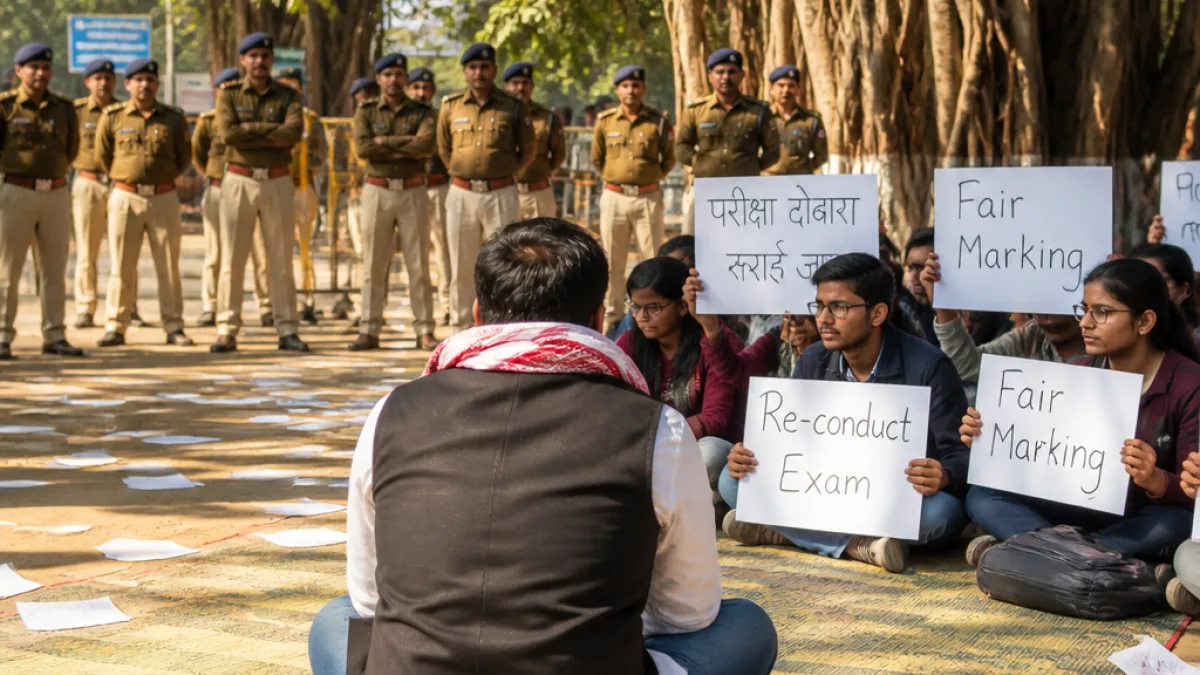
Patna: Independent MP Pappu Yadav observed a one‑day fast at Gardanibagh on Sunday, joining research scholars and aspirants of the Bihar Public Service Commission (BPSC) and Bihar Staff Selection Commission (BSSC) who are protesting alleged irregularities in the 70th BPSC examination and recent changes to teacher recruitment rules.
MP backs students, demands fresh examination
Mr Yadav, who is politically aligned with the INDIA bloc, said the 70th BPSC examination should be cancelled and held again. He accused the state government of ignoring protesters’ grievances and of allowing a system “in a mess”, citing reported question‑paper leaks and alleged marking inconsistencies.
"The 70th BPSC exam should be scrapped and re‑conducted afresh," the MP said.
Research scholars and candidates protesting at Gardanibagh have been holding demonstrations on multiple demands, including objections to new rules for assistant professor recruitment and concerns over the proposed adoption of an UPSC mains pattern in state exams. The protesters say such changes are illogical and disadvantage many aspirants.
Allegations and grievances
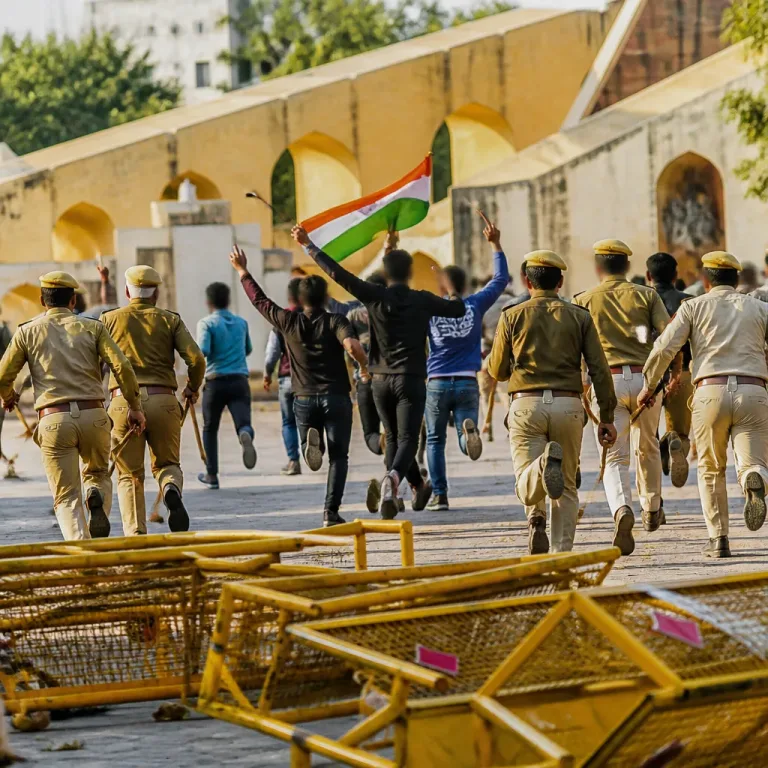
Mr Yadav repeated charges that the government accepted a leak in the 70th BPSC question paper and that such incidents have occurred previously. He also raised issues of alleged police brutality against protesting students and the arrest of some demonstrators during earlier agitation.
Another major grievance highlighted was the perceived disproportionate weightage given to English‑medium candidates in recruitment examinations, which protesters contend runs counter to University Grants Commission and National Eligibility Test norms.
Below are the principal concerns raised at the Gardanibagh protest:
- Demand to cancel and re‑conduct the 70th BPSC examination.
- Opposition to proposed recruitment rules for assistant professors.
- Alleged marking inconsistencies and repeated question‑paper leaks.
- Claims of police action against student protesters and arrests.
- Complaint that English‑language weightage disadvantages Hindi‑medium candidates.
Local impact and administrative response
The protests at Gardanibagh have intermittently drawn national attention as aspirants and academics press for transparency and fairness in state recruitment and civil services examinations. The presence of an MP at the sit‑in amplifies political pressure on the state administration and the BPSC.
There was no immediate official response from the Bihar government or the BPSC reported on Sunday. The MP said neither the Chief Minister nor the State Education Minister had responded to the protesters' demands. He also accused the central leadership of stereotyping educated youth during national addresses, repeating an allegation linked to remarks attributed to the Prime Minister.
Context and wider repercussions
Recruitment examinations in Bihar affect thousands of aspirants seeking government employment and academic positions. Accusations of paper leaks and irregularities have in the past led to re‑examinations and administrative inquiries in various states; such developments typically trigger calls for stronger invigilation, reforms to question‑setting and scrutiny of evaluation protocols.
For candidates waiting on recruitment outcomes, prolonged protests and political interventions can delay final selections and career plans, especially for those preparing for time‑sensitive posts such as assistant professors and state services.
| Issue | Claim |
|---|---|
| 70th BPSC exam | Alleged paper leak and marking inconsistencies; demand for re‑exam |
| Assistant professor recruitment | New rules opposed by research scholars |
| Language weightage | English given disproportionate advantage over Hindi |
As the agitation continues, candidates and student groups have signalled readiness for sustained protests until their demands are addressed, while political leaders have begun to take public positions on the matter. The coming days may see administrative statements, legal petitions or probe orders if allegations of leaks and irregularities are formally lodged with authorities.
The situation at Gardanibagh underlines persistent tensions around recruitment transparency in the state and the sensitivity of examination processes that shape public employment and academic careers.