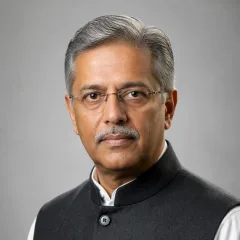
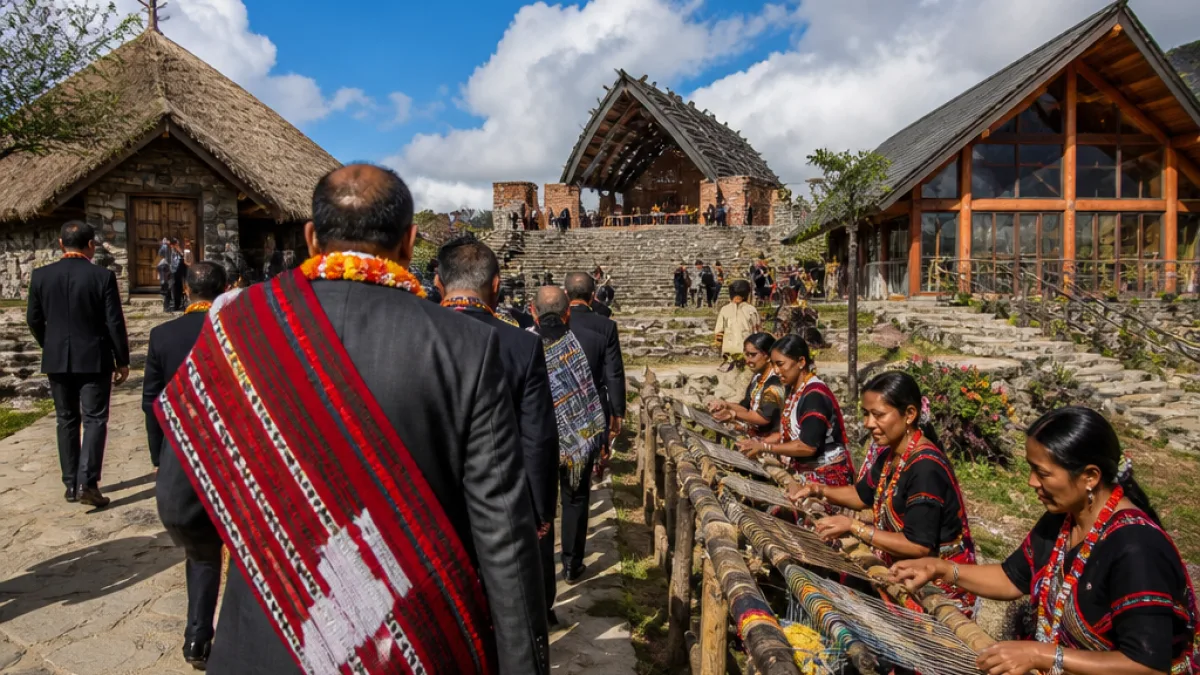
Kohima, August 17: Nagaland Governor Nand Kishore Yadav visited Tuophema Village on August 17 to see firsthand the community's cultural programmes and locally driven tourism efforts, a press release from the PRO Lok Bhavan Nagaland said.
Official tour highlights community initiatives
The Governor was accorded a warm welcome on arrival and walked through the village's principal attractions that form part of the “Tuophema Experience”, according to the release. During the visit, women at the village Naga Kitchen conducted a traditional weaving demonstration, providing officials with insight into indigenous weaving techniques practised in the community.
According to the PRO Lok Bhavan statement, the Governor visited several key sites within the village, including:
- Kharu
- Tuophema Amphitheatre
- Ancestral Kense's Hut
- Tuophezhu Hall
- Regional Craft and Resource Centre
Preservation and livelihoods at centre of visit
Officials said the tour emphasised the village's efforts to conserve traditional practices while developing sustainable tourism and craft-based livelihoods. The release described Tuophema as an example of a community-led approach that combines cultural preservation with income-generation for local residents.
The Governor's itinerary showcased both performance and craft elements of local heritage, signalling official attention to initiatives that link cultural conservation with economic opportunities for rural communities in Nagaland.
What the visit means locally
Community-based tourism projects like those at Tuophema aim to attract visitors while retaining control of cultural presentation and benefit flows within the village. The Governor's visit is likely to raise the public profile of Tuophema's programmes and may encourage coordination between village organisers and state-level agencies involved in tourism, handicrafts and rural development.
While the press release did not specify follow-up actions or funding decisions, such high-level visits commonly precede discussions on technical support, capacity building, or promotion through government tourism channels.
Attractions visited
| Attraction | Role in the experience |
|---|---|
| Kharu | Listed among sites toured as part of the Tuophema Experience |
| Tuophema Amphitheatre | Venue for cultural presentation and performances |
| Ancestral Kense's Hut | Heritage structure included in the village tour |
| Tuophezhu Hall | Community space visited during the Governor's tour |
| Regional Craft and Resource Centre | Centre for local crafts and resource display |
All items in the table are drawn from the PRO Lok Bhavan Nagaland release about the visit.
Context and wider implications
Tuophema's model, as described in the official statement, brings together traditional knowledge, natural resources and community organisation to create visitor experiences that also support local incomes. Such models are increasingly promoted by state and central agencies as a way to generate rural employment while safeguarding intangible cultural heritage.
Observers of rural tourism note that success depends on effective marketing, visitor management, and sustained skill development among local artisans and guides. The Governor's presence may catalyse discussions on these practical needs, though the press release did not mention any immediate policy measures.
The visit also underscores the role of state dignitaries in spotlighting grassroots initiatives. By participating in demonstrations and touring craft facilities, the Governor drew public attention to village-level efforts to marry culture and commerce.
For residents and visitors, Tuophema remains a site where traditional weaving, performance and community spaces form the core of a tourism product rooted in local ownership. The PRO Lok Bhavan Nagaland release is the primary source for details of the August 17 visit.