Shillong: Meghalaya has recorded 574 new HIV infections in the first quarter of 2026, a surge officials described as alarming for the state’s public‑health system. The Meghalaya AIDS Control Society (MACS) said casual sexual encounters accounted for nearly 52 per cent of the newly reported cases, and the tally included 16 pregnant women, underlining transmission risks across demographic groups.
Numbers and immediate concerns
MACS reported the 574 cases for the three‑month period ending June 2026, which works out to an average of just over six new diagnoses per day. Health authorities said the data points to a worrying trend and flagged the need for stepped‑up prevention, testing and targeted outreach.
| Indicator | Figure |
|---|---|
| New HIV cases (Q1 2026) | 574 |
| Proportion linked to casual sex | ~52% |
| Pregnant women among new cases | 16 |
| Average new cases per day | >6 |
Official response and planned actions
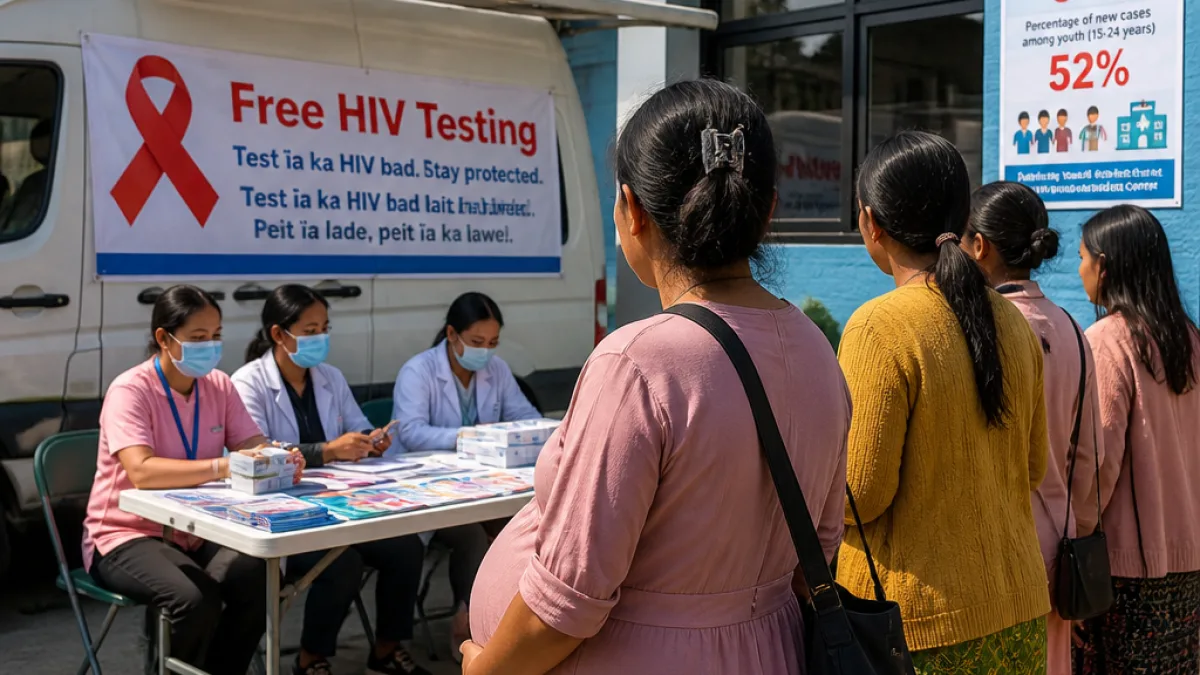
State health officials and the Meghalaya AIDS Control Society said they will intensify outreach programmes, focusing on awareness, prevention and wider testing. The agencies emphasised the need for collective action by government bodies, community groups and health providers to curb further spread.
- Awareness campaigns: Officials said existing education drives will be scaled up to reach vulnerable groups and communities where casual sex is a key transmission route.
- Prevention: Health authorities highlighted the importance of safe‑sex practices and availability of preventive tools, including condoms and counselling services.
- Testing and early detection: Broader and easier access to HIV testing was identified as a priority to ensure early linkage to treatment and to prevent onward transmission, particularly to unborn children.
Concerns over maternal transmission
The identification of 16 pregnant women among the new cases has focused attention on prevention of mother‑to‑child transmission (PMTCT) efforts. Health officials noted that early diagnosis in pregnancy, prompt initiation of antiretroviral therapy and follow‑up care are crucial to reduce the risk of transmission to infants.
“The figures point to a worrying trend and call for reinforced education, safe practices and early detection,” MACS and state health authorities said.
Public‑health context and implications
While the MACS data covers the first quarter of 2026, officials warned that the pattern of transmission—where casual sex accounts for a majority of new infections—requires a recalibration of prevention messaging and services. Greater engagement with at‑risk populations, targeted outreach in hotspots and community partnerships were cited as necessary steps.
Health programmes in the state will need to balance routine clinical services such as testing, counselling and treatment with intensified community outreach. Officials also indicated that the state government and MACS plan to coordinate with non‑government organisations and local leaders to expand coverage of preventive and diagnostic services.
What this means for residents
Authorities urged people to make use of free and confidential HIV testing and counselling services at designated centres and to practise safer sex. Pregnant women were advised to attend antenatal clinics where HIV testing and PMTCT services are available. Health officials reiterated that early diagnosis allows effective treatment that dramatically reduces morbidity and prevents most onward transmission when standard protocols are followed.
MACS and the state health department said further details of intensified outreach schedules and specific interventions will be announced as programmes are finalised.