Historical presence and recent incidents
Residents of Shillong who identify as Bengali say they continue to face questions about their belonging despite deep historical roots in the city. The community’s long-standing presence — dating to the colonial period when Bengali clerks, teachers and professionals helped build Shillong’s administrative and educational institutions — contrasts with episodes of hostility in recent years.
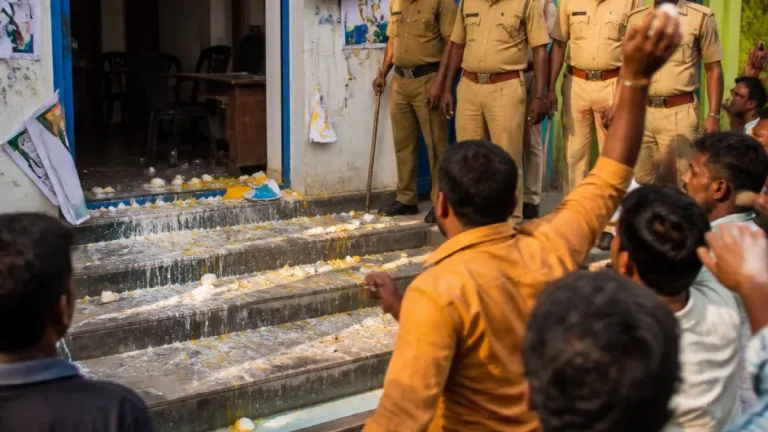
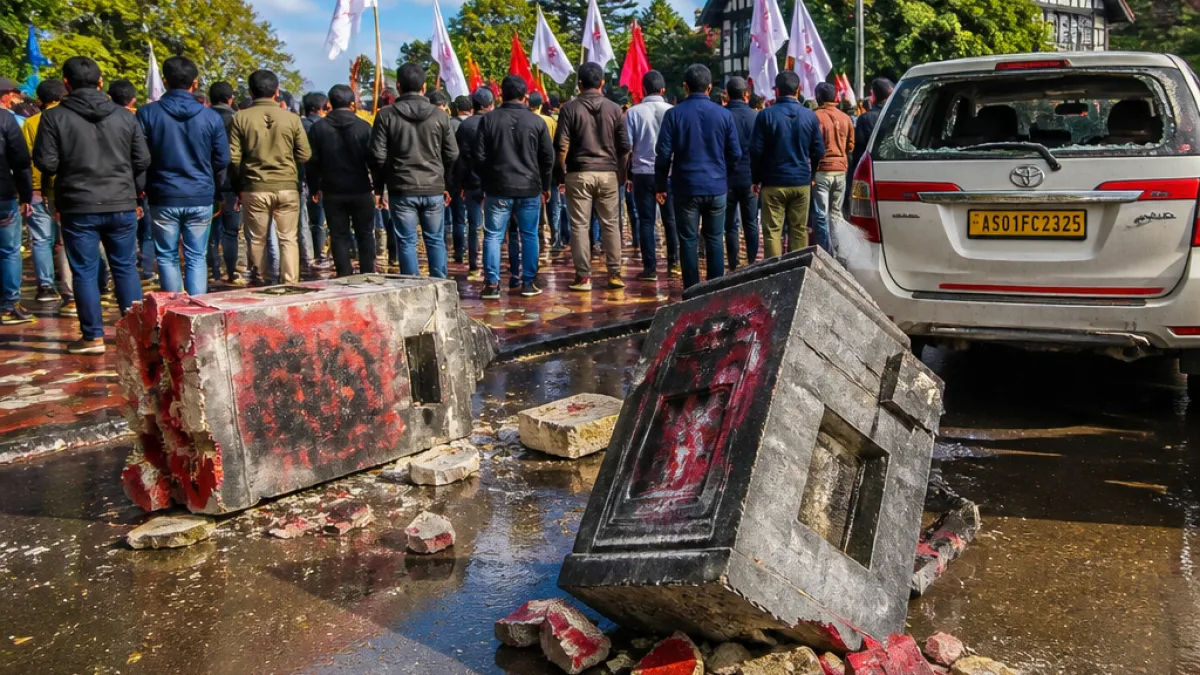
On 19 August, statues of Netaji Subhas Chandra Bose and Swami Vivekananda in Shillong were vandalised by activists of the Khasi Students’ Union (KSU) during a rally that, according to reporting, demanded greater regulation of migrant workers among other things. Vehicles from Guwahati bearing Assam registration numbers were also targeted during the same period.
Community concerns and patterns
Members of the Bengali-speaking community in the Northeast said that linguistic identity is frequently read as evidence of being outsiders. A narrative that Bengali speakers — both Hindu and Muslim — are Bangladeshis persists across parts of the region, and the community has experienced episodes of anti-non-tribal violence in Meghalaya over several decades. Reporting indicates that, over the last four decades or so, Bengalis have borne the brunt of such violence in the state more than other communities.
- Origins: Bengalis were brought to Shillong in the colonial era to serve as clerks and officers in the administration and to teach in newly established schools and colleges.
- Role: The community is described as having been central to Shillong’s growth — running businesses, teaching and working in service sectors.
- Present-day friction: Recent acts of vandalism and targeted attacks on vehicles have highlighted enduring tensions over migration and identity.
"One can be an Indian citizen who has lived, studied, worked and built relationships in the region for years. And yet find one’s linguistic identity interpreted as evidence of being an outsider."
What the incidents mean for Shillong
The incidents have revived long-standing anxieties about belonging, citizenship and the status of linguistic minorities in Shillong and the wider Northeast. For a city whose institutions and public life were shaped in part by Bengali professionals and educators during the colonial period, the persistence of a narrative that treats Bengali speakers as migrants or foreigners poses social and civic challenges.
| Event | Details |
|---|---|
| Statue vandalism | Statues of Netaji Subhas Chandra Bose and Swami Vivekananda vandalised in Shillong on 19 August |
| Targeting of vehicles | Vehicles from Guwahati with Assam registration numbers were targeted during protests |
Local civic harmony depends on clear policies and community engagement around migration regulation, employment, and cultural rights. The recent actions during a rally demanding tighter regulation of migrant workers indicate that migration remains a flashpoint in public discourse.
Members of the Bengali-speaking community, while emphasising their decades-long contribution to Shillong’s administration, education and commerce, continue to report that their linguistic identity can affect how they are perceived and treated in everyday interactions. Reporting notes that this pattern is not restricted to Shillong but has been observed across several Northeastern states.
Officials, community groups and law-enforcement authorities will face pressure to balance enforcement of public order with measures that address underlying grievances about identity and belonging — including ensuring protection for symbols and persons, clarifying the scope of any demands about migrant regulation, and engaging affected communities in dialogue.
The incidents of August and the longer history of tension underline an unresolved social question in Shillong: how to preserve public order and legitimate local interests while recognising and protecting the rights of communities with long-standing ties to the city.