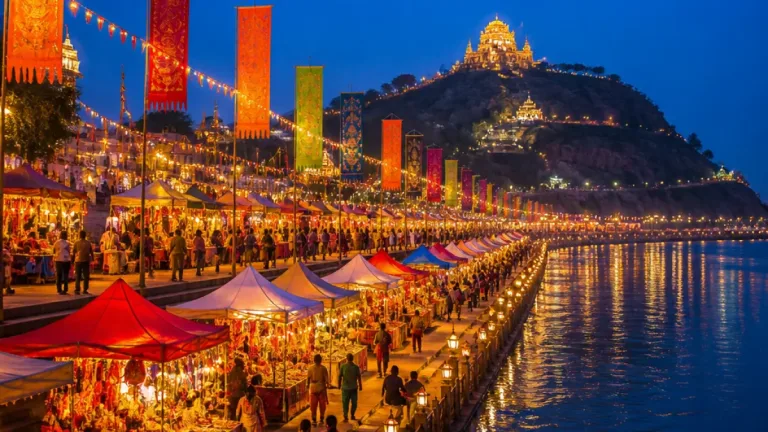
The measures were agreed at a preparatory review meeting chaired by district collector Nishant Krishna. Senior officials and department heads were tasked with specific responsibilities to ensure law and order, uninterrupted civic services and emergency response during the high-visibility event that attracts devotees from across Tamil Nadu and beyond.
Key arrangements and department roles
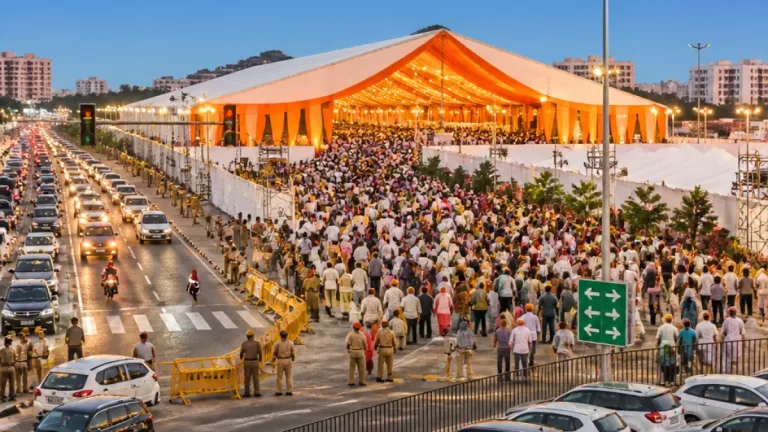
Police will lead crowd control, establish CCTV-monitored control rooms and manage temporary parking zones. Public address systems will be deployed across congested areas to direct devotees and prevent crowding. Special protocols are in place to deter gatherings near structurally unsafe buildings and to regulate access to terrace areas and temporary scaffolds, so as to preserve public safety and allow emergency vehicle movement through the old-city lanes.
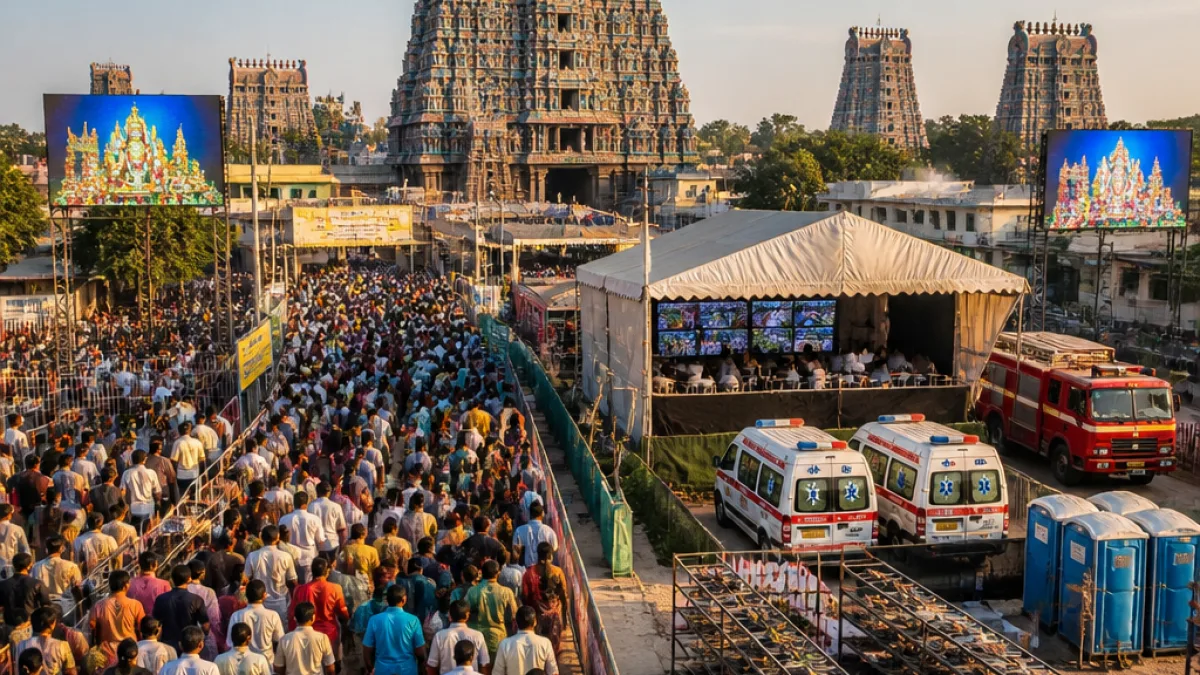
- Madurai Municipal Corporation to provide drinking water through temporary tanks and mobile tankers (including 40,000-litre tankers) along Chithirai streets, additional lighting, mobile toilets and dedicated sanitation teams.
- Health department to deploy medical camps, emergency response teams, dedicated 108 ambulances and stocks of essential medicines across the temple precincts.
- Hindu Religious & Charitable Endowments (HR&CE) to make arrangements for devotees, including free footwear stands, luggage storage at five temple entrances, medical insurance cover and live LED broadcasts within and outside the complex.
- Use of drip systems and permitted drones for distribution of holy water to devotees, as part of crowd-dispersal and hygiene measures.
Traffic, utilities and safety certification
Other departments will ensure uninterrupted power supply, fire-safety certification of temporary structures, structural checks of staircases and scaffolding erected for processions and viewing, and targeted road repairs in approach corridors. Special sticker-marked bus services will run on festival routes to streamline public transport access and ease private vehicle movement.
| Item | Detail |
|---|---|
| Festival period | Sept 6 – Oct 2 |
| Main ceremony | Sept 17 |
| Key officials at review | Nishant Krishna, S Rajendiran, N Devanathan, Gaurav Kumar |
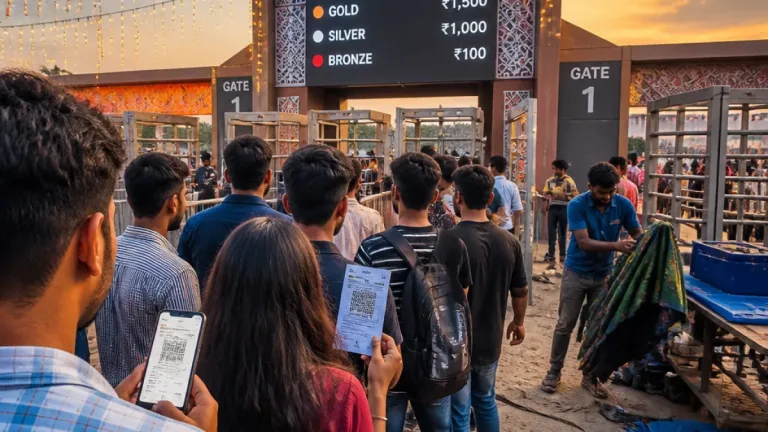
The review meeting was attended by city police commissioner S. Rajendiran, district superintendent of police N. Devanathan and corporation commissioner Gaurav Kumar, according to the district administration. Entry passes and identity cards will be mandatory for officials, volunteers and VIPs involved in the ceremonies.
Local impact and operational focus
Officials noted that concentrated pilgrim movement along the Chithirai streets and around the temple complex necessitates precise coordination among departments. The municipal corporation's water and sanitation plan seeks to mitigate public health risks during peaks of congregation; the health department's standby teams and ambulance deployment aim to shorten response times for medical emergencies.
The HR&CE department's luggage storage and free footwear stands are intended to reduce queues at gateways and maintain sanctity and order within the sanctum, while LED broadcasts will allow devotees to follow rituals without adding to in-temple crowding. Use of drone delivery for holy water will be limited to approved corridors and operations to avoid disruption to conventional crowd-control measures.
Enforcement and contingency planning
Police sources said contingency plans include designated evacuation routes, temporary parking beyond the immediate old-city area, and strict enforcement against unauthorised vending or erection of temporary structures that could impede traffic or emergency access. Structural checks will focus on terraces and temporary viewing platforms to prevent accidents during peak days.
Officials said the arrangements will be reviewed and adjusted as required during the festival period based on real-time assessments of crowd movement and weather conditions. The district administration urged devotees and residents to cooperate with authorities, carry valid identity cards when required and follow directions issued from control rooms and public address systems.