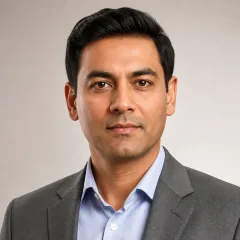
From solitary drives to mass mobilisation on the Gomti
Lucknow — A weekly river-cleaning campaign that began in 2023 has completed its 177th Sunday drive at Kudiya Ghat, with organisers reporting a network of nearly 8,000 volunteers and a supporting WhatsApp community of about 6,000 members.
The initiative, called Go For Gomti, was started by radio jockey Prateek Bharadwaj after he found stretches of the Gomti used as informal dumping grounds. What began with fewer than 10 people attending the first drive has steadily grown into a regular civic exercise, with volunteers gathering for a two-hour clean-up every Sunday, organisers say.
- First drive: 2023, single-digit turnout
- Current weekly action: 177 consecutive Sunday drives
- Volunteer network: Nearly 8,000; WhatsApp community about 6,000
Organisers and participants describe the campaign as a response to what they call sluggish civic action. Municipal resources and formal interventions were limited in the early period, and the drive grew from individual volunteers to a broader city movement that now includes people of different ages and backgrounds.
"In the office itself, such talk used to happen, like, ‘Why are you roaming around acting like a sanitation worker over there?’ When I was made the ambassador for the Municipal Corporation, RJs from rival channels used to say ‘the ambassador of sweepers’,"
The remark was made by Prateek Bharadwaj in earlier coverage about the campaign and reflects the ridicule some volunteers faced at the start. The organisers say such scepticism has been replaced in parts by cooperation: municipal sanitation staff have joined some drives, and the Lucknow Municipal Corporation initially supported the effort under then-commissioner Inderjit Singh.
Scale, methods and local response
Each Sunday drive typically lasts around two hours and focuses on visible plastic, household waste and other refuse along the riverbank near Kudiya Ghat. Volunteers supply gloves and basic equipment; heavier or technical clearance work remains with municipal sanitation teams, according to reporting on the campaign.
Participants say the drives perform several functions: immediate removal of trash from the river edge, visible public demonstration to keep civic attention on river health, and an educational function that encourages behavioural change among residents who use the riverbanks.
Local involvement appears to have diversified over time. While the municipal corporation provided some initial support, the movement is principally volunteer-driven. Volunteers include young people, office-goers, and older residents who make the Sunday drive a regular civic habit. Organisers also use messaging platforms to coordinate volunteers and publicise schedules.
Wider context and implications for Lucknow
Urban waterbodies across India have in recent years attracted citizen-led restoration drives in the absence of rapid civic remediation. In Lucknow, the Gomti is a major urban watercourse whose condition affects public health, urban drainage and the city's image. Regular citizen action, while not a substitute for infrastructure investment and systematic waste management, keeps attention on maintenance and can prompt administrative follow-up.
| Metric | Reported number |
|---|---|
| Sunday drives completed | 177 |
| Volunteer network | Nearly 8,000 |
| WhatsApp community | About 6,000 |
Organisers say consistent citizen participation can complement municipal effort, but they also stress the limits of volunteer action. Sustained improvements in river health require systematic solid-waste management, sewage treatment and enforcement against dumping — responsibilities that fall within municipal and state purview.
The Go For Gomti campaign in Lucknow illustrates the ability of repeated, grassroots action to mobilise public attention and civic pride. Whether it will translate into long-term policy changes or infrastructural investment remains dependent on coordination with civic authorities and budgetary priorities at the municipal and state levels, the report notes.
The account of the drive and the figures cited above are based on earlier coverage of the campaign and statements by organisers.