Thiruvananthapuram: Kerala is experiencing a subdued southwest monsoon, with the India Meteorological Department (IMD) reporting an overall rainfall deficit of 23 per cent for the season so far. The state has received 1,222.7 mm of rain against a normal figure of 1,588.4 mm, according to state weather summaries.
IMD outlook and atmospheric drivers
The IMD has described the monsoon over Kerala as weak, pointing to reduced westerly wind strength as a major factor behind the subdued rainfall activity. While meteorological offices have noted the development of several low‑pressure systems over other parts of the country this season, these systems have not produced a sustained improvement in atmospheric conditions over Kerala so far.
"Isolated heavy rainfall is very likely at some places in Kerala," said the IMD in its latest advisory.
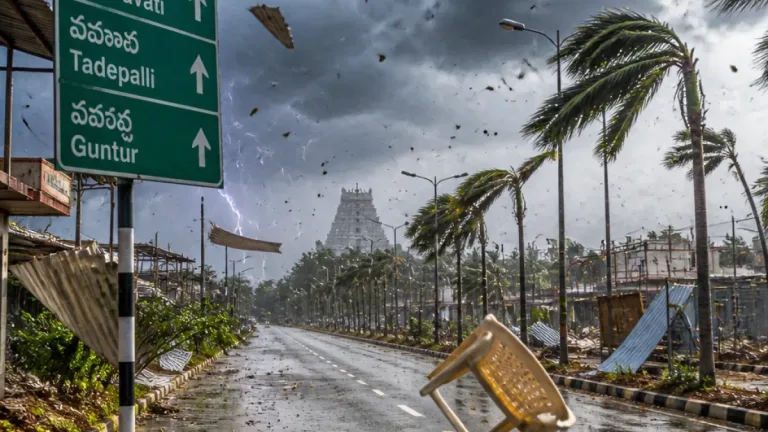
That forecast underlines the patchwork nature of rainfall at present: episodes of intense, localised rain have occurred in parts of the state even as the overall seasonal totals lag well behind the norm.
District-level deficits and variability
Hill districts have been hardest hit. Wayanad and Idukki recorded the largest deficits, at 51 per cent and 45 per cent respectively. Other districts with below-average rainfall include Ernakulam, Palakkad, Thrissur and Kollam.
In contrast, several districts — Thiruvananthapuram, Pathanamthitta, Malappuram, Kozhikode, Kottayam, Kasaragod and Kannur — have so far received rainfall close to the seasonal average. The divergent pattern reflects the monsoon’s continuing unevenness across the state.
Reservoir storage and hydrology
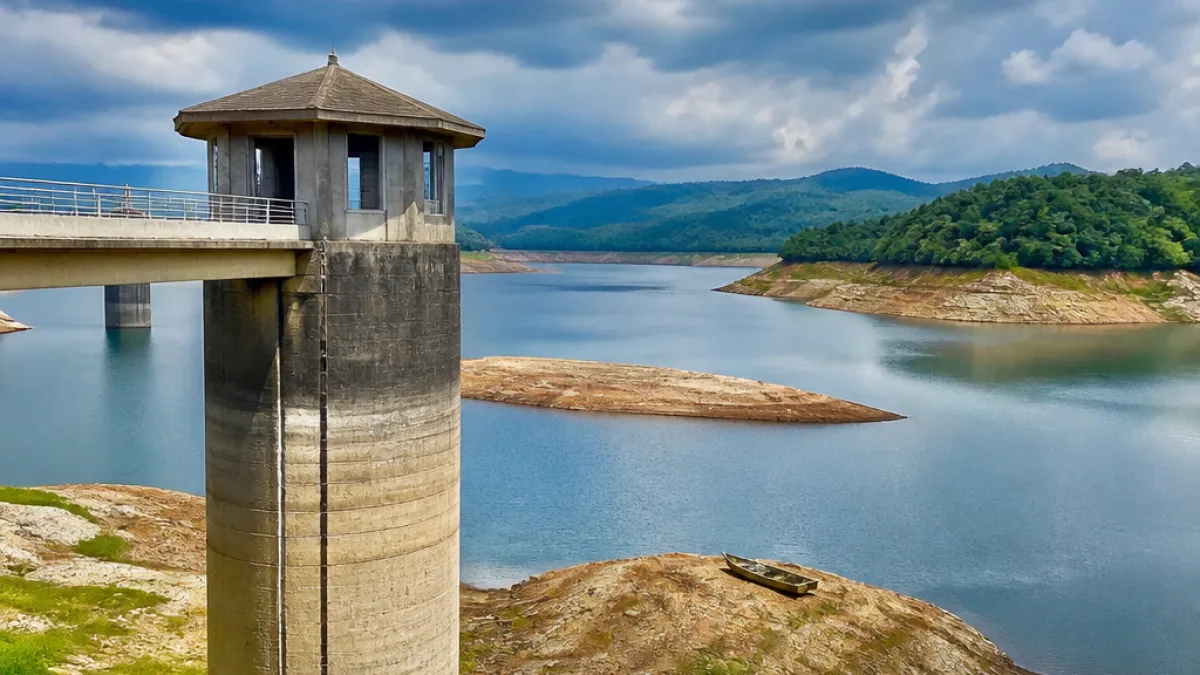
Water storage in reservoirs managed by the Kerala State Electricity Board (KSEB) is also below last year’s levels. Aggregate storage across KSEB reservoirs stands at 57 per cent of capacity, compared with 79 per cent at the same time in the previous year.
| Reservoir / Metric | Current level | Same period last year |
|---|---|---|
| All KSEB reservoirs (aggregate) | 57% | 79% |
| Idukki reservoir | 55% | 74% |
The lower storages at Idukki and elsewhere have implications for power generation, irrigation and drinking-water supplies as the state approaches the late monsoon and post-monsoon seasons.
Practical implications and what to watch for
- Water managers and the power utility will be monitoring reservoir inflows closely; constrained storage could affect hydroelectric output if the deficit persists.
- A spatially uneven monsoon increases risk of flash flooding in locations that receive intense, localized bursts of rain even as overall rainfall remains deficient.
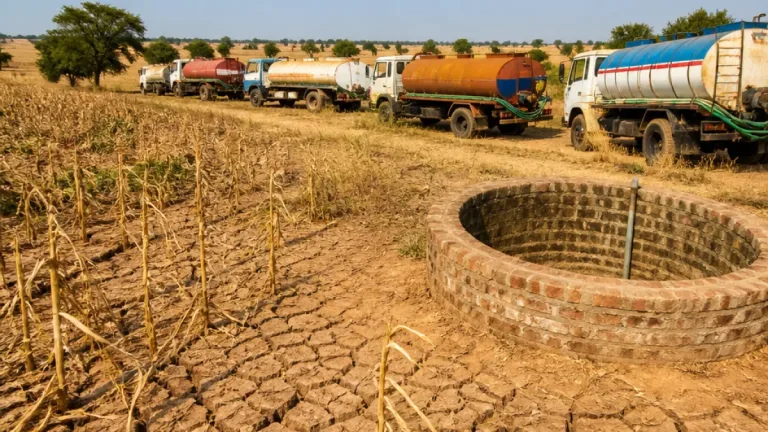
- Farmers in districts with large deficits, particularly in the high ranges, may face moisture stress for late‑season crops unless rains pick up.
Officials have so far stopped short of declaring any emergency measures. The IMD advisory and the KSEB storage bulletin together suggest that authorities and residents should continue to be alert to sudden, localised downpours while also preparing for longer spells of below‑normal rainfall.
Outlook
Meteorologists will be watching movement and intensification of low-pressure systems in the Bay of Bengal and Arabian Sea closely, since any sustained change in these features could alter the monsoon pattern over Kerala. Until such a change is confirmed, the state is likely to experience a mix of dry intervals and isolated heavy showers, leaving the seasonal rainfall shortfall at roughly the present level.
The combination of a 23% rainfall deficit and reservoir storage well below last year’s figures underlines the need for cautious water-resource management across the state in the coming weeks.