Bengaluru: The Karnataka government on Monday outlined a strengthened, citizen-driven approach to food safety, announcing the formation of taluk-level food safety watch teams and an expansion of inspections to include paying-guest (PG) accommodations, hostels and food outlets at travel hubs.
Citizen teams to act as force multipliers
At the launch of the statewide "Eat Right" campaign in Bengaluru, Health and Family Welfare Minister U.T. Khader said the new watch teams would operate at the taluk level and act as force multipliers for the Food Safety and Drug Administration (FSDA). The Minister said guidelines for the teams will be framed and issued shortly.
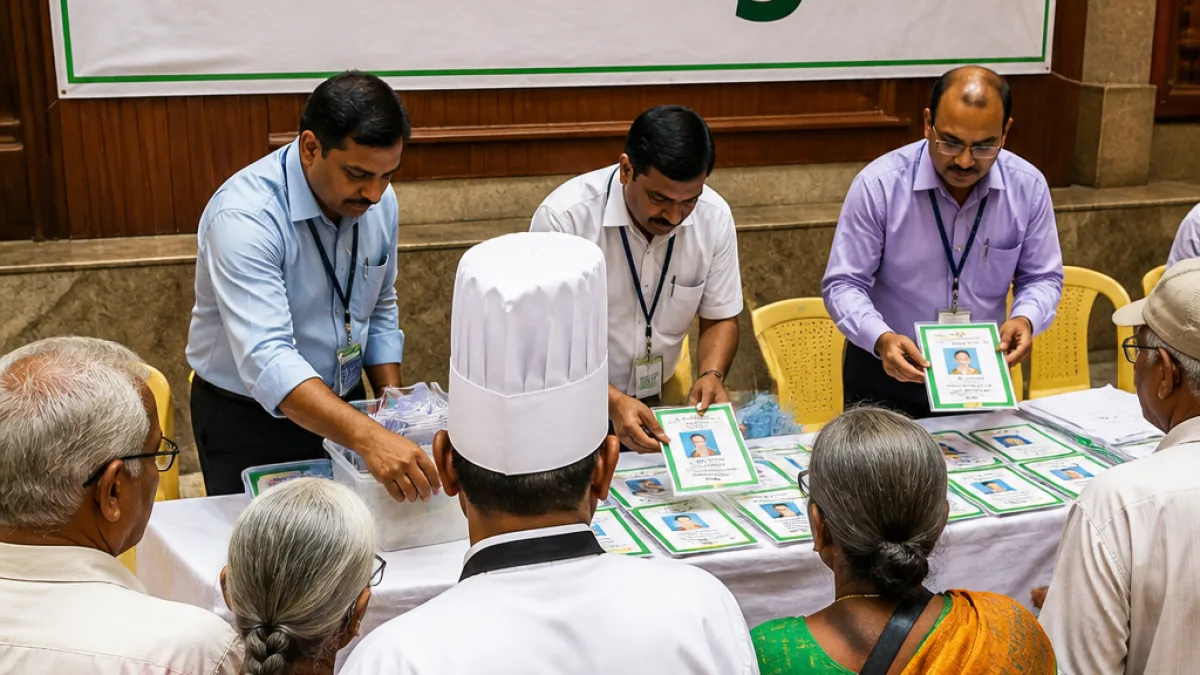
"These teams will include senior citizens, former food safety officials and experienced chefs. An ID card will be issued to them so that they can go and inspect places. If violations are found, they can report to the head office and actions will be taken,"
Mr. Khader said the watch teams would be provided identification to enable inspections and direct reporting to FSDA headquarters. The stated goal is to widen the net of surveillance beyond official inspection squads and increase community participation in ensuring food hygiene.
Inspections broadened; PGs given 10 days to comply
The Health Minister said FSDA teams have previously inspected hotels, dhabas, anganwadis and hostels, and that the scope will now be further broadened. Special emphasis will be placed on paying-guest accommodations, which often house college students and young working women.
Pointing to the health risks when unhygienic food is served, Mr. Khader gave a 10-day window for PGs and similar establishments to rectify lapses and adhere to food-safety norms, after which penalties will be imposed for violations. He also said private college hostels and catering centres will be included within the inspection regime.
Testing at travel hubs and dialogue with star hotels
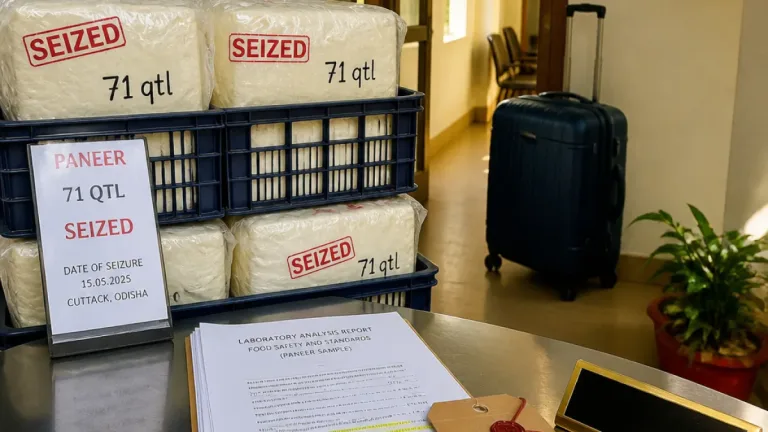
The Minister said food samples from hotels at railway stations, airports and onboard flights will be collected for laboratory analysis in the coming days. He also indicated that the department will soon convene a meeting with owners of star hotels to discuss compliance and possible collaboration.
"These hotel owners are not our enemies. They have contributed to the economy of the state and country. During the meeting, they can give us suggestions and we will examine whether to include them or not," Mr. Khader said, signalling a consultative approach towards large hospitality operators.
Officials, stakeholders and public roles
The announced citizen watch teams are expected to include a mix of senior citizens, retired food-safety officials and experienced chefs, according to the Minister. The inclusion of former officials aims to use institutional knowledge, while chefs may provide technical understanding of kitchen practices and hygiene standards.
- Formulation and issuance of watch-team guidelines: to be done soon
- Watch-team ID cards: to be issued to authorised volunteers
- 10-day compliance period for PGs and similar eateries/hostels
- Expanded sample collection from travel-related hotels and on flights
- Consultative meeting planned with star-hotel owners
Practical implications for residents and businesses
For residents, especially students and working women who depend on PGs, the move signals tighter oversight of food safety standards in shared accommodations. PG owners will need to verify their kitchens and suppliers comply with FSDA rules quickly to avoid penalties.
Hospitality operators at stations and airports should expect targeted sample collection and laboratory scrutiny. Star hotels are being brought into a dialogue that could shape whether and how they will be formally integrated into enforcement or voluntary compliance frameworks.
Quick reference: announced measures and timelines
| Measure | Details | Timeline |
|---|---|---|
| Citizen watch teams | Taluk-level teams with senior citizens, ex-officials, chefs; ID cards for inspections | Guidelines to be issued soon |
| PGs and hostels inspections | Inspections expanded; 10-day window to rectify violations | 10 days from announcement |
| Travel-hub sampling | Food samples from hotels at railway stations, airports and in-flight | Commencing in the coming days |
| Engagement with star hotels | Meeting to discuss suggestions and possible inclusion in programme | To be scheduled soon |
The Health Minister also reiterated that every citizen has a right to safe and hygienic food and urged both stakeholders and consumers to be more aware of what they consume. He framed the initiative as a combined effort of government machinery and citizen participation to reduce food-borne illnesses and protect vulnerable groups.
Implementation details, including the composition of watch teams, training, and the mechanism for complaints and penalties, are expected to be released by the Health and Family Welfare Department as the campaign is rolled out across taluks.
Prakash Gowda
AI Karnataka Correspondent