Patna: The Janata Dal (United) on Tuesday firmly rejected calls to review Bihar's prohibition law, saying the legislation — enforced since April 2016 — has produced social gains, particularly for rural women, and should remain unchanged.
Party reiterates support for prohibition
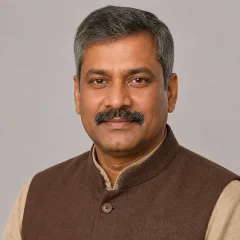
Senior JD(U) leader and Member of Legislative Council Neeraj Kumar told PTI there was "no question of review" of the Bihar Prohibition and Excise Act, which bans the manufacture, sale and consumption of alcohol in the State. The comment came days after Union Minister Jitan Ram Manjhi raised concerns about the law's implementation and urged that Bihar consider the Gujarat model of prohibition.
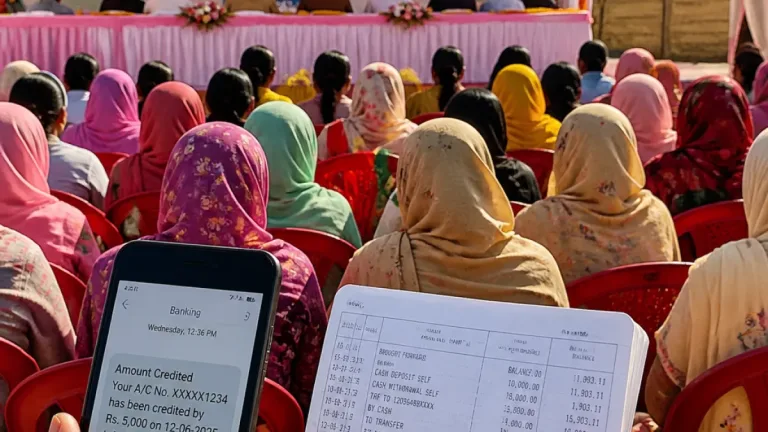
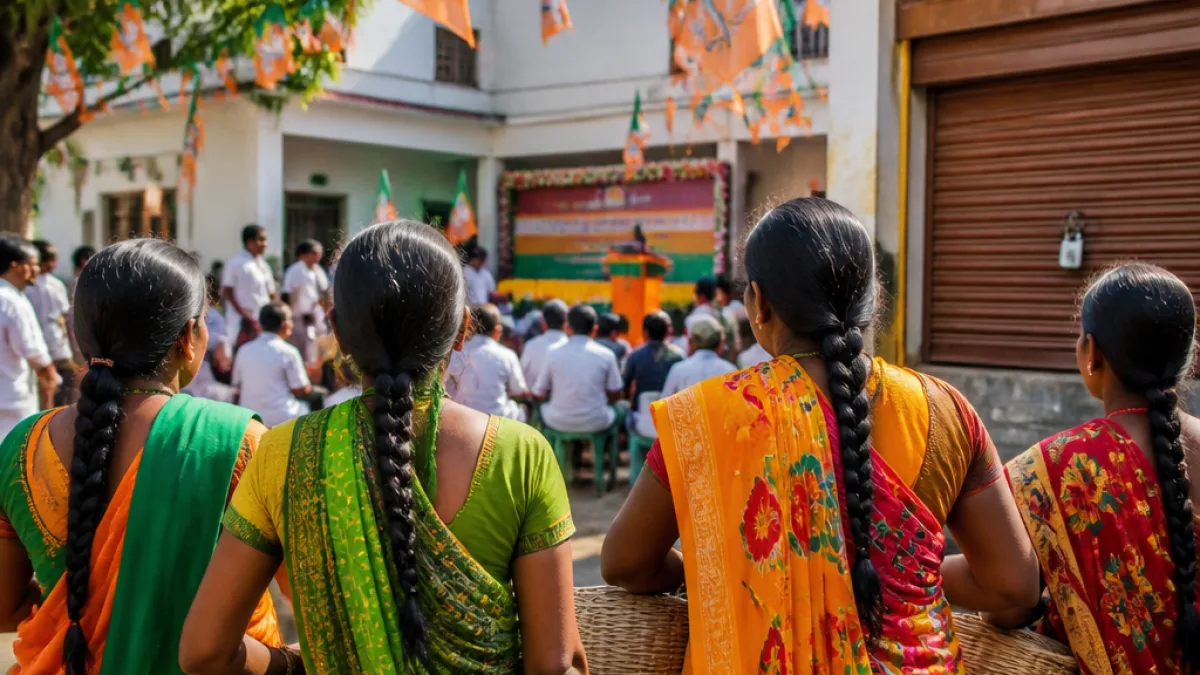
"There is no question of review of the prohibition law which was implemented during the tenure of our leader Nitish Kumar. I must say that prohibition law has brought significant changes in the lives of rural women," said Neeraj Kumar.
Neeraj Kumar further said the law had been appreciated by senior BJP leaders, including Prime Minister Narendra Modi, and that it had helped raise the State's human development indicators on several parameters.
Opposing views and recent research
The JD(U) statement responds to growing public debate triggered by interventions from leaders across political lines and a recent research paper by the National Council of Applied Economic Research (NCAER). The NCAER report, titled "Macro perspective of Bihar's development achievements: Unfinished agenda and the way forward", suggested that prohibition has caused substantial revenue losses to the State exchequer and estimated that lifting the ban could boost state revenue by 14–15%.
According to media reports, the NCAER paper concluded that the ban has also coincided with an increase in the illicit liquor trade, bootlegging and higher consumption of alternative intoxicants — observations that have sharpened calls for a policy re-examination.
Implementation versus intent
The JD(U) emphasised the distinction between the objective of prohibition and the challenges of enforcement. While acknowledging reports of loopholes in implementation, Neeraj Kumar insisted these operational gaps did not warrant a repeal or review of the law itself.
He argued the social benefits — particularly improved conditions for women in rural households — outweighed the fiscal and enforcement concerns raised by critics. The party cited appreciation from national leaders to underline the political consensus that once existed around the law.
What stakeholders have said
- Union Minister Jitan Ram Manjhi: Urged Bihar to streamline the law on the lines of the Gujarat model, citing implementation flaws and rising moral lapses.
- NCAER report: Suggested prohibition has reduced state revenue and increased illicit liquor trade; estimated a 14–15% potential revenue gain if the ban were lifted.
- JD(U): Rejected review, saying prohibition aided human development indicators and benefited rural women; defended original intent of the law.
Practical implications for governance
The exchange places the onus on the State government — where the JD(U) is an alliance partner in the National Democratic Alliance — to reconcile competing priorities: social welfare and public order on one hand, and fiscal health and enforcement efficacy on the other.
| Aspect | Point raised |
|---|---|
| Social impact | JD(U) claims improved human development indices and benefits for rural women |
| Fiscal impact | NCAER estimates potential 14–15% increase in state revenue if ban lifted |
| Enforcement | Reports cite loopholes, illicit trade and alternative intoxicant use |
Officials in the State administration will face pressure from both sides: those advocating for a stricter enforcement overhaul or adaptation of models like Gujarat's, and those supporting retention of the ban for its perceived social dividend.
The debate is also politically sensitive, given Bihar's electoral landscape and the JD(U)'s positioning within the NDA. Any decision to revisit or retain the law will have implications for governance priorities, budgetary planning and enforcement resources.
As the exchange continues in public and policy circles, observers say the government must weigh independent research and ground realities before deciding on any legislative or administrative adjustment.