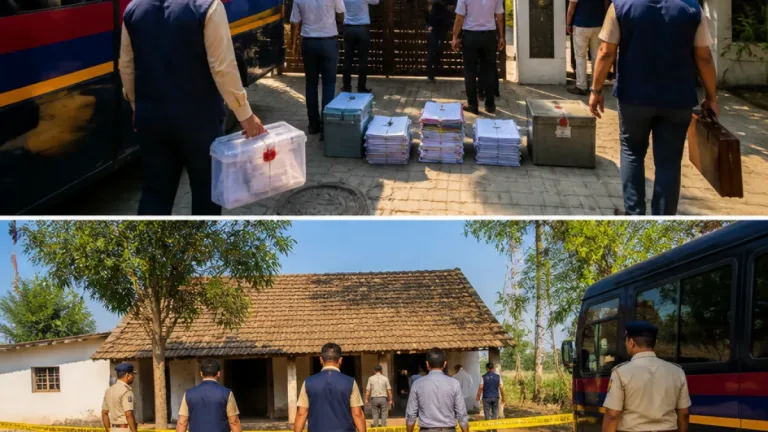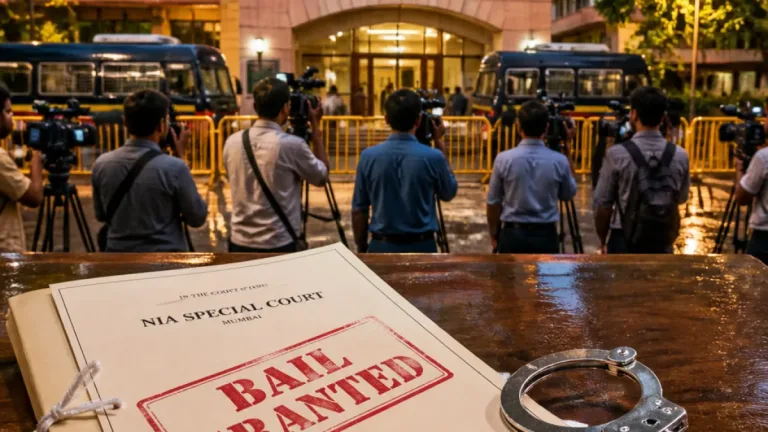
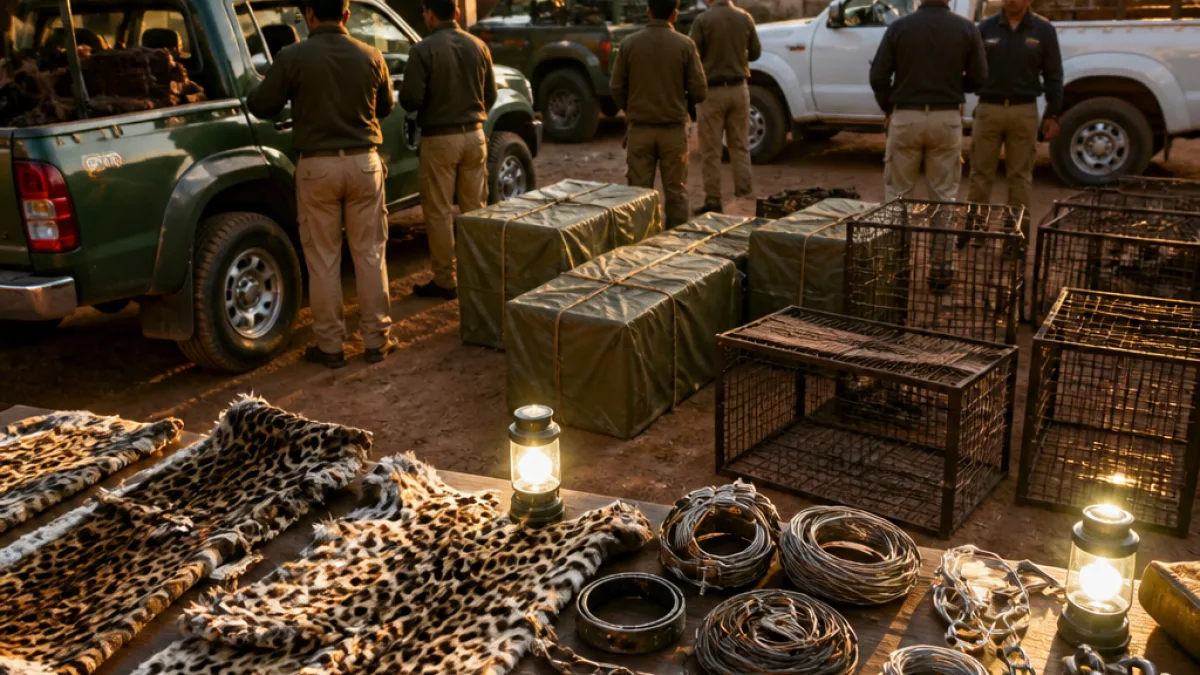
SHIVPURI, Madhya Pradesh: A joint investigation by state and central enforcement agencies has uncovered an alleged interstate leopard poaching and trafficking network centred on Madhya Pradesh, officials said on Monday. The probe has led to nine arrests so far and is examining possible connections between two of the accused and a Delhi‑based wildlife conservation organisation.
Multi‑agency operation uncovers alleged trafficking chain
The Uttar Pradesh Forest Department, Madhya Pradesh State Tiger Strike Force (STSF) and the Wildlife Crime Control Bureau (WCCB) have been conducting coordinated inquiries into the ring. According to officials involved in the investigation, the agencies are tracing the chain that purportedly links poachers operating in MP forests with individuals engaged in transporting and trading wildlife contraband across state borders.
Investigators have named two principal suspects arrested in the course of the operation: Bhagwan Singh, alias Salim, described by officials as a history‑sheathed figure in wildlife trafficking cases, and his associate Wasim. Bhagwan Singh was taken into custody on August 11 and Wasim on August 13, the investigating officers said.
- Number arrested: Nine persons so far, according to the probe teams.
- Primary agencies involved: Uttar Pradesh Forest Department, MP State Tiger Strike Force, Wildlife Crime Control Bureau.
- Key locations: Madhya Pradesh forests and transit routes across state borders; summons issued in Shivpuri.
Alleged NGO link under scrutiny
The inquiry took a further turn when investigators reported finding an association between the two arrested men and a Delhi‑based NGO identified as Wildlife SOS. Officials said they are examining the nature and duration of the association — which they believe may extend to around five years — to determine whether any role in the alleged trafficking activities can be established.
The STSF issued a notice to the NGO's chief executive, directing him to appear before the investigating officer in Shivpuri on August 17 as part of the ongoing probe. Authorities emphasised that the alleged involvement of the organisation or its personnel has not yet been proved.
"The attempt to vilify the organisation is a travesty of justice," the NGO said in a statement, rejecting the allegations and describing itself as "shocked and deeply concerned" about threats to India's wildlife and animal welfare.
Implications for conservation and enforcement
Wildlife trafficking cases have significant implications for conservation in central India, where leopards are integral to forest ecosystems and local human‑wildlife relations. Enforcement agencies said the probe seeks not only to secure prosecutions but also to identify supply chains and transit nodes that enable illegal trade.
Officials noted that dismantling an interstate network requires coordination across forest departments, specialised strike forces and central agencies such as the WCCB. The case underlines the challenge of tracking wildlife contraband across state lines, where poachers, middlemen and traders may operate in separate jurisdictions.
| Agency | Role in investigation |
|---|---|
| Uttar Pradesh Forest Department | Field intelligence and local arrests |
| Madhya Pradesh State Tiger Strike Force (STSF) | Coordination, investigation and issuing summons |
| Wildlife Crime Control Bureau (WCCB) | Forensic support and interstate coordination |
Next steps in the probe
Investigators said they will continue to question the arrested persons and pursue leads to locate other members of the network and routes used for transportation. The STSF’s summons to the NGO chief executive is intended to clarify any formal or informal ties between the organisation and the accused; however, officials stressed that summons or questioning does not amount to a finding of guilt.
The case is likely to draw attention from conservation groups and legal authorities, given the involvement of a well‑known NGO and the seriousness of wildlife trafficking allegations. Enforcement agencies are expected to present evidence before the competent courts as the probe progresses.
Local communities in and around forest areas could be affected by intensified enforcement activity and by the longer‑term conservation consequences of poaching pressure on leopard populations. Authorities have not released details about the species count allegedly involved or the exact locations of seizures, citing ongoing operational sensitivity.
The investigation remains active and officials have reiterated that all leads are being pursued to establish the full extent of the network and secure appropriate legal action against those found culpable.