
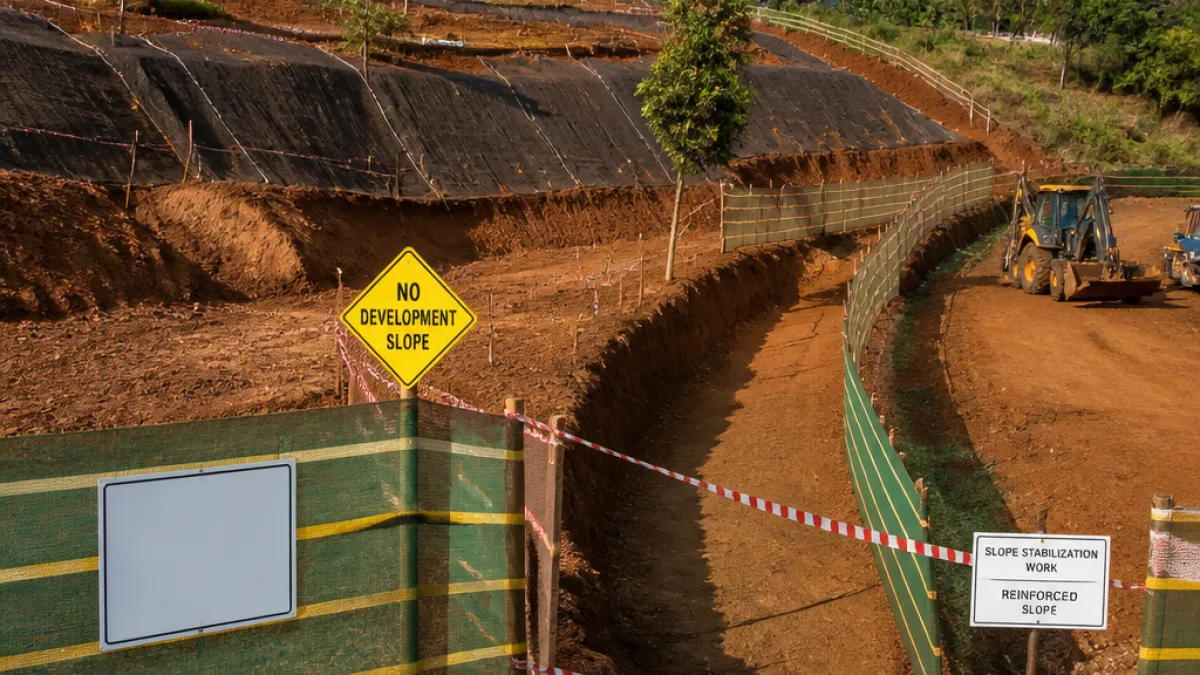
The Bombay High Court at Goa has recorded that the primary relief in a petition over illegal hill-cutting at Arpora has been achieved and disposed of the matter, closing a legal confrontation that lasted more than four years.
Background and legal action
The dispute arose after the Goa Foundation complained to the Arpora‑Nagoa Village Panchayat on March 31, 2022, about heavy machinery cutting into a hill behind the Park Regis Hotel at a site marked as a No Development Slope in the Regional Plan. When the panchayat said it could not act because the complaint did not identify the person responsible, the foundation approached the High Court on April 12, 2022.
The very next day, the court directed the Flying Squad to stop activity at the site immediately. Subsequent inspections by the North Goa Planning and Development Authority (NGPDA) documented the extent of the damage and guided remedial measures that have now culminated in stabilising and restoring the slope.
Extent of damage and restoration
Official inspections found that the hill had been cut vertically by around 4–5 metres over a stretch of approximately 100 metres, and horizontally by about 30 metres. A road nearly 6 metres wide had been excavated, involving further cuts of 2–3 metres. These measurements were recorded during the regulatory inspections noted in the court proceedings.
| Feature | Measured extent |
|---|---|
| Vertical cut | 4–5 metres over ~100 metres |
| Horizontal cut | ~30 metres |
| Road excavated | Nearly 6 metres wide; additional cuts 2–3 metres |
Role of authorities and civil society
The restoration followed sustained intervention by the Goa Foundation and directions issued by the High Court. The case exposed gaps in local enforcement: the foundation had first notified the panchayat, which declined to act on procedural grounds, and only after the matter reached the judiciary did immediate regulatory action follow.
"The panchayat told the Foundation that it could not act because the complaint did not identify the person responsible," reported the foundation's initial outreach.
The court-directed Flying Squad and subsequent NGPDA inspections were pivotal in documenting the damage and ensuring remedial work. The High Court, while disposing of the petition, recorded that the principal relief — restoration of the hill — had been achieved.
Implications for planning and enforcement
Officials and environmental groups say the episode raises questions about how No Development Slopes are policed and about the chain of accountability among panchayats, planning authorities and enforcement squads. The case shows that existing statutory designations in regional planning instruments were not sufficient to prevent on-ground alteration without active monitoring and prompt action by local authorities.
- Regulatory gap: Initial inaction by the panchayat delayed enforcement until the matter reached the High Court.
- Monitoring need: No Development Slope status requires periodic inspection and rapid response mechanisms to prevent irreversible damage.
- Precedent value: Judicial intervention and documented remediation could inform future cases involving slope protection and illegal excavation.
What remains unanswered
While the court has recorded the restoration and disposed of the petition, the reporting shows several outstanding questions: why the hill was allowed to be cut despite its protected status, whether those responsible have been identified and held to account, and what systemic changes will be implemented to prevent recurrence. The available public record details the timeline of complaints and inspections but does not indicate any penal action or administrative sanction against the parties that carried out the cutting.
The matter highlights the continuing importance of vigilant civil society actors, robust regulatory inspections and clear accountability in implementing land‑use restrictions in Goa, where environmental sensitivity and development pressures frequently conflict.












