Germany’s Minister for Environment, Climate Action, Nature Conservation and Nuclear Safety, Carsten Schneider, said the devastating flash floods that struck Nepal last week are a stark manifestation of climate change and warned such extreme events are likely to become more frequent. Speaking in New Delhi on Wednesday, he identified India as a “very key partner” for Berlin in advancing global climate action.
Climate link and international cooperation
Schneider told ANI that the disaster — which has claimed 1,204 lives according to an update from Nepal’s National Disaster Risk Reduction and Management Authority (NDRRMA) — illustrates the human toll of a warming planet. He urged intensified collaboration between Germany and India to curb greenhouse gas emissions, limit temperature rise and ensure fulfilment of the Paris Climate Agreement.
“I think we see that this is all due to climate change. It’s due to the fact that people have died because of climate change, and they’ve lost their homes,” Schneider said, adding that these events are likely to occur more frequently.
He stressed that environmental risks do not stop at national borders and called for sustained bilateral efforts to translate climate diplomacy into concrete mitigation and adaptation measures.
Regional consequences and disaster response
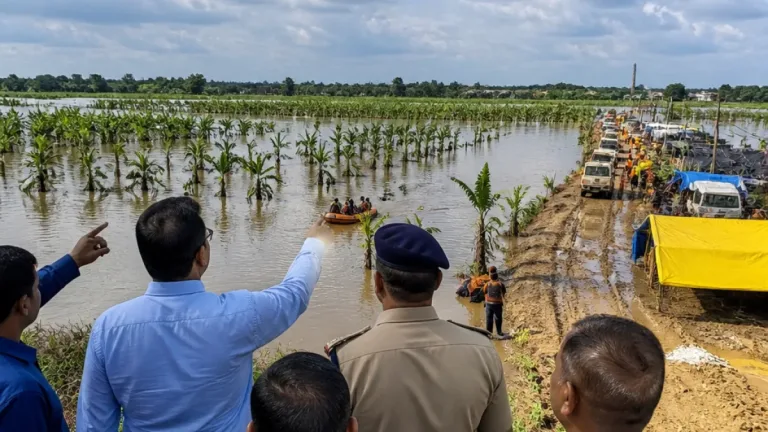
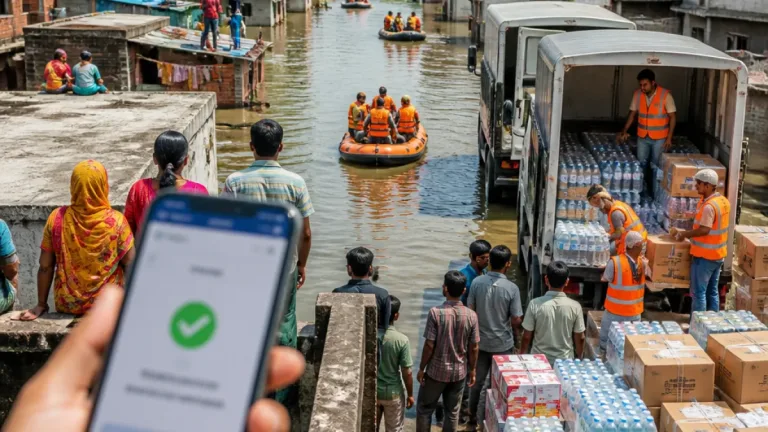
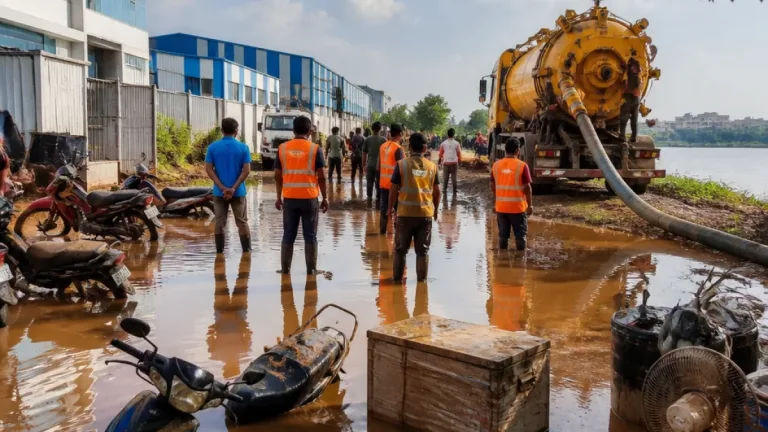
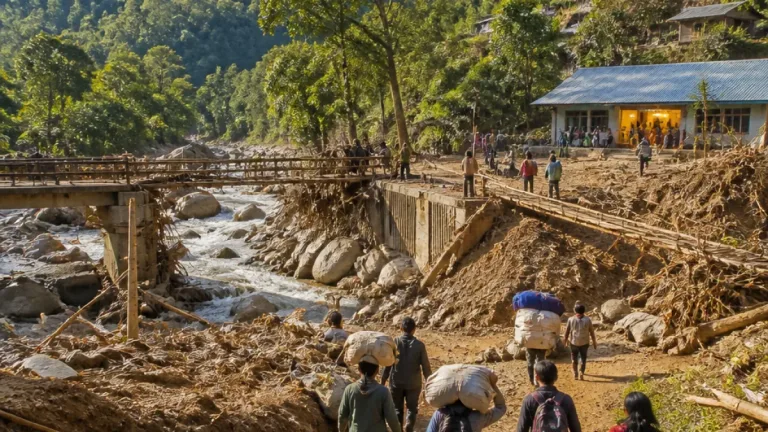
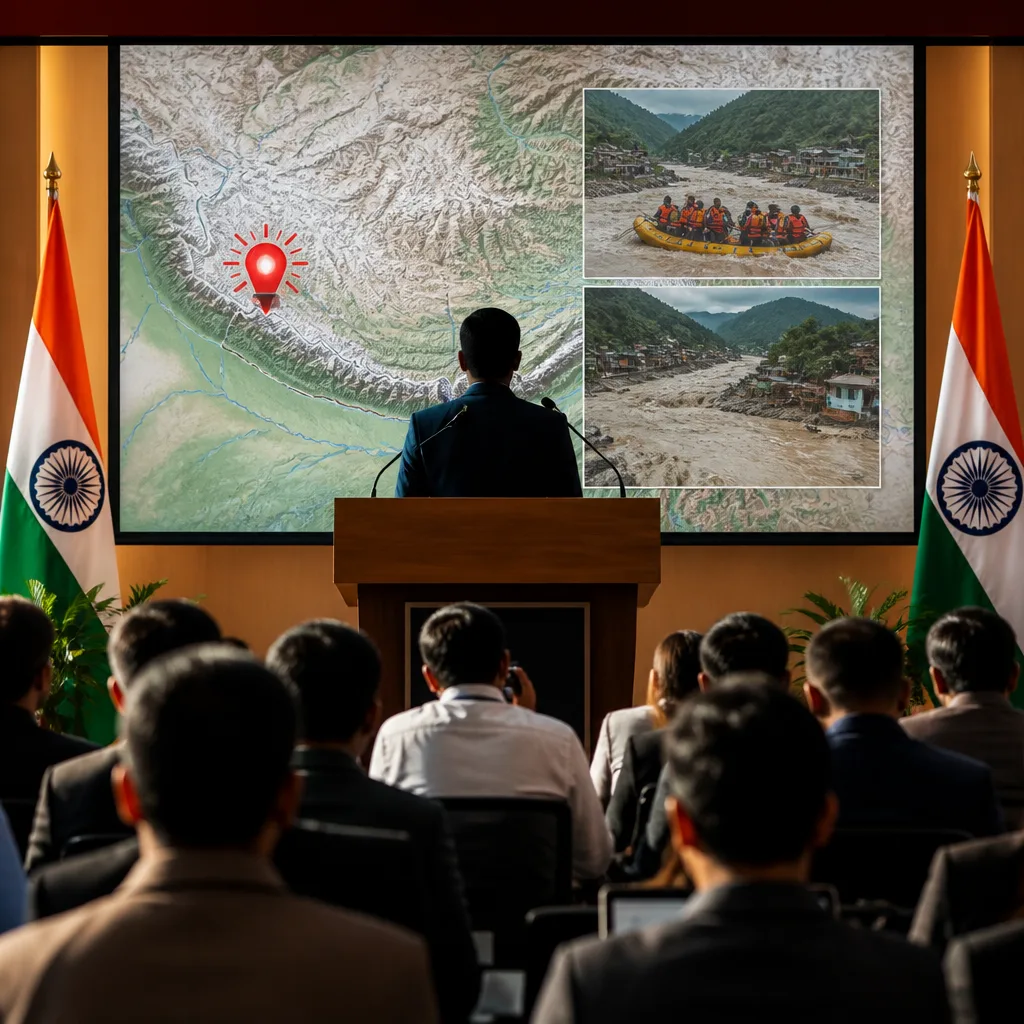
The flash floods began on August 26 after a catastrophic surge along the Tibet–Nepal border sent a wall of water, sediment and boulders downstream, overwhelming communities in Nepal’s highlands and plains. Search and rescue operations remain active across affected districts as authorities contend with scale and access challenges.
- Casualties: NDRRMA reported the death toll at 1,204.
- Geography: The event affected upstream Himalayan catchments and downstream settlements, illustrating the cross-scale impacts of mountain hazards.
- International dimension: Germany underscores the need for joined-up global action, naming India an essential partner.
Schneider’s remarks come amid heightened international attention on the disaster and renewed debate about how richer, higher-emitting nations should assist vulnerable neighbours facing intensifying climate hazards. While his comments were made in New Delhi, they also signal Berlin’s interest in strengthening climate cooperation with major developing economies.
Policy implications for India
For India, the German minister’s appeal frames several policy priorities. First, it underlines the diplomatic and practical importance of regional cooperation on early warning, transboundary river management and disaster relief logistics. Second, it reinforces India’s role in global mitigation — both in cutting domestic emissions growth and in shaping international finance for adaptation.
Schneider emphasised implementation of the Paris Agreement as central to limiting temperature rise and reducing the frequency of such extreme episodes. His comments also dovetail with ongoing international conversations about climate finance, technology transfer and capacity building for vulnerable mountain states and riverine communities.
Data and accountability
Concrete measures that follow from such high-level statements typically involve a mix of technical cooperation, financial commitments and joint advocacy in multilateral fora. Germany has a history of supporting climate resilience projects globally, while India has been positioning itself as both a developing country with emissions growth constraints and a major actor in renewable-energy deployment.
| Detail | Fact |
|---|---|
| Event | Catastrophic flash floods along Tibet–Nepal border (began Aug 26) |
| Reported deaths | 1,204 (NDRRMA) |
| Key international reaction | Germany links event to climate change; calls India a key partner |
As rescue work continues, officials and analysts will look to weather and hydrological agencies for detailed attribution studies. Scientific attribution — determining the extent to which human-driven warming contributed to an event — requires careful analysis of climatic data, model runs and local observations from meteorological and hydrological agencies.
Schneider’s intervention is likely to sharpen bilateral discussions on mitigation and adaptation ahead of upcoming international climate negotiations, and will add pressure on major emitters and partners to convert commitments into measurable, actionable programmes that reduce vulnerability and strengthen early-warning and response systems across the Himalayan region.
Tags: climate change, Nepal floods, Germany, India, disaster response