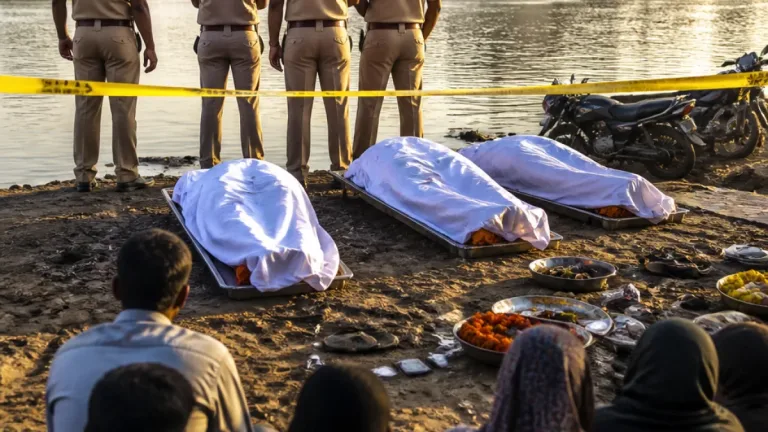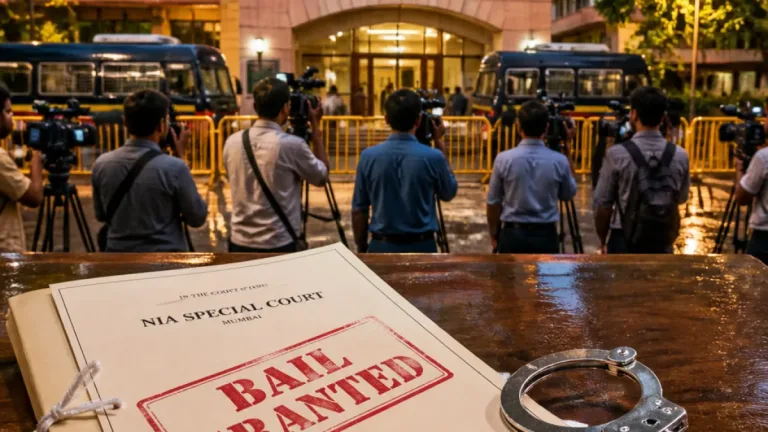
The Delhi High Court on August 6 refused to grant regular bail to former Olympic medallist Sushil Kumar in the alleged murder of former junior national wrestling champion Sagar Dhankar, observing that the crime appeared to involve a "premeditated and gruesome assault resulting in death" and that the accused could influence witnesses and affect the trial's outcome.
Court's findings and reasons
Justice Purushaindra Kumar dismissed the bail plea, saying the nature and circumstances of the offence — supported, the court noted, by the recovery of a firearm, video evidence and other material yet to be examined during trial — weighed against releasing the petitioner on bail. The judge also pointed to the accused's alleged conduct prior to arrest and his social standing as factors that could enable interference with witnesses.
"Whether the deposition of Ashok Dhankad (deceased's father) does or does not support the prosecution is, moreover, a matter of appreciation of evidence that must await the outcome by the trial court. It cannot be treated as a change in circumstances sufficient to unlock the door that the Supreme Court closed," the court said.
The court emphasised that while bail is ordinarily the rule and jail the exception, the present case involved elements that justified continued custody. The bench observed that the defence's contention that the deceased's father had not supported the prosecution could not be treated as a decisive change in circumstances to overturn prior judicial rulings.
Arguments advanced and opposition
Counsel for Sushil Kumar argued that circumstances had changed since an earlier cancellation of bail, and noted that the petitioner had spent more than five years in custody. The defence submitted that only formal and official witnesses remained to be examined in the trial and highlighted the absence of support from Ashok Dhankad, the victim's father, for portions of the prosecution's case.
Delhi Police and the family of the deceased opposed the bail plea in court. The High Court said the defence claim regarding Ashok Dhankad's stance was disputed and stressed that assessment of witness deposition is a factual exercise to be handled by the trial court.
Judicial context and earlier rulings
The bench referred to an earlier Supreme Court decision which had cancelled the accused's bail and had noted concerns about the accused's influence in society and a pattern of witnesses turning hostile when he had temporary liberty. The High Court said it was not persuaded that the petitioner had demonstrated either a genuine change in circumstances as contemplated by the Supreme Court or independent grounds for grant of regular bail.
Case background
Sushil Kumar was arrested in May 2021 in connection with the death of Sagar Dhankar. The case has drawn extensive media attention because of the profiles of both the accused — an Olympic medallist — and the victim — a former junior national champion.
The trial is ongoing. The High Court's order underlines the court's reliance on material recovered during investigation and the need to protect the integrity of witness testimony while the criminal process continues.
- Accused: Sushil Kumar
- Victim: Sagar Dhankar (former junior national champion)
- Arrest: May 2021
- Bail decision: Denied by Delhi High Court on August 6
| Item | Detail |
|---|---|
| Court | Delhi High Court (Justice Purushaindra Kumar) |
| Key reasons cited | Premeditated and gruesome assault, potential to influence witnesses, recovery of firearm and video evidence |
| Previous rulings | Supreme Court earlier cancelled bail; noted social standing and witness hostility when temporary liberty granted |
The High Court's order will now be considered in the context of the trial court proceedings, where evidence recovered and witness testimony will be examined in detail. Legal observers say such bail decisions in high-profile cases typically weigh the accused's liberty against risks to the administration of justice, including witness tampering and trial prejudice.
Proceedings in the trial court will determine the factual matrix and legal outcomes as the case moves toward conclusion.