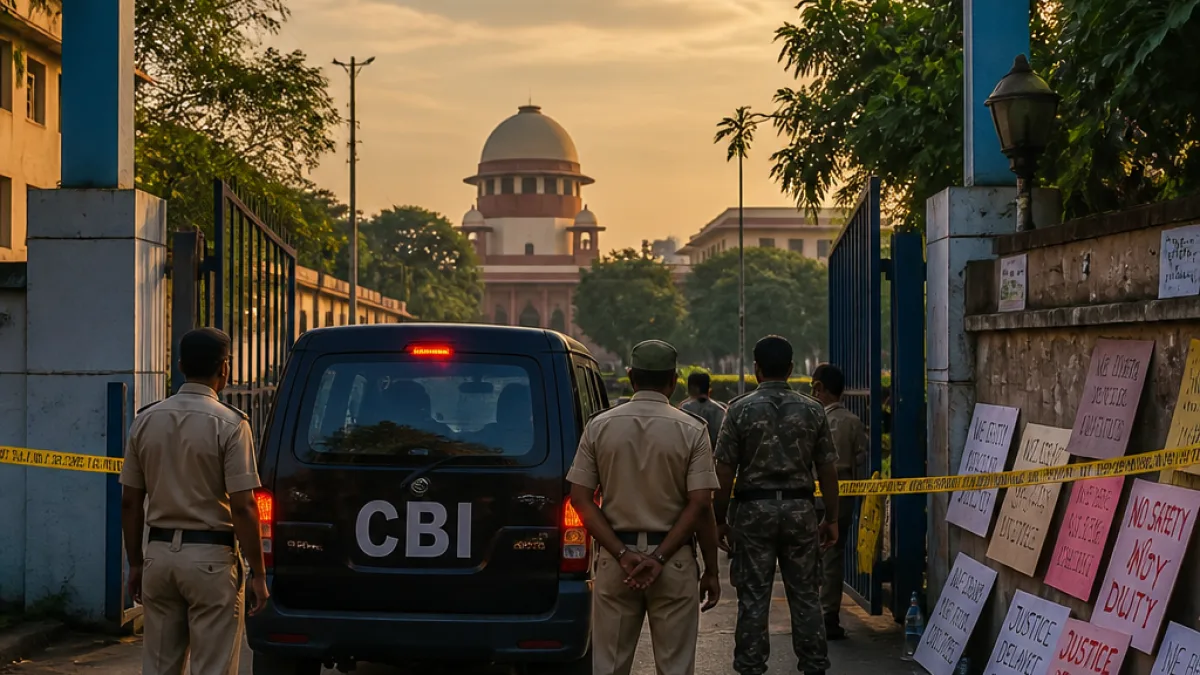
Panihati, West Bengal — West Bengal Chief Minister Suvendu Adhikari on Sunday said justice must be delivered in the high‑profile RG Kar Medical College rape and murder case, adding that the Central Bureau of Investigation (CBI) is conducting a probe and will proceed on the basis of documentary evidence.
CBI probe, fresh team and court supervision
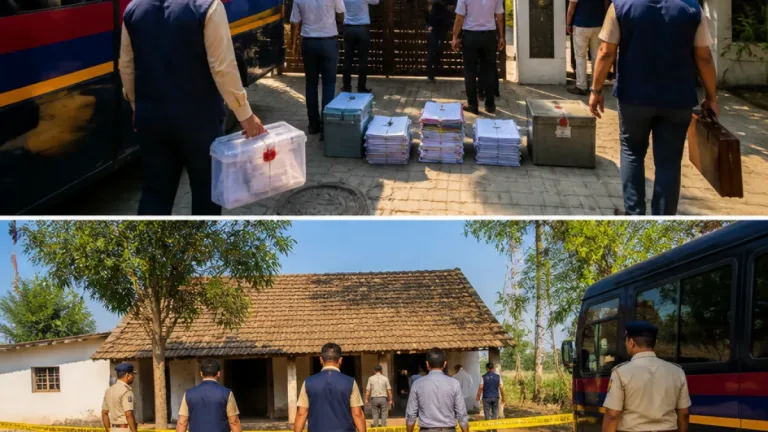
Adhikari said the investigating team in the matter has been changed and that a fresh inquiry has commenced under the supervision of the court. He alleged an attempt was made to conceal aspects of the incident rather than carry out a proper investigation, and said the state government has taken administrative steps in response.
"The CBI investigation is underway, and they will proceed based on documentary evidence. The team handling the case was changed, and a fresh investigation has begun under court supervision," Adhikari said.
The chief minister added that the state administration and the health department are acting on issues that fall outside the CBI's remit. He indicated separate action will be pursued in those areas concurrently with the federal investigation.
Administrative measures announced
Adhikari listed several administrative actions taken by the state government in the aftermath of the discovery of the body of a 31‑year‑old postgraduate trainee doctor on the RG Kar Medical College and Hospital campus on 9 August 2024. He said the government had:
- Suspended IPS officers believed to be connected with alleged lapses;
- Cancelled licences of doctors involved, where appropriate;
- Granted the necessary NOC to enable filing of chargesheets in related corruption cases;
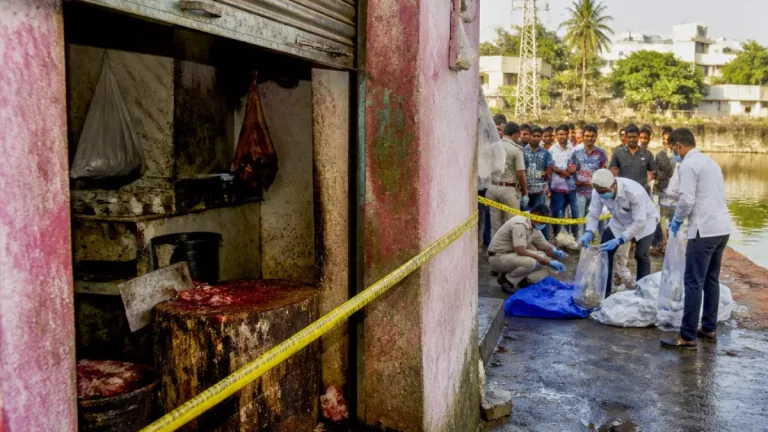
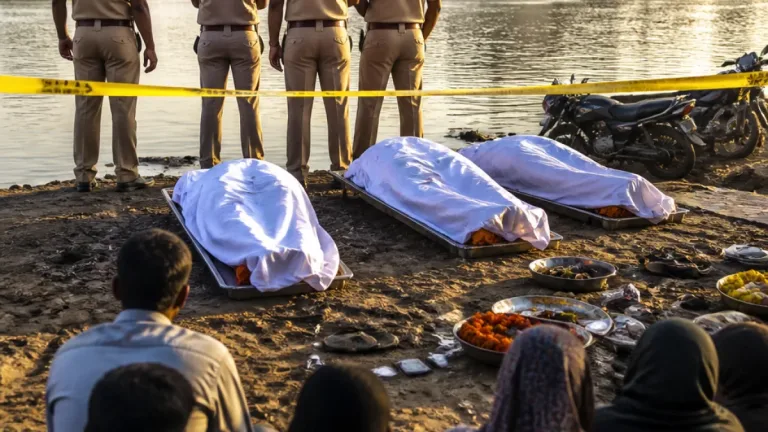
- Directed police to investigate a separate cremation‑related scam and identify individuals seen in CCTV footage that day.
He also said the health department would take action against what he described as a racket implicated in the tragedy involving the doctor. The chief minister said he had paid tribute to the deceased and referred to the recent inauguration of the Abhaya Trust, noting that the trust would work to keep the doctor's memory alive under the leadership of Ratna Didi.
Background and public response
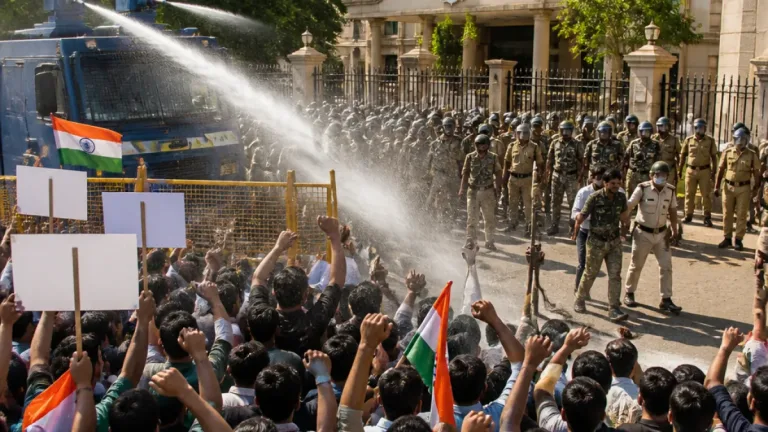
The case, which sent shockwaves through the medical fraternity and civil society, sparked nationwide protests by doctors, medical students and other groups demanding a transparent and thorough investigation. The body was found inside a seminar room on the hospital campus, prompting widespread questions about campus security, institutional responsibility and the handling of evidence.
Adhikari's remarks mark the state government's public reiteration that it seeks full accountability for both the criminal aspects under CBI jurisdiction and the administrative and institutional failures within its own purview. He stressed the separation of responsibilities between the central investigative agency and state departments.
Key timeline
| Date | Event |
|---|---|
| 9 August 2024 | Body of a 31‑year‑old postgraduate trainee doctor found inside a seminar room at RG Kar Medical College and Hospital. |
| 10 August 2026 | Chief Minister Suvendu Adhikari said CBI probe is underway; announced administrative actions and court‑supervised fresh enquiry. |
What is at stake for the state
The case has implications beyond a single institution. In a state like West Bengal, where healthcare institutions in Kolkata and suburbs such as Panihati form an integral part of public life, the incident has raised pressing concerns about safety for medical staff, oversight mechanisms, and the integrity of investigative processes. The state government's declaration of administrative measures aims to address these broader anxieties while preserving the CBI's role in the criminal probe.
Senior police officials and the health department have been instructed to pursue matters not covered by the central investigation, including alleged irregularities at the time of cremation and any associated financial or procedural improprieties. Adhikari’s reference to cancelling licences and suspending officers signals the government’s intent to use administrative penalties where criminal jurisdiction is not engaged.
As the CBI proceeds with its inquiry under court supervision, observers will be watching for the progress and transparency of both the federal investigation and the state’s administrative actions. The case remains a sensitive flashpoint in the city’s civic discourse, touching on the safety of frontline healthcare workers and the responsibilities of institutional leadership.
Further procedural updates and any charges framed by investigators will be awaited by the family of the deceased, the medical community and the public at large.