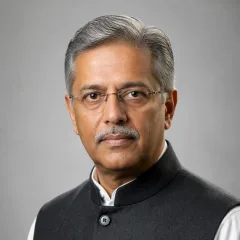
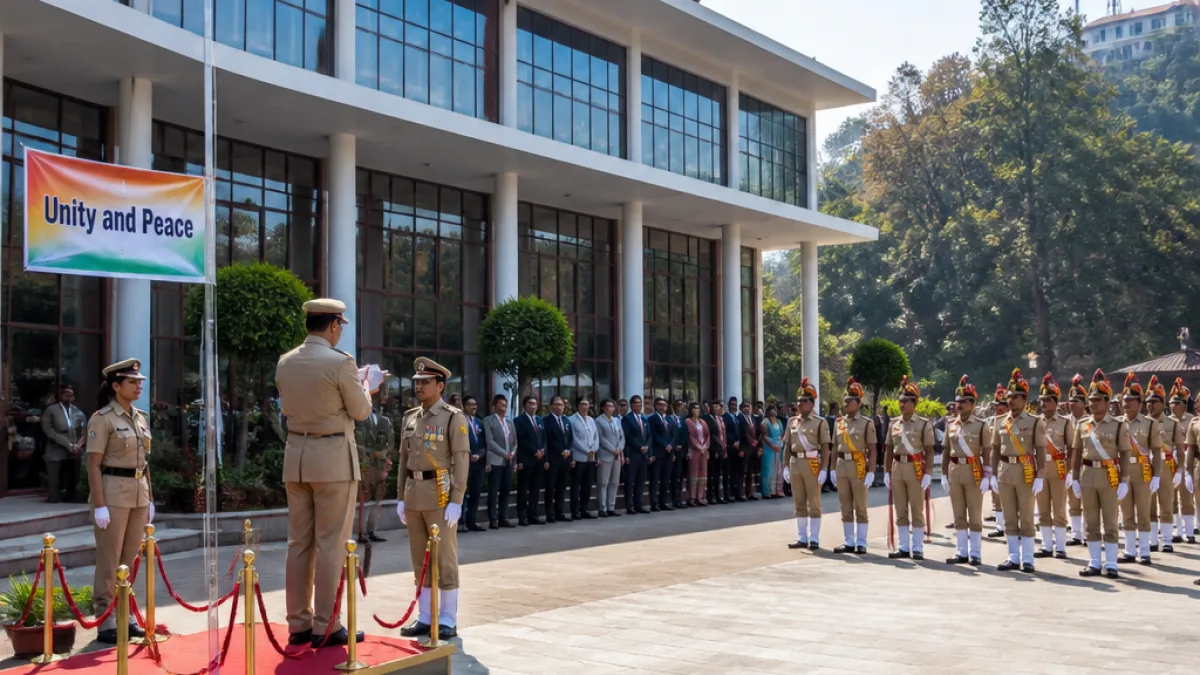
Kohima: Nagaland observed the 80th Independence Day with a subdued ceremony at the Civil Secretariat Plaza in Kohima, where Chief Minister Neiphiu Rio hoisted the National Flag and used his address to press for an early, honourable resolution of the long-standing Naga Political Issue and for the swift operationalisation of the Frontier Nagaland Territory Agreement (FNTA).
Appeal for unity and peace
Speaking to government employees and a limited public gathering, Rio emphasised the need for unity across the State as Nagaland marked the national milestone. He framed the political negotiation and the implementation of the FNTA as prerequisites for consolidating peace, ensuring stability and enabling development in the region.
The Chief Minister's remarks tied the ceremonial observance of Independence Day to the state's ongoing political concerns, signalling that public commemoration and political resolution are interlinked in the current context.
Recognition of security and civil personnel
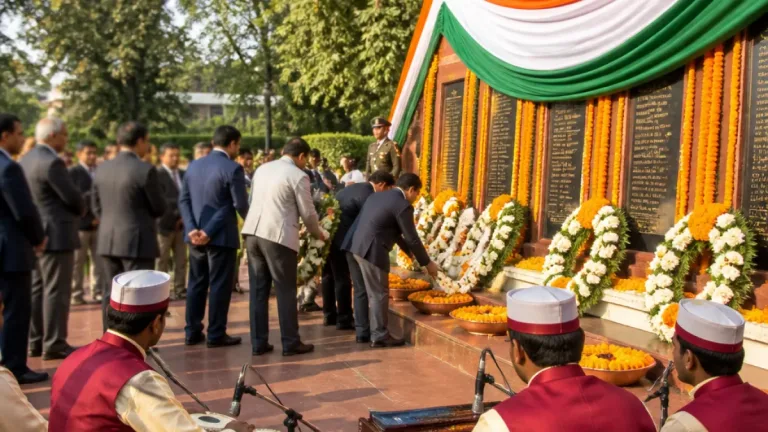
As part of the programme, Rio inspected the parade and presented awards to police personnel and civil servants in recognition of their meritorious and distinguished service. The honours underscored the administration's acknowledgement of the role of governance and security agencies in maintaining public order and in facilitating administrative functions during sensitive times.
- Event: 80th Independence Day ceremony
- Venue: Civil Secretariat Plaza, Kohima
- Chief Guest: Chief Minister Neiphiu Rio (flag hoisting and address)
- Key emphases: unity; early settlement of Naga Political Issue; operationalisation of FNTA; awards to police and civil servants
What Rio asked for
Rio reiterated his call for an "early, honourable resolution" to the longstanding political question confronting Nagaland. He also urged that the FNTA be operationalised without delay, describing it as essential to achieving peace and enabling developmental initiatives in the State.
While the address did not provide a timeline or operational details, the Chief Minister’s public reiteration of these demands signals continued priority for the State government, and may be aimed at keeping pressure on interlocutors involved in negotiations and on agencies responsible for implementing agreements.
Ceremony tone and public participation
The event was described as solemn, with attendance limited to government employees and a small public presence. The tone reflected both the gravity of the political appeals and a focus on official recognition of service. The parade inspection and awards distribution were the principal ceremonial elements alongside the flag-hoisting.
| Aspect | Details |
|---|---|
| Occasion | 80th Independence Day |
| Location | Civil Secretariat Plaza, Kohima |
| Principal message | Unity; early, honourable political settlement; FNTA operationalisation |
| Other highlights | Parade inspection; awards to police and civil servants |
Implications for policy and public life
By foregrounding the Naga political question and the FNTA at a high-visibility national celebration, the Chief Minister has reiterated the State government's focus on achieving a negotiated outcome and on translating agreements into administrative reality. If followed by concrete steps towards operationalisation, Rio's appeal could affect law-and-order planning, development programming and engagement with central interlocutors.
The emphasis on awards to police and civil servants also signals the administration's reliance on these institutions to maintain continuity of governance during a period of political activity.
Looking ahead
The address keeps attention on ongoing political processes without specifying next steps. Observers will look for subsequent statements from negotiating parties, timelines for FNTA implementation and administrative measures to convert any agreements into on-the-ground changes in Frontier Nagaland.
For residents and officials in Nagaland, the dual focus on political settlement and administrative readiness will likely shape expectations in the coming weeks and months as parties involved in the dialogue consider both the substance and sequencing of any agreement implementation.