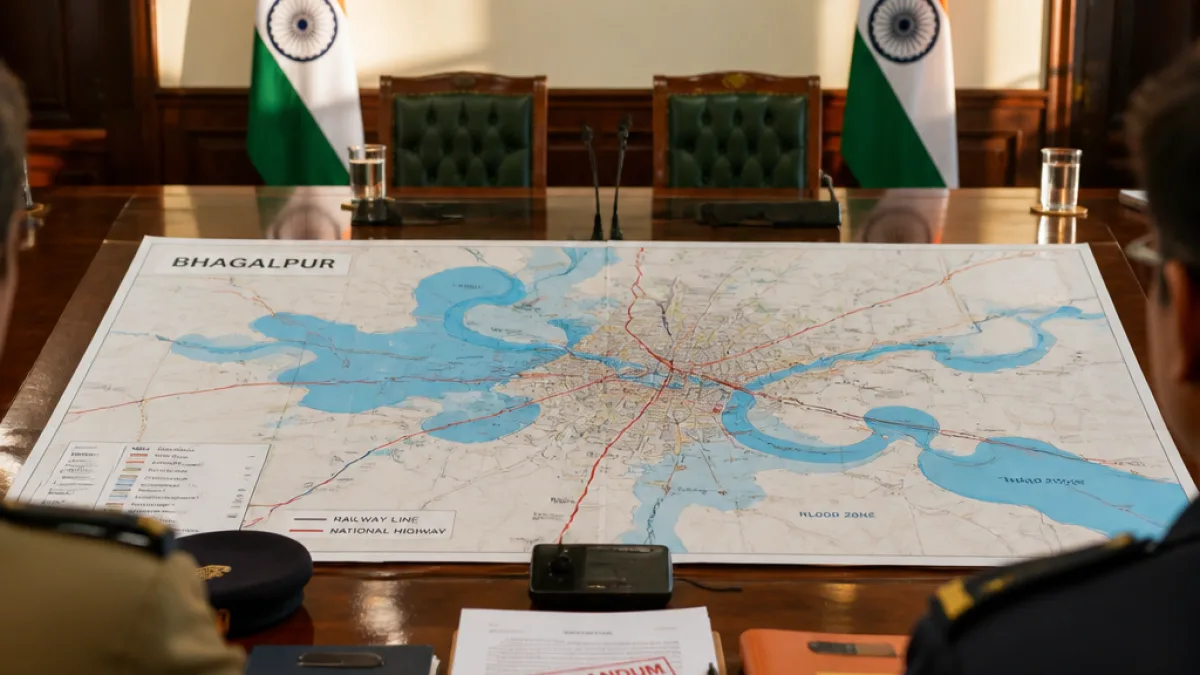
MP cites strategic location, recurring floods and planned industry as reasons
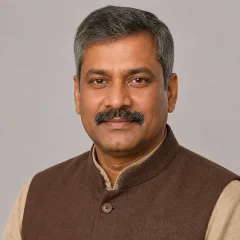
Bhagalpur — JD(U) Member of Parliament Ajay Kumar Mandal has formally requested the Union home ministry to consider establishing units of the Central Armed Police Forces (CAPFs) and a permanent battalion of the National Disaster Response Force (NDRF) in Bhagalpur district. The appeal was made during a recent meeting with Union Home Minister Amit Shah, when Mandal submitted a memorandum seeking long‑term central deployments in the eastern Bihar city.
Mandal emphasised two core reasons for the demand: Bhagalpur’s location on routes that link Bihar with north‑eastern States, and the district’s repeated exposure to flooding in the Kosi and Ganga basins. He argued that a standing presence of central security and disaster‑response formations would not only bolster security but also improve the speed and scale of relief operations when natural calamities strike.
"A permanent central force presence would strengthen security and support relief and response operations during floods," Mandal said, adding that the Home Minister had indicated a positive response to the memorandum.
In the memorandum, Mandal also highlighted the state government’s vision for industrial and manufacturing growth in the Sultanganj‑Bhagalpur corridor. He said the expansion of manufacturing activity, together with Bhagalpur’s established trade in silk and agricultural produce, increases the need for enhanced security infrastructure. In particular, Mandal cited the potential requirement for CISF deployment at industrial installations that need central industrial security.
- Permanent CAPF units would augment regional security and fast‑track disaster relief.
- An NDRF battalion stationed locally would reduce response time during floods.
- Proposed industrial development in Sultanganj‑Bhagalpur strengthens the case for central security coverage.
According to the memorandum and statements attributed to Mandal, Bhagalpur’s connectivity to areas towards the north‑east and its relative proximity to the Siliguri Corridor — the narrow strip often called the ‘Chicken’s Neck’ — were cited as additional strategic considerations for reinforcing central forces in the district.
| Force/Entity | Role |
|---|---|
| CAPFs (CRPF, BSF, CISF, ITBP, SSB, Assam Rifles, NSG) | Internal security, industrial and border security support |
| NDRF | Specialised disaster response (floods, cyclones, rescue operations) |
Under the Union home ministry’s administrative span, the CAPF umbrella covers several paramilitary and central armed units. The NDRF, while also under the home ministry, functions as a dedicated disaster‑response force with training and equipment for large‑scale rescue operations.
Local stakeholders view the proposal through the lens of development and livelihoods. Traders, silk producers and farmers in and around Bhagalpur have long cited seasonal floods as a threat to commerce and agriculture. A permanent NDRF battalion and closer CAPF deployments, Mandal said, would not only help in managing emergencies but could also reassure investors and entrepreneurs considering the proposed manufacturing hub.
Political implications are present as well: central deployments often bring improved infrastructure and can be a visible sign of government attention to a region. Mandal’s approach combined security, disaster management and economic arguments to make a consolidated case to the Union ministry.
The Home Minister, according to Mandal, gave an assurance of positive consideration to the demands. There has been no official notification yet about concrete approvals or timelines for deployment. Local civic bodies and district administration records will need to be updated if central forces are sanctioned, and any permanent basing would require allocation of land, logistics and long‑term planning between state and Union authorities.
For residents of Bhagalpur — a city with long ties to silk trade and agriculture and increasing interest in industrial investment — the proposal presents a potential shift in how the district prepares for security and natural disasters. The next steps will depend on formal processing of the memorandum within the Union home ministry and subsequent coordination with state agencies.