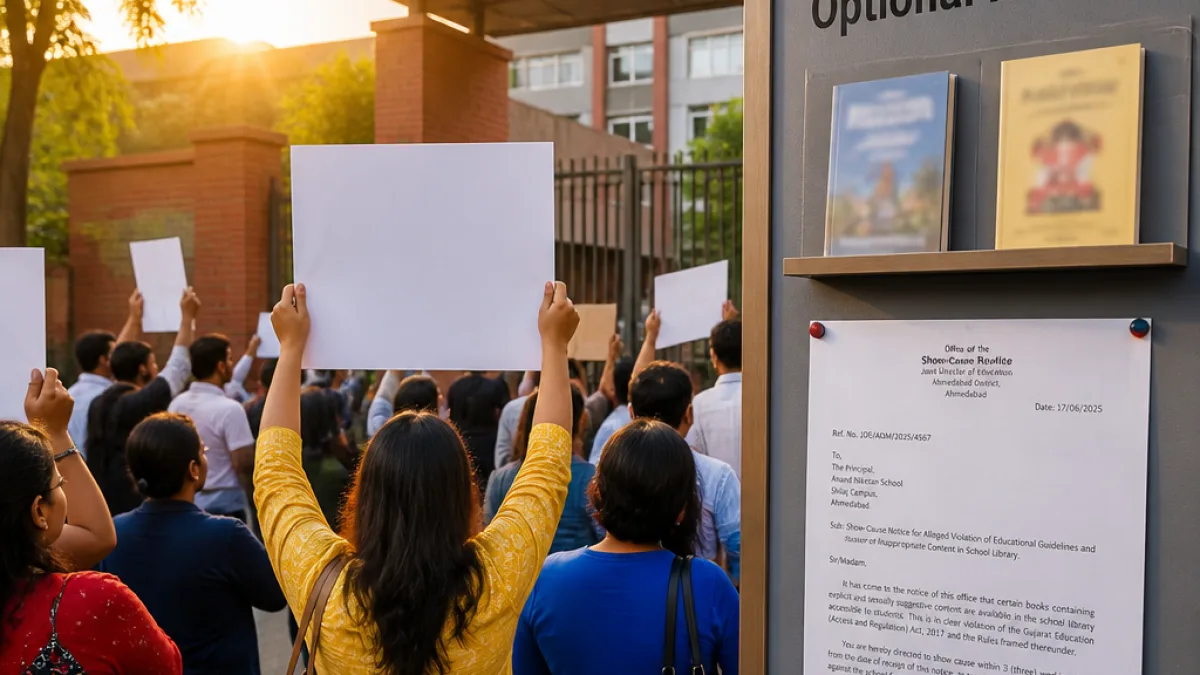
Controversy at Anand Niketan Shilaj: curriculum items marked optional and consultant relieved
AHMEDABAD — Following protests by parents and a show-cause notice from the District Education Officer (DEO), Ahmedabad, the management of Anand Niketan School, Shilaj campus, has declared books by Malala Yousafzai and Anne Frank as optional reading and terminated its consultant who was engaged as a curriculum designer and teacher trainer.
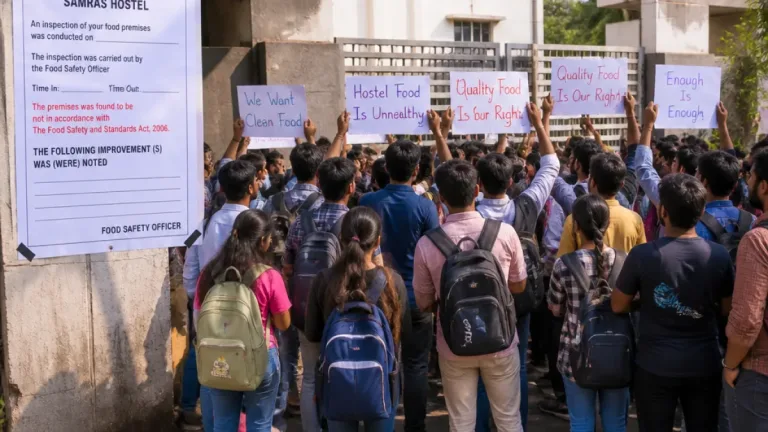
Parents staged demonstrations outside the school on August 11 after a student allegedly found a piece of glass in food served at the campus a day earlier. The protests escalated as some parents accused the school of discriminating against students of a particular faith by making books by the Nobel laureate Malala and German-born Jewish Holocaust victim Anne Frank compulsory, allegations the school has denied.
"We respectfully clarify that the literary works of internationally recognised authors, including Malala Yousafzai and Anne Frank, are included in the optional Book Club/Library intended solely to encourage reading and literary appreciation," the school's management said in a response to the DEO's notice.
The DEO, Ahmedabad, issued a show-cause notice seeking clarification about the reported "glass chip" found in the meal. In reply, the school insisted that these titles were part of an optional book club and were not included in the compulsory curriculum. The management added that it remained committed to complying with all applicable rules and regulations.
In a separate development, Anand Niketan's chairman, Kamal Mangal, wrote to the Gujarat Education Minister stating that the school "will not be inviting Ms Munazza Shums for further consultations". Munazza Shums — an alumnus of the school who had served as a curriculum designer and teacher trainer — had been accused by some parents of altering the curriculum to impose the contested titles; the school has now terminated her services.
Local implications and administrative response
The incident has prompted administrative scrutiny at the district level. The DEO's show-cause notice requires the school to explain both the food safety lapse alleged by parents and the curricular concerns raised during protests. The school's written reply reiterates that the questioned literary works were part of an optional reading programme and not mandatory classroom material.
Education stakeholders in Ahmedabad are likely to watch the DEO's follow-up closely, since the case touches on two sensitive areas: student safety in school premises and community concerns over curricular content. Actions by the district education office may set procedural expectations for other private schools in Ahmedabad regarding: safety protocols for on-campus food services, clarity around optional versus compulsory curricular material, and the role of external consultants in shaping school-level syllabi.
- Key administrative responses: DEO issued a show-cause notice; school submitted a written clarification.
- Management action: Consultant Munazza Shums relieved of duties; chairman said she will not be invited for further consultations.
- Curriculum status: Works by Malala and Anne Frank placed in the optional Book Club/Library, not part of compulsory coursework, according to the school.
| Event | Date (as reported) |
|---|---|
| Alleged glass piece found in meal | August 10 |
| Parents protest outside Shilaj campus | August 11 |
| DEO issues show-cause notice | Following protests (date as issued by DEO) |
| School response & consultant termination | Reported August 13–14 |
The management's reply to the DEO states the optional Book Club/Library is "intended solely to encourage reading and literary appreciation" and emphasised compliance with regulations. The chairman's letter to the state Education Minister, cited in media accounts, indicates the school will cease engagements with the consultant in question.
For parents in Ahmedabad, the episode highlights the importance of clear communication from schools about what reading material is compulsory and what is offered as enrichment. It also underscores concerns over food safety measures at private school cafeterias — an issue that often prompts parental action in urban centres.
The DEO’s next steps — whether a fact-finding inspection, requisition of menus and procurement records, or further directives on syllabus transparency — will determine how swiftly the matter resolves and whether any broader compliance directives for city schools follow.
Further official correspondence from the DEO or the Gujarat education department was not provided in the school’s public response cited in reporting.