
Visitor bitten on Whyte Lake Trail seeks care; health officials urge caution
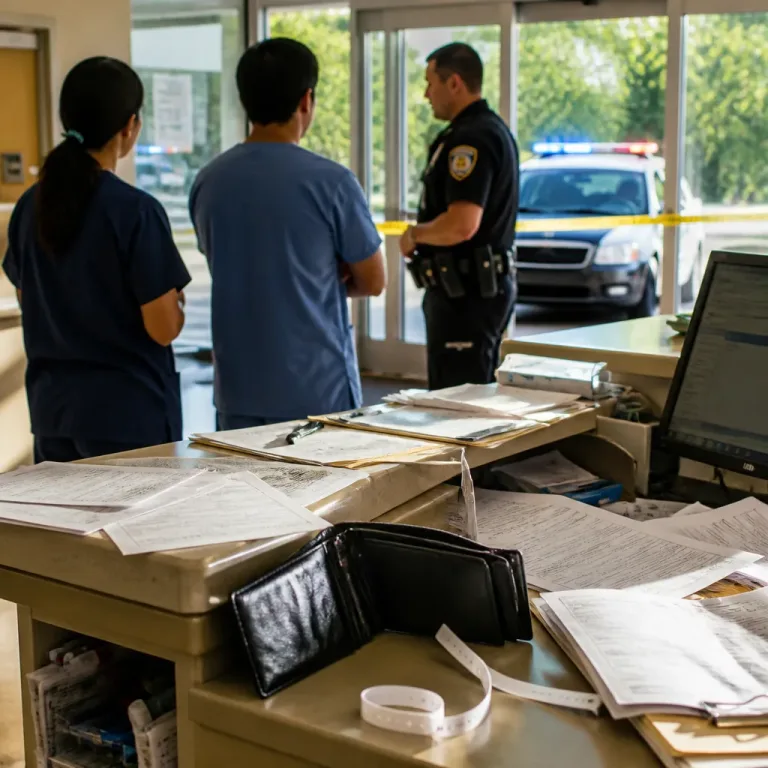
A visitor to West Vancouver is urging fellow trail users to take precautions after being bitten by a bat last week on the popular Whyte Lake Trail. The man, who asked to remain anonymous for medical-privacy reasons, said the encounter prompted an urgent trip to Lions Gate Hospital to be assessed for rabies.
The incident occurred on a Friday afternoon while the visitor and his wife were walking their dogs. He said a black bat swooped in and bit his left hand. Initially he thought the animal was a bird, but once he realised it was a bat he shook it off and noticed a trail of blood.
“I thought it was a bird at first … I would have not done anything had I not heard about the importance of getting a rabies investigation right away.”
He said he had heard about similar bat encounters from friends in recent weeks and that awareness of the potential seriousness of a bat bite prompted him to seek immediate medical attention.
Health authority: seasonal rise in consultations, rabies risk very low
Vancouver Coastal Health and the North Shore medical health officer confirmed there has been an increase in consultations about bat exposures this summer. Dr. Alex Choi, the medical health officer for the North Shore, said the trend is consistent with what is typically seen during the warmer months.
“This is very consistent with what we typically see during the summer. Where there are more bats around and there are more humans doing outdoor activities … there are more bats that come into contact with people on the North Shore.”
Dr. Choi told media that people have been coming in to get checked after bat encounters on different trails across Metro Vancouver. She said it is difficult to determine whether the uptick represents a true increase in exposures or simply greater public awareness prompting more people to seek assessment.
She emphasised that the risk of contracting rabies in British Columbia remains very low. According to Dr. Choi, less than 1% of bats in the province carry rabies. She noted that no other wild animals in B.C. are known to carry the virus, a situation scientists attribute in part to the Rocky Mountains acting as a natural barrier.
What West Vancouver residents should know and do
Local officials stress a clear, simple message: anyone bitten by a bat should seek medical attention right away. Prompt assessment can determine whether post-exposure prophylaxis or other measures are required.
- If bitten or scratched by a bat: seek immediate medical attention.
- Do not handle bats: if you find a bat that has been in contact with a person or pet, contact local public health or animal control for guidance.
- Be especially cautious at dusk and dawn: when bats are most active and trail users may be returning home or walking pets.
Those who encounter bats on trails, in yards, or inside buildings are encouraged to report the incident to Vancouver Coastal Health to ensure proper follow-up and to assist public-health monitoring.
Local context and questions for the community
Whyte Lake Trail is a well-used outdoor corridor for walkers, dog-owners and hikers in West Vancouver. Summer brings more outdoor activity, increasing the chance of human–wildlife interactions. While this bite is a rare event and rabies is uncommon in B.C., the episode underlines the value of awareness and rapid response.
Residents seeking more information about bat exposures and rabies risk can contact Vancouver Coastal Health. For immediate care after a bite, local emergency departments such as Lions Gate Hospital remain the point of first contact.
| Detail | Information from health authorities |
|---|---|
| Location of incident | Whyte Lake Trail, West Vancouver |
| Where the visitor sought care | Lions Gate Hospital |
| Rabies prevalence in bats (B.C.) | < 1% |
As summer continues, public-health officials advise West Vancouver residents and visitors to stay alert on trails and to treat any direct contact with bats as a medical concern rather than a curiosity.