Big transformer aimed at keeping power ahead of Vancouver growth
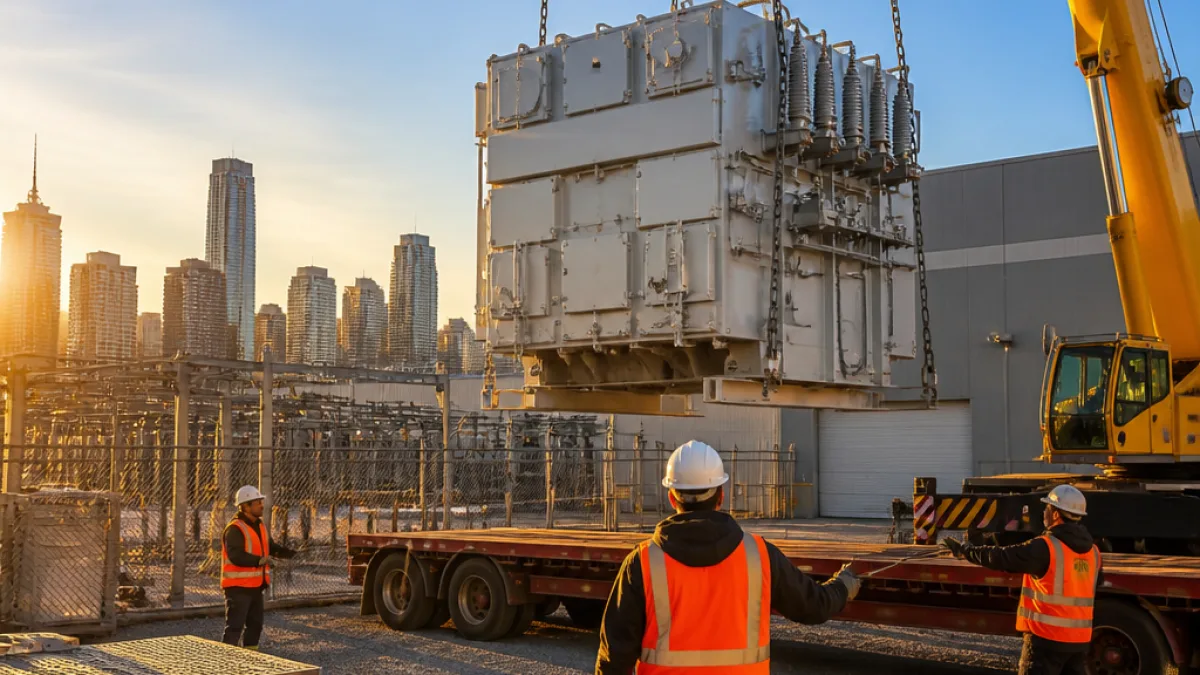
VANCOUVER — BC Hydro plans to install a new, two‑storey transformer at the Mount Pleasant substation in a project valued at $90 million, the Crown utility announced Friday. Officials say the upgrade is designed to boost capacity on a part of the grid that serves more commercial and industrial customers than any other urban substation in the Lower Mainland.
The utility and provincial officials framed the investment as a necessary step to ensure electricity supply keeps pace with the city's expanding population and the growing energy demands of businesses, including major technology infrastructure coming to the neighbourhood.
“We’re making sure that as the city grows, as British Columbia grows, our electricity network grows with it,”
Energy and Climate Solutions Minister Adrian Dix said, adding that the upgrade will provide enough power to serve the equivalent of about 50,000 homes. BC Hydro vice‑president Melissa Holland noted that the substation was originally built in 2014 with future growth in mind; two transformers were installed then and space was preserved to accommodate a third.
The Mount Pleasant area has emerged as a hub for new development. Telus is building a large artificial‑intelligence data centre nearby that is expected to come online later this year — a factor BC Hydro cited as part of the rationale for the upgrade. The new transformer will be installed inside the existing substation building, an approach BC Hydro says is an efficient way to expand capacity while using land and infrastructure already in place.
- Project cost: $90 million
- Estimated capacity added: Power for about 50,000 homes
- Site: Mount Pleasant substation, Vancouver
- Timeline context: Substation originally built in 2014 with space for a third transformer
The scale of the new transformer — described by BC Hydro as roughly two storeys high — reflects the substantial physical footprint that high‑capacity electrical equipment requires. Holland said using the existing building and land helps control costs and minimise additional siting or permitting challenges.
| Item | Detail |
|---|---|
| Project value | $90 million |
| Capacity impact | ~50,000 homes |
| Existing substation built | 2014 (with two transformers and space for third) |
City planners and utilities across the region have been wrestling with how to accommodate rapid electrification, population growth and new, energy‑intensive facilities such as data centres. While the announcement does not spell out a detailed schedule for installation or temporary impacts to nearby streets or customers, BC Hydro emphasised the intention to make the upgrade within the footprint of the existing site.
For Vancouver residents, the project signals a continued push to align infrastructure with the city’s evolving needs. The decision to invest heavily in a central urban substation underlines how utilities are prioritising upgrades where commercial, industrial and residential demands intersect.
Local businesses and developers will be watching the work closely. For companies planning large‑scale computing or AI operations, reliable and expanded capacity at hubs such as Mount Pleasant is a prerequisite to moving forward. For neighbourhood residents, the project raises questions about how construction will be managed and whether upgrades will translate into more resilient service during heat waves or other peak‑demand events.
BC Hydro’s approach — adding capacity within an existing facility rather than building a new site — is consistent with broader goals to limit land use impacts and to leverage previously planned expansion space. As Vancouver continues to attract tech investment and housing growth, such upgrades are likely to remain a recurring part of the city’s near‑term infrastructure agenda.