
University of Toronto staff vote overwhelmingly for strike; classes could be disrupted
More than 6,100 administrative and technical employees at the University of Toronto are poised to walk off the job after a union vote gave the negotiating committee a strong strike mandate, a development that could unsettle the start of the academic year in Canada’s largest city.
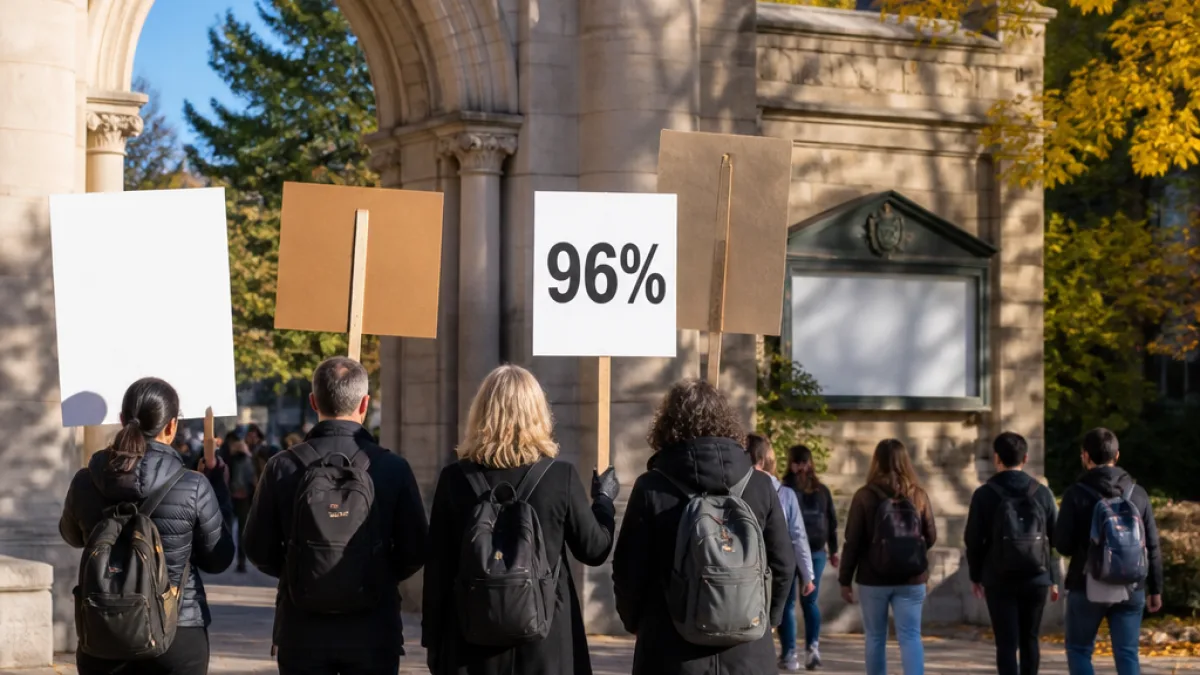
The United Steelworkers Local 1998 said 96 per cent of ballots cast by staff in the university's staff-appointed unit favoured strike action. Voter turnout among that group was reported at 75.1 per cent, the union added, giving its bargaining team a clear mandate to press demands at the negotiating table.
| Figure | Number |
|---|---|
| USW Local 1998 members | 6,100+ |
| Ballots in favour of strike | 96% |
| Turnout (staff-appointed membership) | 75.1% |
| University claimed savings from not replacing employees | $20 million |
What's at stake
The workers represented by Local 1998 include a wide range of campus professionals — IT staff, undergraduate and graduate program coordinators, academic advisors and lab assistants — roles that organisers say are critical to daily operations and to keeping classes and research functioning smoothly.
The union says many members already face heavy workloads and that proposed university savings plans, including a reported $20-million reduction through not replacing departing employees, would exacerbate staffing pressures.
"U of T says it will find $20 million in savings next year by not replacing employees who leave the university. That will worsen the heavy workload burden that many of our members already face," the union quoted John Ankenman, president of Local 1998, as saying.
Union officials also said they are at an impasse with the university on several other issues, including wage increases to match the rising cost of living, health-care benefits, remote work arrangements and protections related to artificial intelligence. The union noted bargaining had been ongoing for two months with the parties still "far apart" on those topics.
University response and broader context
A University of Toronto spokesperson provided a brief statement to the media, noting the institution "values and respects the work of employees in USW Local 1998" and pointing out that the university has a history of renewing collective agreements with the union over more than two decades. The university said it looks forward to "ongoing constructive discussions" as bargaining continues.
For students and instructors, the timing is sensitive: the union indicated the deadline for contract negotiations is shortly after midnight on Tuesday, the first scheduled day of classes, after which it could formally call a strike. If a job action proceeds, services such as academic advising, program coordination, lab support and information technology assistance could be disrupted.
Toronto-area commuters and families who rely on campus services — from childcare and health services to laboratory-based research and community outreach programs — could also feel knock-on effects. The scale of the membership and the high ballot support underline the seriousness of the labour dispute and the pressure both sides face to reach a deal quickly.
Implications for campus and the city
- Operational impact: Roles cited by the union are integral to course delivery and research activity; a strike could delay or complicate the start of term for students across U of T’s campuses.
- Negotiation dynamics: A decisive strike mandate strengthens the union's bargaining position and raises the stakes for the university as it considers financial and operational contingency plans.
- Public expectations: With increased public scrutiny on post-secondary funding and labour conditions, the dispute may prompt calls for faster resolution from students, faculty and municipal stakeholders.
As bargaining proceeds, attention will focus on whether the university and Local 1998 can narrow their differences over job security measures, compensation and workplace protections. For now, thousands of staff and students in Toronto face an uncertain opening week, with potential disruptions hinging on whether either side can bridge the remaining gaps before the midnight deadline.
Further reporting will track any formal strike notice, contingency plans from the university and how campus services might be maintained if negotiations stall.













