Tim Curry, the actor whose work in stage, film and television became touchstones of cult pop culture, has died at the age of 80. His performances — equal parts comic precision and fearless camp — threaded through family living rooms, midnight screenings and television specials, creating a cultural shorthand that connected generations.
From household tapes to cult rituals
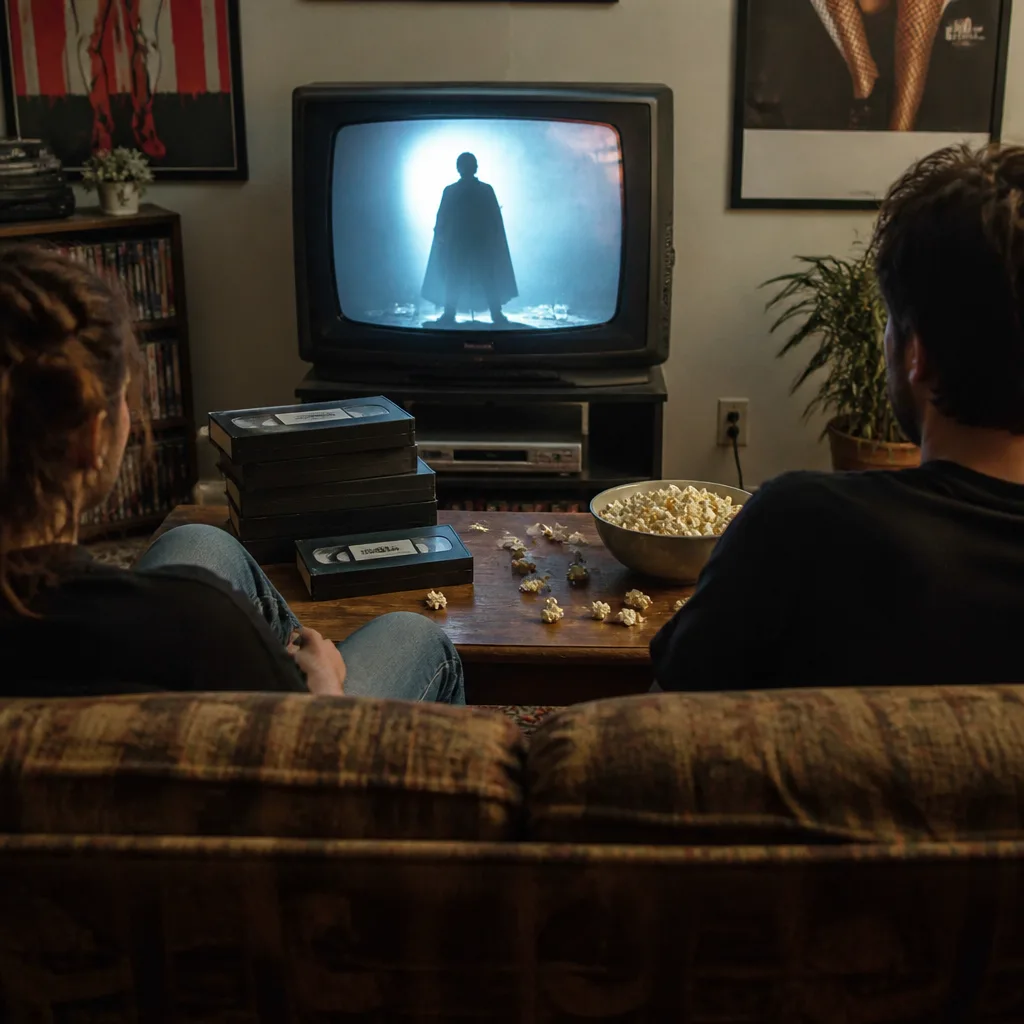
For many, Curry’s presence on screen arrived not as a single landmark but as a series of recurring moments taped from the television: a comfort and a thrill played back on weekend repeats and rewound on VCRs. The writer of the personal essay from which these details are drawn recalls being captivated by Curry’s comic timing as the butler in "Clue" (1985), returning to that performance weekly. That pattern — of one actor anchoring multiple, very different productions — is part of why Curry’s death registers so widely.
"Tim Curry, the actor who starred in the cult classic musical as Dr. Frank-N-Furter, died Tuesday at 80."
That single sentence encapsulates a professional life that spanned decades and media. Curry’s roles could be sinister, seductive, hilarious or utterly absurd, and they often combined those elements in ways that made them resonant for viewers of all ages. The essay notes that Curry’s work connected siblings who otherwise had little in common: one sister memorised the steps of the Time Warp and the other learned to join in over time. Shared pop-culture rituals — whether nightly TV staples or special holiday broadcasts — are how many families establish common ground, and Curry’s performances seemingly provided that bridge for the writer and her younger sister.
Notable screen appearances that stayed in rotation
The essay highlights several productions that kept Curry in weekly viewings and seasonal rotations in the household it describes. They include:
- "The Rocky Horror Picture Show" — the cult musical that served as the central cultural reference
- "Clue" (1985) — Curry’s comic turn as a butler that became a repeat viewing favourite
- Television specials such as the campy Halloween-themed segment where Curry performed "Anything Can Happen on Halloween" and a Disney Channel-penned special, "The Worst Witch", which resurfaced seasonally
Those programmes illustrate how an actor’s work can permeate the domestic sphere: taped broadcasts, ritualised holiday viewings and the passing-on of favourites between siblings and friends. The essay’s author remembers pressing the VCR rewind to re-watch a favourite moment, an image of media consumption now nostalgic in itself.
Legacy and cultural consequences
Curry’s passing invites reflection on how cult status forms and endures. Unlike blockbuster stars whose recognition is often a function of box-office totals, cult icons accumulate influence through repeated, idiosyncratic rituals: late-night screenings, singalongs, cosplay and household traditions. Those practices turn performances into shared language. In the personal account here, Curry’s characters became mnemonic anchors — the means by which two sisters who rarely agreed could nevertheless find a nightly truce and, eventually, a shared cultural memory.
His work also underscores the porous boundary between family entertainment and subcultural devotion. Films and television specials that might have been incidental parts of youth can later be reappraised as cult artefacts, their status reinforced by communal viewing and the personal stories they help create.
| Production | Role/Note |
|---|---|
| "The Rocky Horror Picture Show" | Cult musical that anchored the writer’s shared memories with her sister |
| "Clue" (1985) | Noted for Curry’s comic performance that inspired repeat visits |
| Seasonal TV specials | Included Halloween-themed performances and family-viewing staples |
Fans, colleagues and cultural commentators will assess Curry’s oeuvre in the days ahead, but the immediate picture is one of a performer whose roles lived in the routines of ordinary households as well as in midnight cult rites. For those who grew up with his work on repeat, his death is not only a professional loss but the quiet closing of an audio-visual loop that shaped sibling rivalries, friendships and introductions to alternative, irreverent performance.
As celebrations and remembrances unfold, Curry’s place in a certain lineage of British performers who embraced theatricality and camp will be revisited — and the particular intimacy of taped television, VCR rewinds and neighbourhood Halloween rituals will be a recurrent theme in how people recall him.