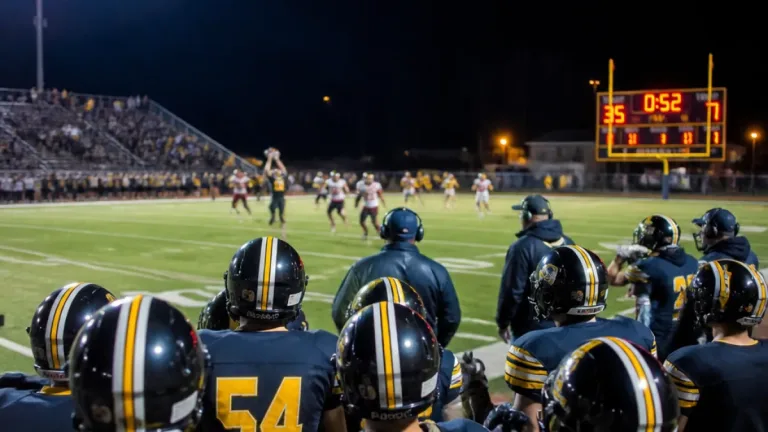

Several U.S. states have begun channeling taxpayer dollars into university athletic departments as college sports face mounting financial pressure from athlete compensation and escalating operating costs.
Public money to ease athletic budgets
In the latest example of this trend, the University of North Carolina at Chapel Hill is receiving $3 million derived from state sports betting taxes to support its athletics program. In Wisconsin, lawmakers approved $15 million to assist the University of Wisconsin’s athletic expenses. Connecticut and Louisiana have also adopted measures to use public funds to subsidize collegiate sport operations.
The funds are not direct payments to individual athletes. Instead, state appropriations and earmarks are being used to cover facility projects, administrative costs and other items historically borne by colleges themselves. By shouldering some of those expenses, the states are effectively freeing university funds that could be redirected or used to meet the new financial demands of paying athletes under name, image and likeness (NIL) arrangements and other compensation structures.
Why governments are stepping in
Collegiate athletics economics have shifted dramatically in recent years. As universities and conferences negotiate large media deals and high-profile coaching salaries, the cost base for athletic departments has also risen. Simultaneously, NIL rules and other changes have allowed student-athletes to earn money — increasing pressure on institutions to remain competitive.
Lawmakers and state administrators say channeling public dollars toward athletics can preserve statewide economic benefits tied to big-time sport — from tourism and game-day revenue to recruitment and branding effects for flagship universities. Critics argue the move diverts scarce public money away from core services such as education, health care and infrastructure.
- Funds reported so far: $3 million to North Carolina (sports betting tax), $15 million approved for Wisconsin athletics.
- Other states mentioned as participants: Connecticut and Louisiana.
- Purpose: cover facilities and administrative costs, freeing institutional funds for athlete-related payments and other needs.
| State | Amount | Source or purpose |
|---|---|---|
| North Carolina | $3 million | Sports betting tax earmark for athletics |
| Wisconsin | $15 million | Legislative appropriation for university athletic costs |
| Connecticut | Not specified | Public funds used to support college athletics |
| Louisiana | Not specified | Public funds used to support college athletics |
The practical effect is that institutions can reallocate internal revenue — including tuition, donor dollars and athletic department receipts — toward increased athlete compensation or to bolster competitive programmes. That dynamic has prompted debate over equity and priorities: should taxpayers underwrite an arms race in college sport, or should athletics be expected to be financially self-sufficient?
Implications for the sport and universities
For high-profile programs, the infusion of public money may blunt immediate budgetary pressure and help retain competitive advantages in recruiting and facilities. For smaller programs or public universities in fiscally stressed states, however, reliance on government support could create uneven playing fields and expose athletic departments to political cycles and budgetary negotiations beyond the control of university leaders.
There are also questions about accountability and transparency. When state funds are used for arenas, infrastructure or administrative costs, oversight mechanisms differ from private fundraising and university budgeting processes. That could lead to renewed scrutiny from auditors, legislators and the public — particularly if athletics spending rises while other state priorities face cuts.
As college sport continues to evolve, the trend of public funding marks a significant policy shift. It underscores the growing intersection between government revenue sources — such as sports betting taxes — and the high stakes of modern collegiate athletics. That convergence will likely generate further debate as states weigh economic benefits against competing public needs.