The provincial government has formally raised concerns with the Municipality of the County of Colchester over what appears to be a steady pattern of council business conducted behind closed doors.
Province asks council to review in‑camera practice
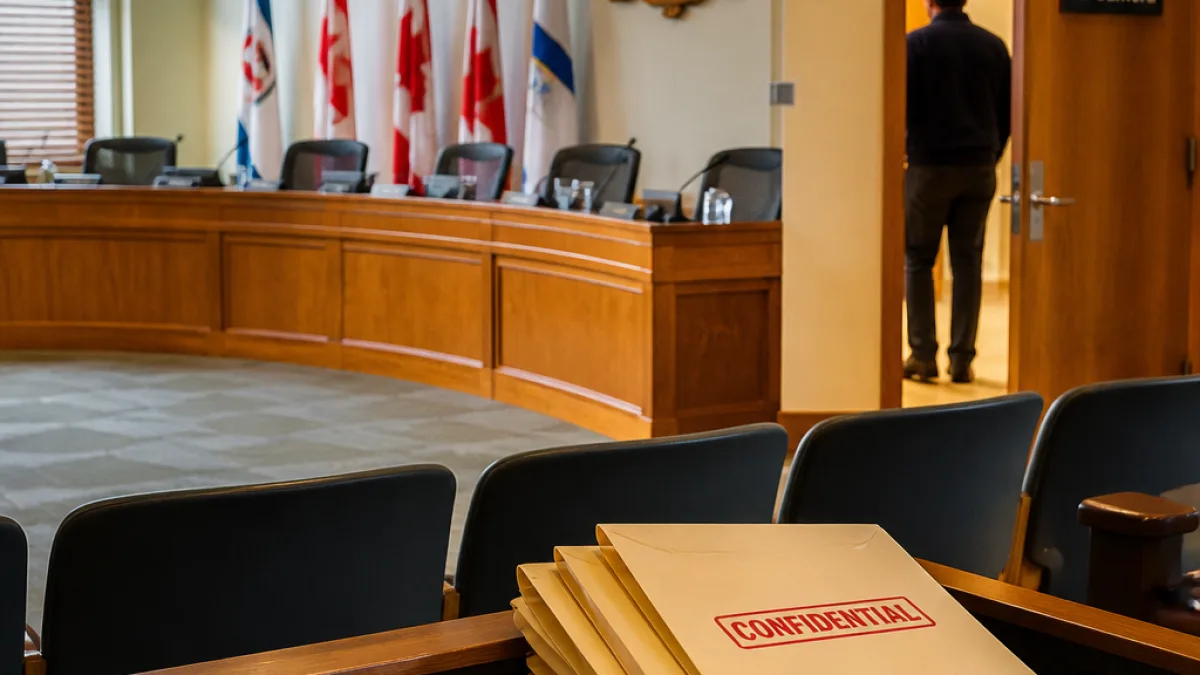
Municipal Affairs Minister John MacDonald sent a letter to Colchester council in July advising members that questions had been raised about their use of in‑camera meetings. In a followup to media inquiries, the department told CBC News officials noted that every regular council meeting over the past year included at least one agenda item discussed without the public and most municipal staff present.
"It has come to my attention that some of these meetings may not fully align with the established guidelines governing what matters are permitted to be discussed in camera,"
The province said the topics discussed in closed session ranged from legal and property matters to operational discussions linked to the Rath Eastlink Community Centre. The letter, the province said, was intended to encourage a review of current practices rather than to signal a formal finding of contravention of the Municipal Government Act.
Local leaders defend confidentiality for sensitive issues
Mayor Christine Blair pushed back on the suggestion that the municipality was acting improperly, saying confidential sessions allow councillors and staff to speak more freely about sensitive matters.
"I don't know why that letter was written. I have no idea where it came from because we are strict with our closed‑session issues,"
The mayor also said she had asked the minister for more detail about the concerns and that questions about the legal interpretation should be directed to the municipality’s legal adviser.
What was discussed behind closed doors?
Publicly available information indicates in‑camera items over the past year covered several categories. The province and the municipality referenced these topics without specifying counts or the details of individual items.
| Category | Examples cited |
|---|---|
| Property | Land negotiations and property matters |
| Legal | Legal advice and potential litigation |
| Operational | Matters relating to the Rath Eastlink Community Centre |
Transparency, trust and municipal practice
Municipal councils regularly balance the need for open government with legitimate reasons for confidentiality — solicitor‑client privilege, contract negotiations, and personnel matters are commonly cited exemptions from open‑meeting rules. But the province’s letter signals that the frequency and scope of closed sessions in Colchester drew attention.
For residents and watchdogs, the concern is straightforward: when too many decisions, discussions or deliberations occur out of public view, the democratic checks that come from scrutiny, media coverage and public input are diminished. For councillors, confidential settings can provide necessary space to deliberate legal strategy or sensitive personnel issues without risking prejudice or disclosure.
- What the province asked: a review of council’s in‑camera practices to ensure alignment with established guidelines.
- Municipal response: mayor defended use of closed sessions and sought clarification from the minister.
- Next steps: the minister indicated questions should be directed to the municipality’s legal adviser; the letter was not described as a formal finding of a breach.
Local consequences and questions for residents
The exchange between the province and the municipality will likely lead to closer scrutiny of council agendas and minutes. Residents who follow municipal governance should watch for any changes to public reporting of council business, clarifications in the municipality’s closed‑session policy, or legal advice made available about what qualifies for in‑camera discussion.
For those interested in municipal transparency, useful actions include reviewing council agendas and minutes, attending open portions of council meetings, and asking council to specify under which Municipal Government Act exception a matter is being considered in camera.
At a time when local halls and arenas are central to community life, from recreation to economic activity, how decisions are made — and whether the public can see them — matters. The province’s letter is a reminder that municipal practice and public expectations of openness are in conversation; how Colchester council responds will shape that dialogue locally.
Further developments may include a formal municipal review, guidance from legal counsel, or communication from the province clarifying its concerns. Until then, the exchange underscores the tension municipal governments across Nova Scotia navigate between confidentiality and transparency.