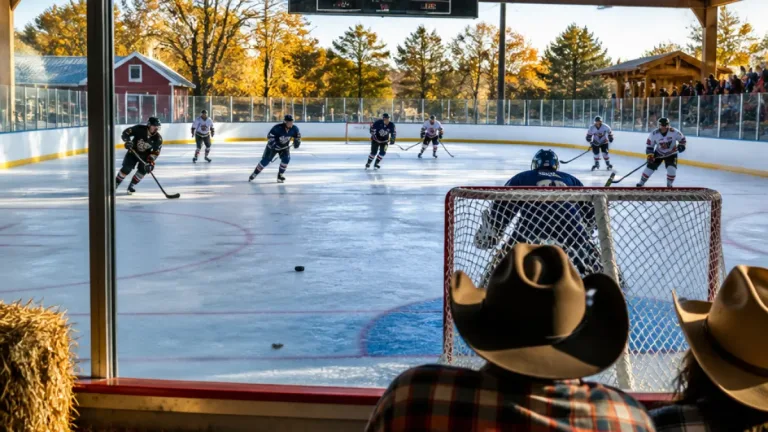
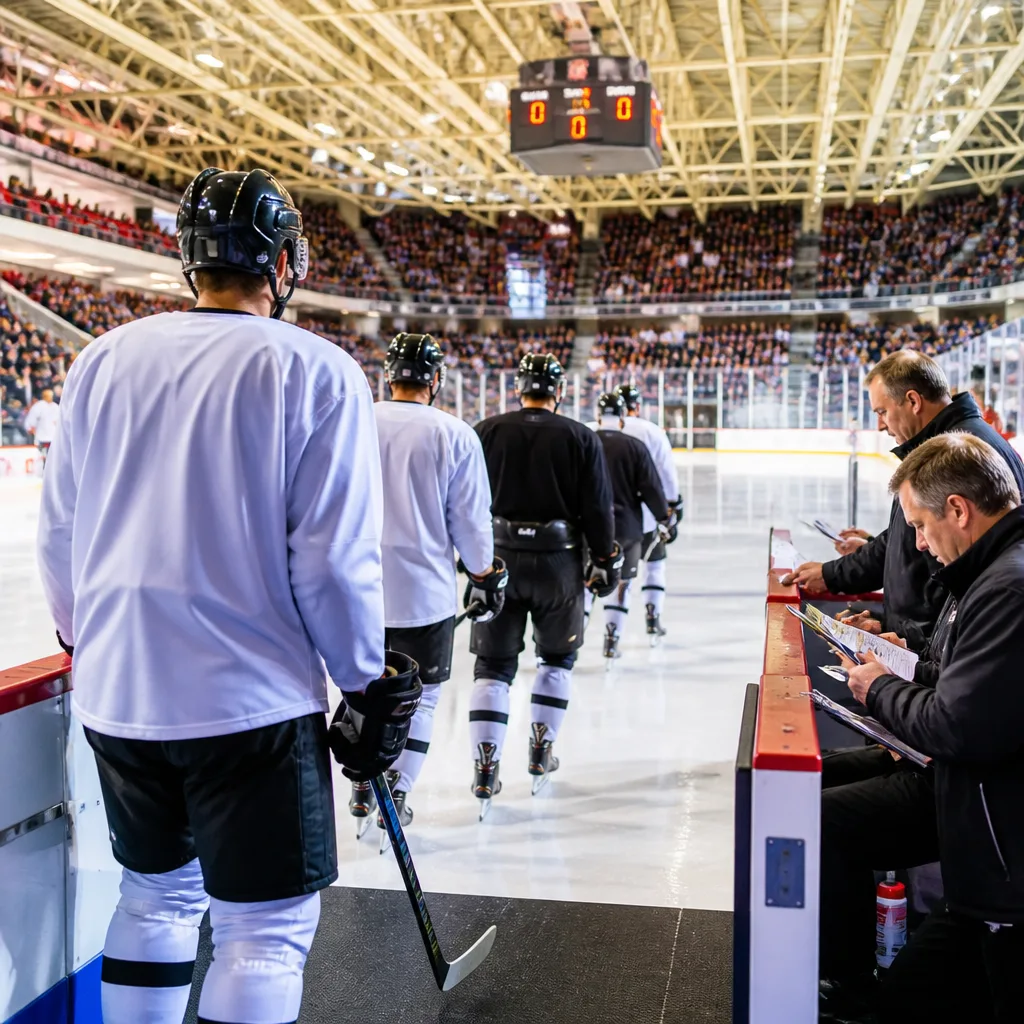
The Edmonton Oilers will open the pre-season tilt with the Calgary Flames deploying a rookie group that leans toward age and experience rather than raw youth, the club announced Monday. The choice reflects a deliberate emphasis on players who have already logged meaningful junior or minor-pro minutes rather than relying purely on first-year prospects straight out of junior ranks.
What the move signals
Putting a more veteran rookie squad on the ice for an early matchup with a provincial rival is a pragmatic, short-term approach that can have several downstream effects. Coaches often favour steadier, more physically ready youngsters in September because they are more likely to handle the jump in pace and physicality. That can simplify evaluation and reduce the variance that comes with younger, less mature prospects.
For the Oilers, the decision serves multiple purposes: it gives the coaching staff a cleaner look at which depth pieces are close to NHL-ready, protects younger prospects from being rushed into situations that might hamper development, and allows the club to keep key conversations — about who will occupy third-, fourth-line or bottom-pairing roles and who will return to junior or the minors — on a more measured timetable.
Roster battles and development priorities
Rookie showcase games in training camp are rarely just about winning; they are an extended audition. By choosing a more veteran rookie contingent, Edmonton is prioritizing readiness, competitive polish and the ability to contribute in short-notice spots. That may reduce the number of surprise candidates who force their way onto the Opening Night roster, but it also decreases the risk of exposing younger players to failings that could affect confidence and long-term progress.
There are trade-offs. A veteran-leaning rookie group tends to compress evaluation windows — established minor-league veterans may look NHL-ready in a short sample yet still lack the ceiling of a younger, higher-upside player. Teams must weigh immediate coverage and contingency plans for injuries against the broader objective of cultivating top-tier talent over multiple seasons.
- Immediate-readiness: Older rookies are typically more prepared to handle pro pace and responsibility.
- Long-term upside: Younger prospects may offer higher ceilings but require careful development.
- Roster control: Using experienced rookies can clarify who is truly NHL-ready and who needs more seasoning.
Context within the Battle of Alberta
The Flames and Oilers clash in pre-season offers a low-risk stage to evaluate personnel in a competitive setting, and for Edmonton it doubles as a chance to present depth options against a familiar opponent. Rivalry games—pre-season or otherwise—also provide a useful stress test for younger players' composure and for veterans' leadership in tight-checking, emotionally charged matchups.
For fans and media, the choice to favour a more veteran rookie cohort will draw attention to how the Oilers balance short-term contingencies with longer-term talent-building. It also crystallizes a common once-a-year puzzle for NHL clubs: how to use exhibition games to both protect prospects and produce actionable evaluation data.
What to watch next
Key indicators over the next few days will include which players are thrust into heavy minutes, how coaching staff allocate special teams duties in pre-season, and whether any veteran rookies make a compelling case for a depth role or emergency call-up. The answers will shape early roster moves and could influence whether younger prospects remain in junior or head to the minors for further seasoning.
| Focus | What it reveals |
|---|---|
| Ice time allocation | Staff confidence in a player's immediate readiness |
| Special-teams deployment | Trustworthiness in high-pressure situations |
| Matchup performance vs. Flames | How a player fares against a rival and in a heated environment |
Using veteran rookies in an early exhibition against Calgary is an understandable, conservative tactic that prioritizes preparedness and clarity in evaluation. The real story will emerge as camp progresses and the club decides which players stay, which return to development routes and how those decisions shape the Oilers’ depth as the regular season approaches.