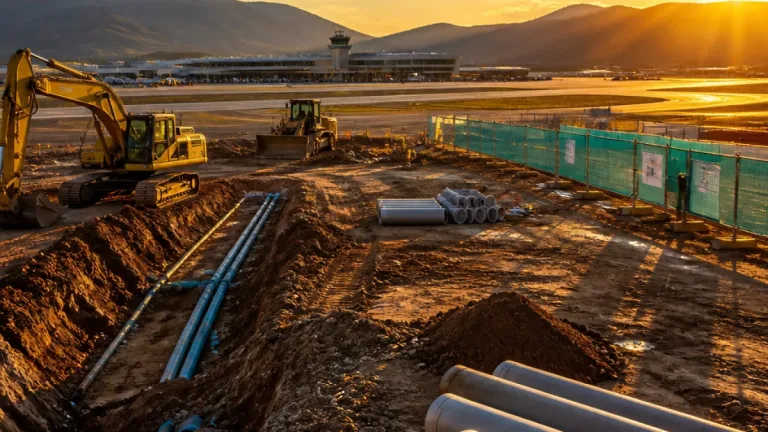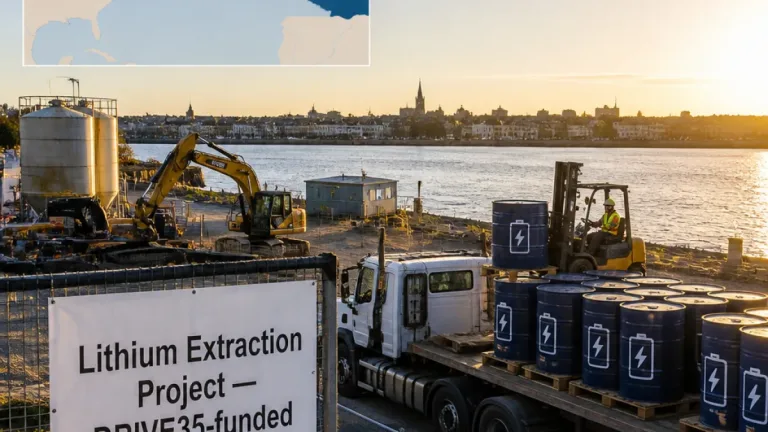

The Port of Montreal’s long-anticipated expansion has moved from planning to physical construction, with workers assembling a stone jetty along the St. Lawrence River at Contrecoeur — a site downriver from Montreal in the Montérégie region — as the first visible sign of the $2.3-billion project.
What is under way
Port officials say the initial marine works will create a platform to stage machinery for building a new wharf and will later be converted into the surface of a shipping-container yard. So far, about 250,000 tonnes of stone have been delivered to the site, with thousands of tonnes more expected in coming months.
"This is a project that is moving forward," said Julien Baudry, a spokesperson for the Montreal Port Authority, noting recent milestones.
The federal government designated the Contrecoeur terminal as one of its fast-tracked “nation-building” projects. The Port of Montreal secured a $1.16-billion loan from the Canada Infrastructure Bank in April and last September signed a joint development agreement with terminal operator DP World.
Capacity and timelines
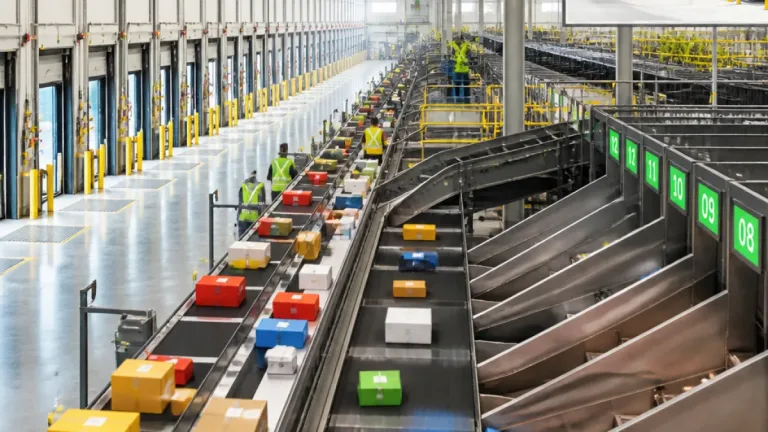
At completion — operations are slated to begin in 2030 — the new terminal is expected to increase capacity at the port by roughly 60 per cent, handling up to 1.15 million containers a year. Port officials say the facility will help manage container traffic for Canada’s second-largest port and expand throughput that is now constrained by existing infrastructure.
- Project cost: $2.3 billion
- Loan from Canada Infrastructure Bank: $1.16 billion
- Expected container capacity: up to 1.15 million annually
- Operations start: 2030
The Port of Montreal invited media for an on-site visit this week to show the preparatory work already under way. The visible construction — beginning with the jetty in the river — is intended to provide the operational base for heavy equipment and to protect the new wharf during its construction.
Local and regional context
Contrecoeur sits downriver from the city of Montreal in Montérégie, a region whose waterfront infrastructure is closely tied to Montreal’s role as an inland port and logistics hub. The terminal’s construction will have direct implications for traffic patterns, marine operations and local labour demand in the short and medium term.
Beyond immediate construction impacts, proponents argue the terminal will relieve pressure on existing facilities in Montreal and support trade flows linking the city to national and international markets. For residents and businesses in the wider Montreal region, that could translate into greater reliability for imports and exports that flow through the port complex.
| Item | Figure |
|---|---|
| Project cost | $2.3 billion |
| Canada Infrastructure Bank loan | $1.16 billion |
| Projected annual container capacity | Up to 1.15 million |
| Estimated capacity increase for Port of Montreal | About 60% |
| Target start of operations | 2030 |
Questions ahead
While the project has cleared major financing and a development agreement, several local considerations will shape its course. Residents and municipal authorities typically scrutinize large riverfront projects for their effects on traffic, environment, marine navigation and local economies. The Port Authority’s early site work signals a move into a construction phase that will require ongoing permits, monitoring and community engagement as the timeline progresses toward 2030.
For Montrealers, the Contrecoeur terminal represents both a substantial public infrastructure investment and a test of how expanded port capacity will be integrated with regional transportation networks and environmental safeguards in the coming years.
The Port of Montreal and its partners have emphasised the project’s national importance, framing the expansion as part of a broader federal effort to fast-track strategic infrastructure. Local stakeholders will be watching the pace of construction, procurement and planning as the work proceeds along the St. Lawrence.