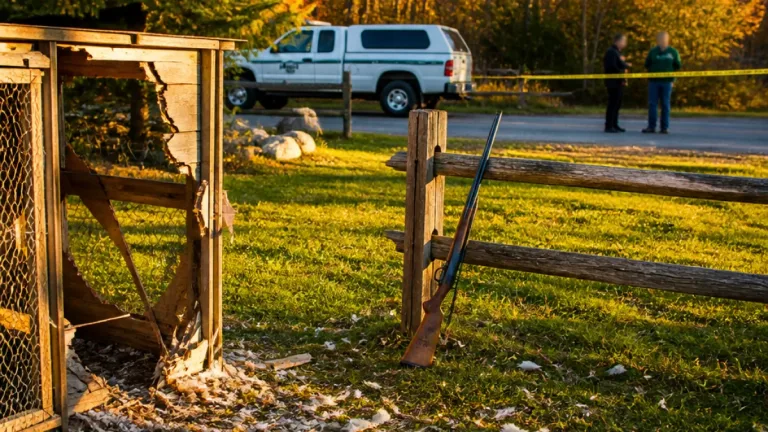
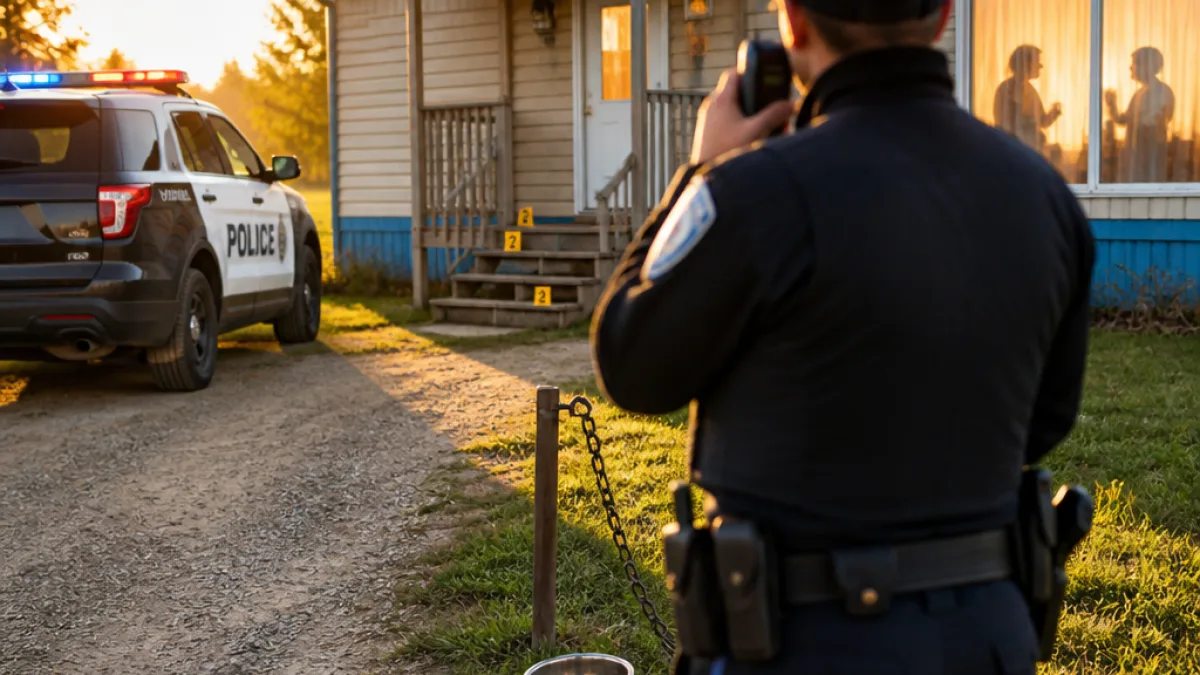
The Independent Investigation Unit of Manitoba (IIU) has concluded there will be no criminal charges against a Manitoba First Nations Police Service officer who shot and killed a dog in Swan Lake First Nation last year, but the watchdog is supporting a recommendation that the officer receive additional training on less‑lethal uses of force.
Sequence of events
According to the IIU report released Monday, the officer attended a home in Swan Lake First Nation in June 2025 to make an arrest. While leaving the property after that initial attendance, the report says the officer was bitten by a dog. The homeowner told investigators the officer had initially asked to look around the property for a family member who was not present and had indicated he would return with a warrant.
The report says the officer returned to the home about 10 minutes after the bite, this time armed with a high‑powered rifle, and shot the dog while it was chained up outside the residence. Family members, including children, were inside the house at the time; someone inside the home told investigators they drew curtains and moved children away from the window when they saw the officer with the firearm.
Investigators confirmed the officer's assertion that the dog had bitten another person the day before the shooting.
Watchdog findings and recommendation
The IIU determined the available evidence did not support laying criminal charges against the officer. At the same time, the unit endorsed a recommendation that the officer receive more instruction and training on the use of less‑lethal force, signalling concern about whether all appropriate options had been considered before the decision to use a firearm.
The public release of the IIU report did not identify the officer by name. It also noted the Manitoba First Nations Police Service was the officer's employer.
Community safety and oversight
The incident raises questions that go beyond the individual encounter: how police on reserve manage animal encounters, what de‑escalation and non‑lethal options are available and used, and how officers are trained to make rapid decisions in residential settings where children may be present.
Those concerns intersect with longstanding public interest in how policing is practised on First Nations in Manitoba, where relationships between Indigenous communities and law enforcement can be strained. The IIU decision to recommend training indicates the watchdog found room for improvement even where criminal charges were not warranted.
What the report documents
- Officer attended a home in Swan Lake First Nation in June 2025 to make an arrest.
- Officer was bitten by a dog as he left the property.
- Officer said the dog had also bitten someone the day before; investigators confirmed this.
- Officer returned about 10 minutes later and shot the dog with a high‑powered rifle while it was chained up.
- Family members and children were inside the home during the shooting.
- IIU decided no criminal charges would be laid, and recommended additional less‑lethal training.
Timeline (as set out in IIU report)
| Action | Timing |
|---|---|
| Initial attendance at residence to make arrest | June 2025 |
| Officer bitten while leaving property | Shortly after initial attendance |
| Officer returns to property with rifle | About 10 minutes after the bite |
| Dog shot while chained up | At return visit |
| IIU public report and recommendation | Released Monday |
Implications
The IIU's public statement underscores the dual role such investigations play: determining whether criminal conduct occurred and identifying opportunities to reduce future harm through changes in policy or training. By declining to press charges while still urging further instruction in less‑lethal options, the unit has signalled concern about the tactics used without concluding the officer's conduct was criminal.
For residents of Swan Lake First Nation and neighbouring communities, the incident may prompt renewed calls for clarity on how police respond to animal encounters and how families can expect officers to act when firearms are present near homes and children.
Neither the IIU report nor the public release included details about any disciplinary action or internal review by the Manitoba First Nations Police Service beyond the recommendation for additional training.
As this matter moves from investigation to potential policy response, community groups and policing authorities will likely be watching how the recommended training is implemented and whether further steps are taken to prevent similar incidents.
This report adds to a string of IIU findings in recent years that have questioned officer tactics while stopping short of criminal charges, a balance that often leaves communities seeking both accountability and procedural change.