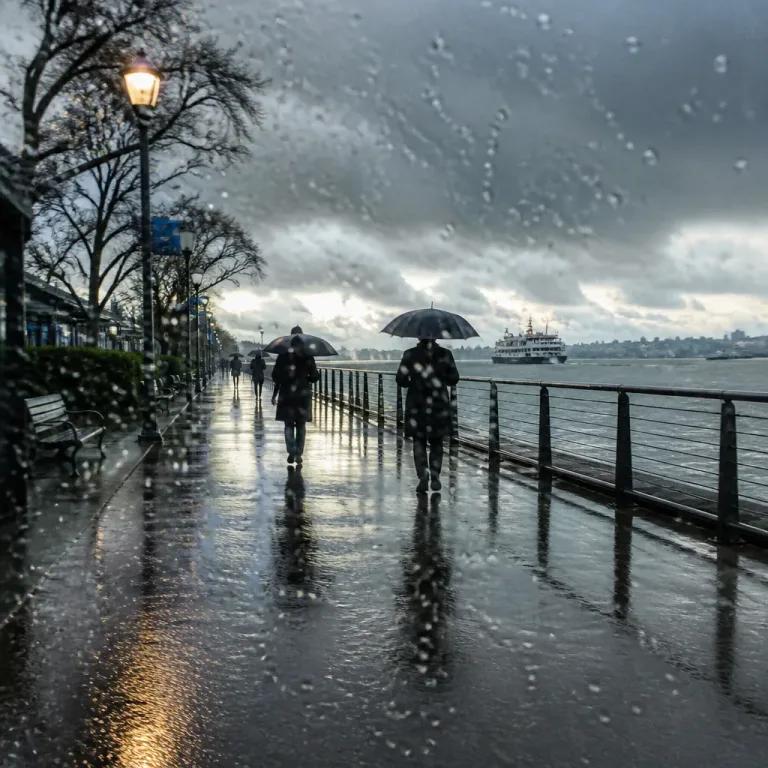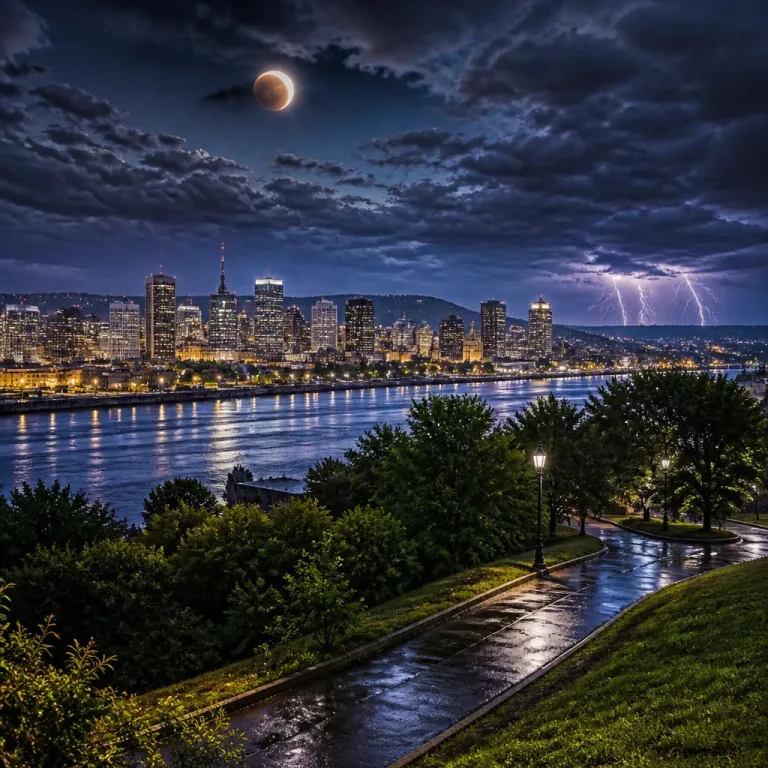
An unusually strong storm swept through southern British Columbia overnight, producing intense lightning, heavy rainfall and gusty conditions that left thousands without power and disrupted travel across the region.
Widespread outages, airport disruptions
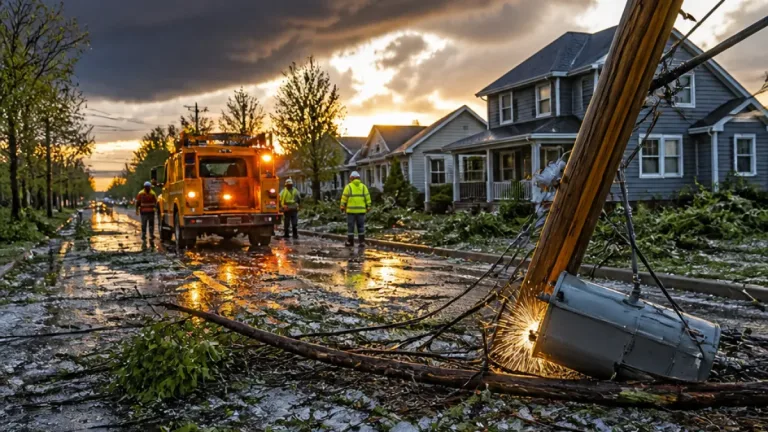
Environment Canada issued severe thunderstorm warnings for Metro Vancouver, Whistler, the Southern Gulf Islands and parts of Vancouver Island as the system moved across the coast. Lightning strikes and fallen trees contributed to outages shown on BC Hydro’s map, with thousands of customers reported without power in the early morning hours.
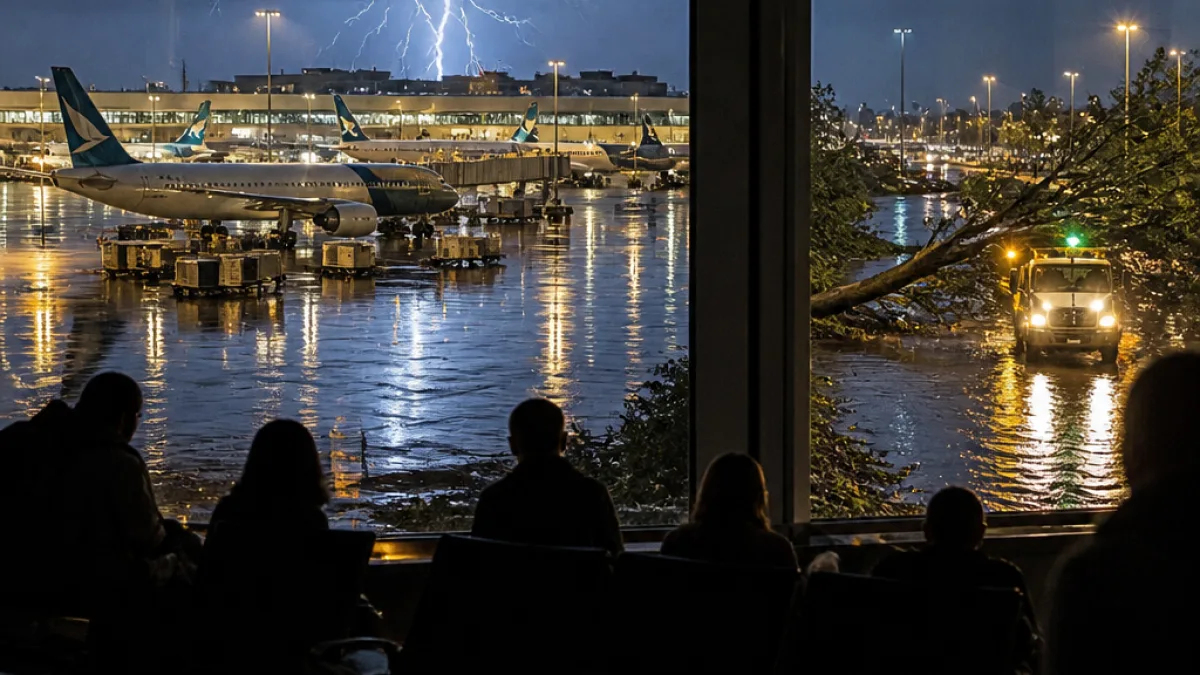
Vancouver International Airport (YVR) said passengers were stranded between 9 p.m. and 3 a.m. after flights could not depart and arriving aircraft were unable to taxi to gates because of the lightning. The airport warned that impacts to the schedule were ongoing as staff worked to recover flights.
Rain spreads inland
Heavy rain was not limited to the coast. Environment Canada also reported downpours in central B.C., warning the Cariboo and Chilcotin regions could receive between 25 and 50 millimetres of rain overnight, raising concerns about localized flooding and runoff where soils are saturated.
Local impacts and safety reminders
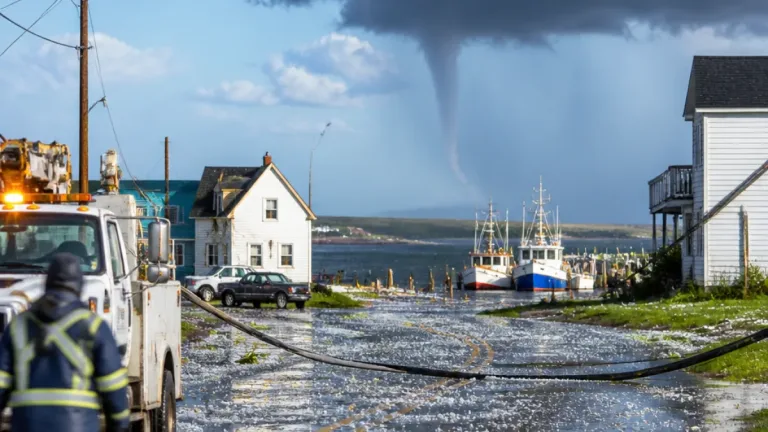
The combination of lightning, wind and rain increased the likelihood of downed trees and damaged power lines. Residents in affected areas should take care around fallen lines and report outages to their utilities. BC Hydro’s outage map remained the primary public source for information on the extent and restoration status of power interruptions.
- Keep away from fallen wires and assume they are live.
- Use flashlights rather than candles if power is out.
- Check BC Hydro’s outage map and follow local municipal advisories for road closures.
- If travelling, confirm flight status with your airline before heading to the airport.
Transportation and recovery
Air travellers faced the brunt of the storm’s disruption at YVR, where delays and gate hold-ups were caused by safety protocols that halted ground movements during lightning activity. The airport said it was working to restore its schedule, but cautioned passengers that recovery could take time as aircraft, crew and gates were reallocated.
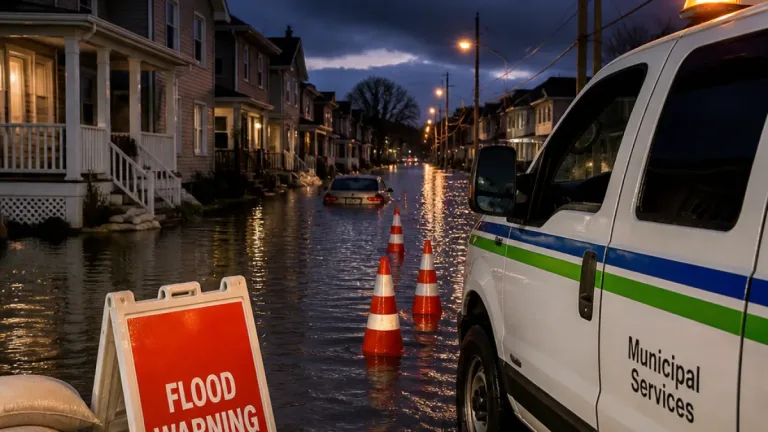
Downed trees and water on roadways also complicated ground travel, particularly in low-lying or heavily treed neighbourhoods. Motorists were urged to exercise caution; crews from utilities and municipal public works were deployed across the region to clear debris and make repairs.
Context for coastal communities
Storms with intense lightning are relatively less common on the West Coast than on the Prairies and Ontario, but when they do occur they can cause concentrated damage because of the region’s dense tree cover and the modern reliance on uninterrupted power for heating, communications and transportation systems. The overnight timing compounded consequences for commuters and air travellers who found themselves delayed into the morning.
| Region | Main impacts |
|---|---|
| Metro Vancouver | Severe thunderstorm warning, thousands without power, travel disruptions |
| Whistler & Southern Gulf Islands | Severe thunderstorm warning, lightning and localized outages |
| Vancouver Island (parts) | Severe thunderstorm warning, lightning-related outages |
| Cariboo & Chilcotin | Heavy rain (25–50 mm) and increased runoff risk |
Emergency and utility crews typically prioritise repairs to critical infrastructure and single-customer impacts after widespread events, but restoration times vary depending on accessibility and the extent of damage. Residents are advised to keep emergency kits on hand and to follow updates from municipal emergency management offices and BC Hydro.
As crews work through the day to assess and repair damage, the public is asked to report hazards, avoid travel when possible and remain patient as recovery efforts proceed.