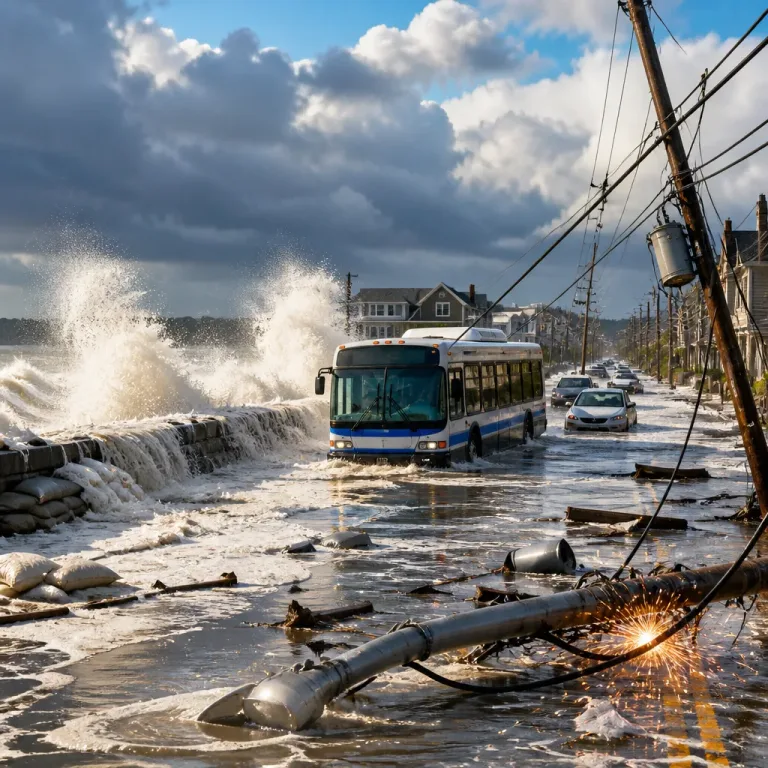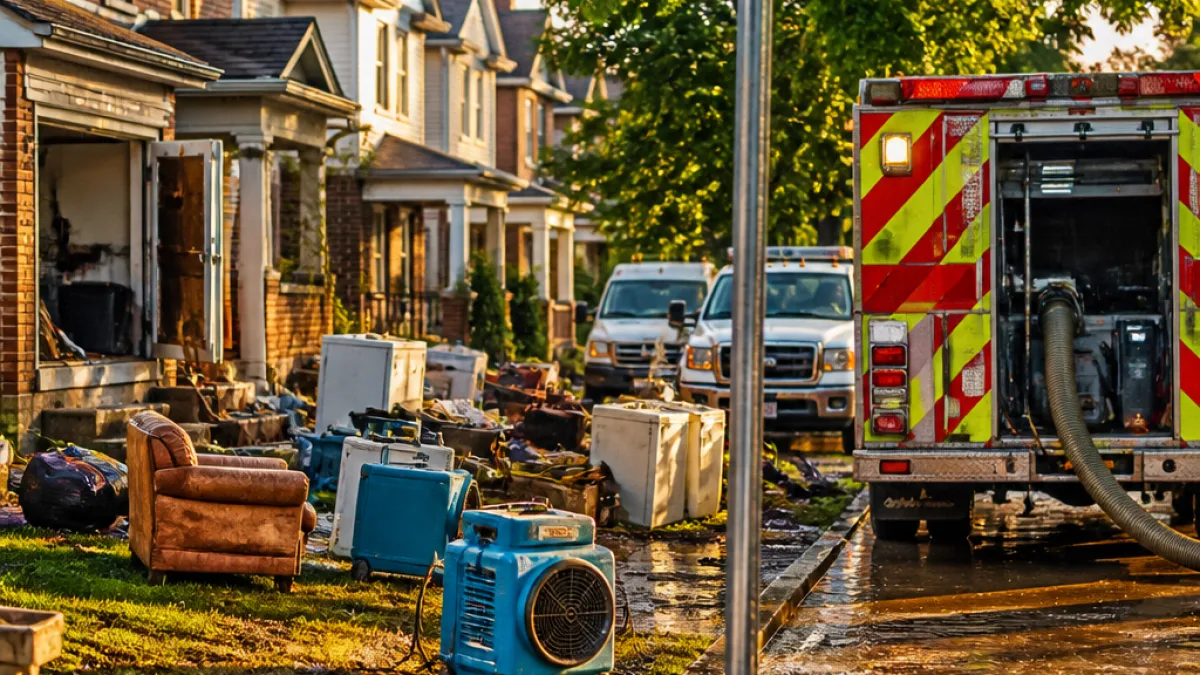
Weeks after two intense storms inundated parts of St. Catharines this summer, many residents remain in damaged homes or living with unrepaired basements as insurance responses falter and costs mount.
Damage widespread; recovery slow
On an early morning in late July, heavy rain and overwhelmed sewer-stormwater systems sent sewage-contaminated water into basements across north St. Catharines. One household reported 6.5 inches of water in their home. City leaders later declared a state of emergency after two storms dumped more than 140 millimetres of rain across the Niagara area.
The immediate toll was significant: appliances ruined, walls contaminated with wastewater and personal belongings lost. Municipal officials estimate the storms affected more than 10,000 homes in St. Catharines alone.
Residents describe ruined living spaces and stalled repairs
Lori Ruzic, a mother of two, said her family’s basement — the daily hub where they gathered — was left devastated.
“It smells awful,” said Ruzic. “Smells like sewage.”
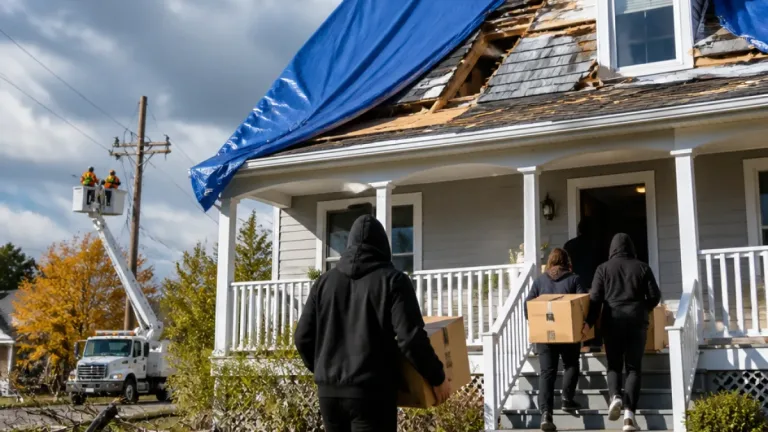
She described floors ripped out, walls opened and piles of ruined drywall, cupboards and doors at the curb. Ruzic estimated their contents damage had already exceeded $70,000.
Nearby, retired widow Debbie Costello escaped direct wastewater contamination but could not use her furnace or water heater after stormwater damage. A contractor sent by her insurer assessed damage above $30,000, she said — then she experienced a long pause in communication.
Insurance responses and gaps
Across neighbourhoods, residents report slow follow-up from insurers after initial assessments. Some homeowners say contractors appointed by insurance companies made early visits and estimates, but then they encountered “radio silence.” Others are discovering coverage limits or exclusions as claims progress.
- Contaminated basements: Many homes suffered sewage-tainted floodwater, which increases remediation complexity and cost.
- Large claims: Personal-content losses and structural repairs have produced six-figure and tens-of-thousands claims in individual households.
- Delayed action: Insurer-assigned contractors completed assessments but long waits for remediation work or payouts are widespread.
Local implications and public concern
The lingering smell of wastewater and piled debris at curbsides are visible signs of broader problems: gaps in emergency response capacity, the limits of private insurance for widespread events, and the strain on municipal services handling disposal and public-health follow-up.
Municipal declarations of emergency in St. Catharines and neighbouring Lincoln followed storms that also damaged basements in Niagara Falls, including the mayor’s home. The frequency and severity of such events raise questions about resilience of combined sewer-stormwater systems in older urban neighbourhoods, and about whether residents are adequately informed about coverage for wastewater contamination.
| Metric | Reported figure |
|---|---|
| Rainfall in one event | 6.5 inches |
| Total rainfall cited | 140 mm |
| Homes affected in St. Catharines | more than 10,000 |
| Example household contents damage | $70,000 |
| Example insurance assessment | $30,000+ |
For residents, the practical consequences are immediate: living with mould and contaminated interiors poses health risks, displaced families face ongoing costs, and homeowners confront uncertainty over timelines for repairs and payouts. Those with damaged furnaces or water heaters must arrange alternate cooling and hygiene options while waiting for repairs.
City staff and emergency services have been coordinating clean-up and public-health advisories, but the long-term recovery — including debris disposal, contractor availability and insurance settlements — will take time. The situation highlights the divide between municipal emergency response capacity and the private insurance system’s ability to swiftly manage widespread, high-volume claims.
As the recovery proceeds, residents are watching for clearer timelines from insurers and for municipal steps to prevent repeated sewer-stormwater failures in vulnerable neighbourhoods.