Jury selection opened Monday in Las Vegas for the murder trial of Duane “Keffe D” Davis, the man accused in the fatal 1996 shooting of rapper Tupac Shakur. The proceedings mark the latest chapter in a case that has remained a subject of public fascination for nearly 30 years.
High-profile trial draws national attention
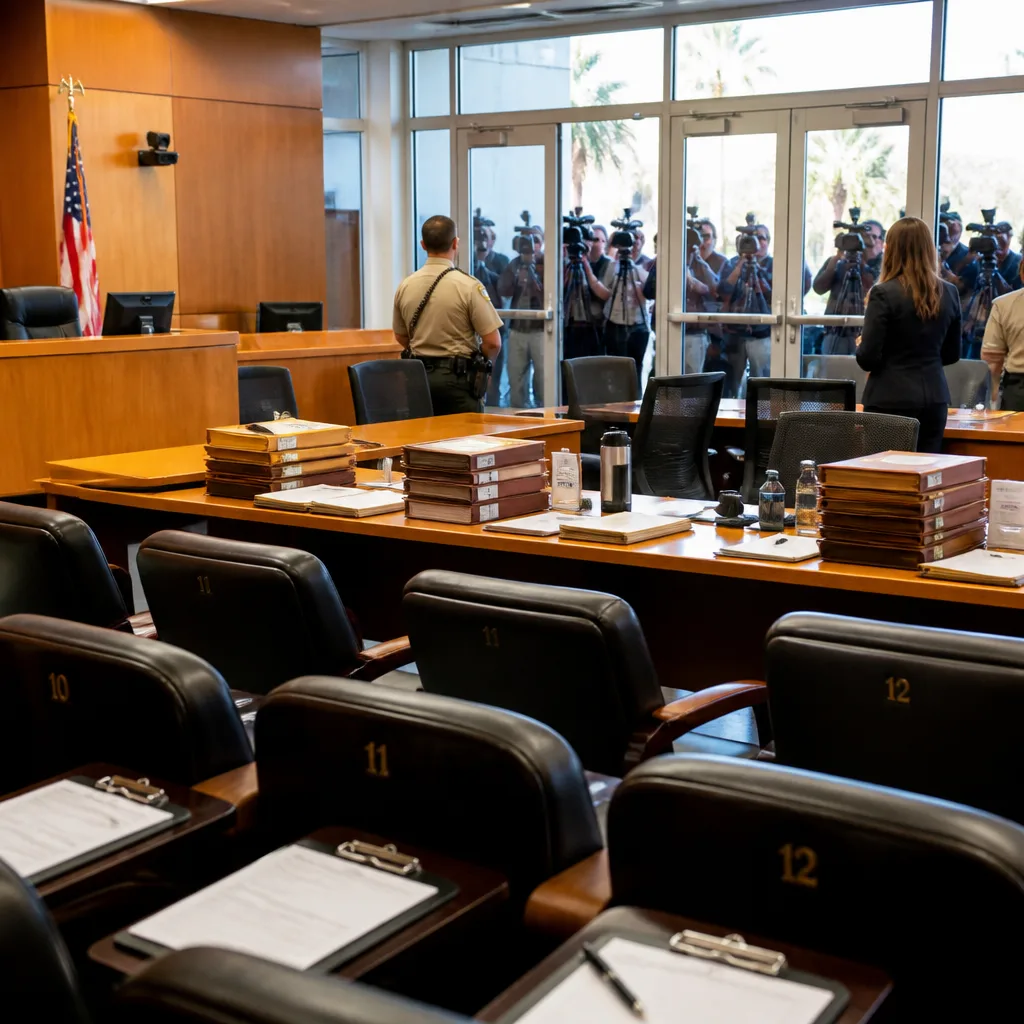
The case has attracted national scrutiny as one of the year’s most prominent celebrity criminal trials. Court activity on Monday focused on selecting jurors — a stage that lawyers and legal observers say will shape the trajectory of the entire matter.
Nevada-licensed entertainment and trial attorney Tre Lovell has highlighted the legal hurdles expected to arise as the trial unfolds. He points to several procedural and strategic questions that tend to accompany high-profile matters, including the composition of the jury panel and how pretrial publicity might be managed.
What jury selection may look like
In a case with decades of media coverage and an international profile, counsel often face decisions about how to shield potential jurors from prior impressions. Typical issues include whether to ask prospective jurors about their exposure to news reports, their views on hip-hop culture and whether voir dire should be extended to ensure impartiality.
- Voir dire procedures to identify biases among potential jurors
- Pretrial publicity and measures to mitigate its influence
- Trial sequencing, including motions and evidentiary disputes that could delay presentation of the case
Lovell has emphasised that these sorts of procedural contests, while technical, often determine the practical shape of a trial — from what evidence reaches the jury to how witnesses are presented.
Next steps in the courtroom
Following selection, the trial will progress through standard phases: opening statements, witness testimony, cross-examination, and closing arguments. Each phase can present contentious legal fights, such as challenges to the admissibility of certain evidence or disputes over witness competency.
Because this matter involves a decades-old killing that took place on the Las Vegas Strip, many of the investigative threads and witness recollections have been subject to lengthy public and prosecutorial scrutiny. Those factors can complicate witness preparation and affect how jurors weigh testimony.
For prosecutors and defence lawyers alike, presenting a coherent narrative to a jury with fresh eyes — while contending with the broader cultural resonance of the case — will be essential.
Broader cultural and legal implications
Beyond courtroom mechanics, the trial revives questions about how the justice system handles cases involving famous figures and long-running investigations. The proceedings are likely to be watched closely by media, fans and legal analysts, who will assess both the evidentiary record and the management of high-profile litigation by the Nevada courts.
As the trial moves forward, attention will remain firmly on the jury — who will be asked to weigh decades-old events and make determinations based on evidence presented in a modern courtroom.
| Key fact | Detail |
|---|---|
| Defendant | Duane “Keffe D” Davis |
| Victim | Tupac Shakur |
| Location of shooting | Las Vegas Strip |
| Trial stage | Jury selection (began Monday) |
For audiences who have followed the case for years, the start of jury selection represents a pivotal moment. How the jury is instructed, which voices are allowed before the panel, and the ways in which attorneys frame the facts will determine whether this long-gestating legal dispute reaches a definitive resolution in the courtroom.