
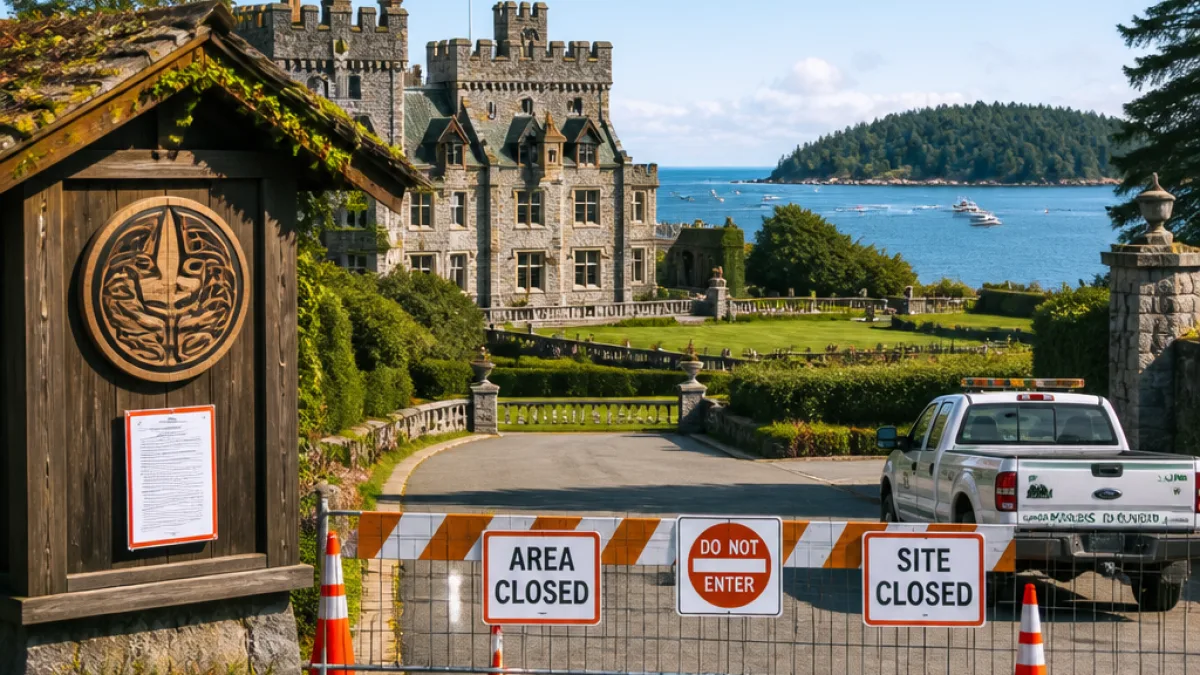
Negotiations that have stretched for more than three decades are approaching a decisive phase that would see more than 30 properties on Vancouver Island transferred to the Songhees Nation and members of the Te’mexw Treaty Association. Among the most high-profile parcels is Hatley Park, which contains Royal Roads University and the iconic Hatley Castle often seen in film and television.
What the proposed deal would mean
The minister responsible for treaty negotiations, Spencer Chandra Herbert, confirmed Thursday that public access to a number of sites named in the agreement could be limited or even lost in some cases. He said discussions around Hatley Castle also involve the federal government because the land is federal Crown property, and that any transfer could take years.
“So, in that sense, nothing is changing, or nothing would change, should the treaty be successful in terms of community ratification, and passing the legislature, and all those things,”
Chandra Herbert said both the Songhees Nation and Royal Roads want the park to remain in use as a post‑secondary campus and that there is a commitment to continued public access. But he cautioned that how access is managed in future could resemble current practices in provincial parks — temporary closures to allow First Nations to exercise cultural or environmental stewardship activities.
Sites named in documents
Available briefing material linked to the treaty process identifies several specific locations that would transfer under the proposed land package. In addition to Hatley Park, documents show the Songhees Nation would receive two downtown Victoria parking lots, including one adjacent to the provincial legislature, and Discovery Island Marine Provincial Park.
| Property | Current status |
|---|---|
| Hatley Park (Hatley Castle / Royal Roads University) | Federal Crown land; post‑secondary campus |
| Two downtown Victoria parking lots | Municipal/Provincial use; one next to legislature |
| Discovery Island Marine Provincial Park | Provincial park |
Those documents note that some lands in the proposed package have been used for public recreation and that once lands become treaty lands, access arrangements may change — a point likely to draw public attention, particularly for sites that receive visitors or provide civic services.
What local institutions say
Royal Roads University and municipal partners have been involved in conversations about the park's future, according to Chandra Herbert. He emphasised an interest from both the First Nation and the university to preserve the campus function and maintain opportunities for community use.
At the same time, the Te’mexw Treaty Association — which brings together the Beecher Bay, Malahat, Snaw‑Naw‑As and T’Sou‑ke Nations alongside the Songhees — is negotiating a package that will require community ratification, provincial legislative approval and federal sign‑off where federal lands are implicated. Those steps, the minister said, will determine the timing and specifics of any transfers.
Questions ahead for public access and operations
Local residents and stakeholders are likely to press for clarity on several fronts:
- How continued public access will be structured for parks and recreational lands;
- Operational arrangements for institutions located on transferred lands, such as Royal Roads University;
- Management of downtown properties that serve civic functions, like parking adjacent to the legislature.
Those matters will ultimately be shaped by negotiation details, community ratification processes and legislative reviews. Chandra Herbert emphasised that any change depends on the treaty being finalised and accepted by the communities involved.
For many residents, the transfer of historically used public lands to Indigenous stewardship raises complex feelings: recognition and reconciliation for First Nations alongside concerns about day‑to‑day access and continuity of services. The government’s communications outline the potential for access to be similar to temporary park closures that now allow First Nations to carry out cultural and environmental activities.
As talks continue, local officials, First Nations representatives and institutional partners will be watched closely for further details about timelines and the frameworks that will govern public use and management of these high‑profile sites.
















