Vancouver — British Columbia’s premier moved quickly on Saturday to calm concerns about a sudden collapse in Canada‑U.S. trade talks, calling the incoming American duties “inexplicable and indefensible” while pledging that Ottawa and the province would stand firm.
Immediate reaction from the province
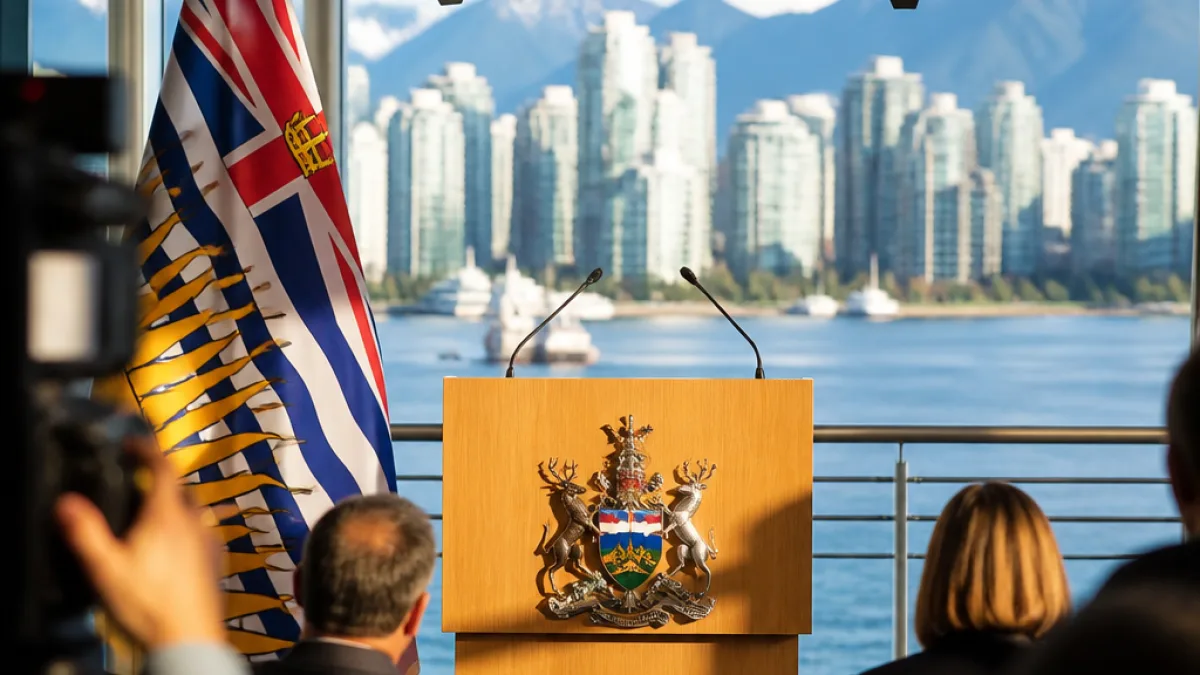
David Eby held a media briefing in Vancouver on Aug. 22 after federal officials confirmed negotiations with the United States had fallen apart. He said the talks did not amount to a fair negotiation and revealed what he described as the real terms Washington sought in its relationship with Canada.
“
Inexplicable and indefensible,” Eby said, using the phrase to characterise the American decision to impose steep duties. He added that the current U.S. administration “cannot be trusted” to deliver a durable agreement, and warned that a signed deal would not necessarily remain in place.
“
No deal is better than a bad deal,” Eby said, attributing the sentiment to conversations with colleagues in government as the federal response took shape.
What Ottawa has announced
Late Friday, Prime Minister Mark Carney issued a federal statement explaining new Canadian tariffs designed to mirror measures announced by the United States. Ottawa says it will match the U.S. duties dollar‑for‑dollar on a range of products, with the retaliatory measures due to come into effect the Tuesday after Labour Day.
The federal release identified several areas targeted by the countermeasures: steel, dairy, appliances, agricultural equipment, pulp and paper and electronics. It also noted that products already subject to the earlier Section 232 and 338 tariffs would be included.
| Sector | Highlighted by Ottawa |
|---|---|
| Steel | Included |
| Dairy | Included |
| Appliances | Included |
| Agricultural equipment | Included |
| Pulp and paper | Included |
| Electronics | Included |
Local impacts and lingering questions
For B.C., the measures carry both symbolic and material consequences. The province’s economy is tied to cross‑border trade — from manufactured goods to agricultural exports and the forestry sector — and businesses are bracing for direct and secondary impacts on supply chains and costs.
Eby also confirmed a much‑reported sticking point in talks: American demand for the return of U.S. alcohol to provincial liquor stores. He said B.C. will not be re‑stocking U.S. spirits and wine on government store shelves.
The federal statement characterised the breakdown in bargaining bluntly: “In short, they asked too much and offered too little.” That summary captures Ottawa’s view that the U.S. demands were unacceptable and that matching duties are an appropriate response.
Timing and scope of tariffs
President Donald Trump first announced the 50‑per‑cent tariffs against Canada in late July, signing three proclamations on July 20 that set out the additional duties. Ottawa’s countermeasures are scheduled to take effect shortly after Labour Day; officials said further details on the list of affected goods and the precise schedule would be released in the coming days.
Businesses and consumers across the province will be watching those lists closely to understand what will be directly affected. Producers in the sectors flagged by Ottawa are likely to face immediate concern about market access and pricing.
Political fallout and next steps
Provincial officials are coordinating with federal counterparts as the government prepares for the next phase of the dispute. Eby emphasised the need to protect British Columbians’ interests and to ensure the province can weather a trade dispute that appears likely to be protracted.
- Province stance: B.C. will support federal countermeasures and maintain current liquor policies.
- Federal action: Canada will match U.S. duties dollar‑for‑dollar; implementation slated for the week after Labour Day.
- Key sectors at risk: steel, dairy, appliances, agricultural equipment, pulp and paper, electronics.
For businesses and consumers in B.C., clarity will hinge on the detailed tariff schedules promised by Ottawa. In the meantime, provincial officials say they will continue to press federal negotiators to protect employment, supply chains and the province’s economic stability as the dispute unfolds.
Reporting from the West Coast will continue as new federal details emerge and local industries assess the immediate fall‑out.