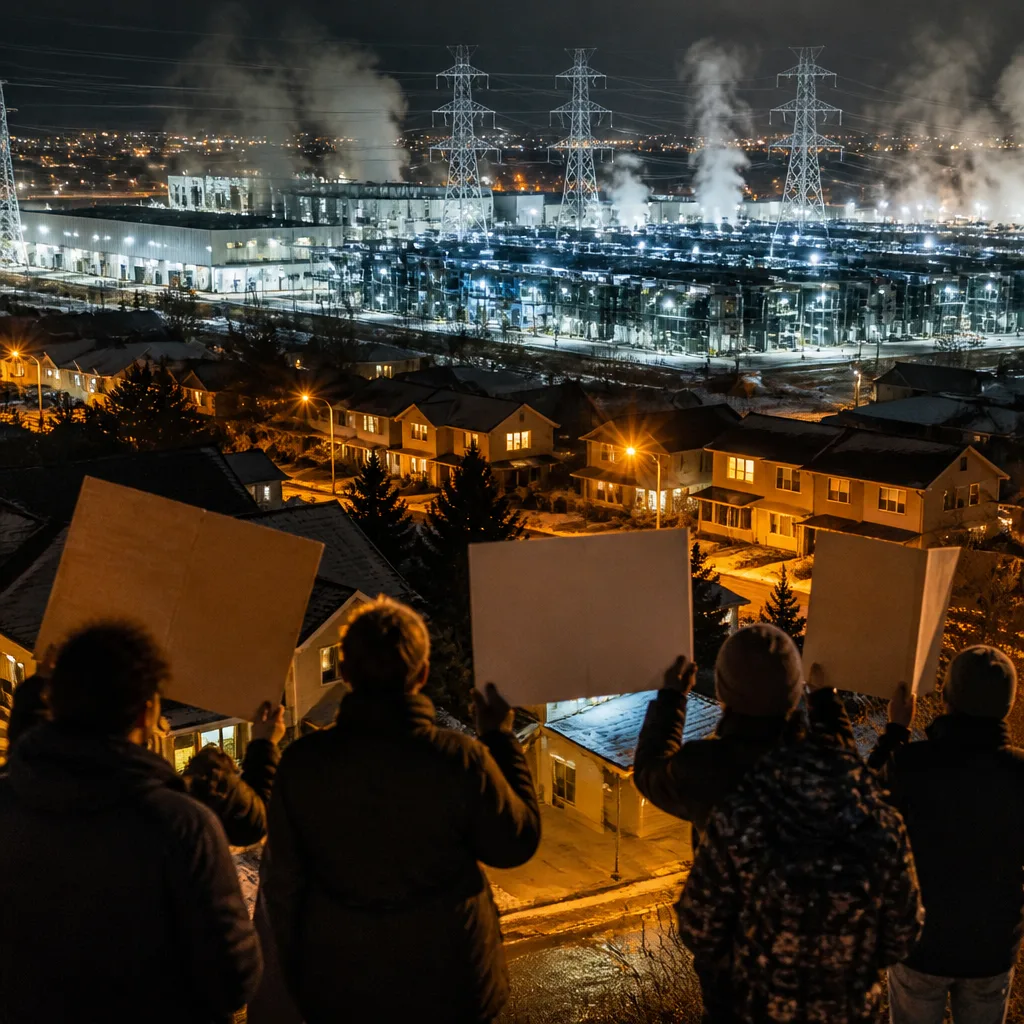
The sprawling server farms that power artificial intelligence have emerged as a potent political issue in the United States, with candidates across the spectrum confronting voter anger over higher electricity bills, noisy facilities and strained local services.
From economic boon to campaign liability
Television adverts in at least 21 races across 18 states this election cycle have invoked data centres, according to marketing analytics cited by U.S. media. The mention of these facilities is nearly evenly split between Republicans and Democrats, signalling a cross-partisan political vulnerability.
Critics point to recent market analysis showing that, on one regional grid serving Ohio and 12 other states, demand from data centres contributed to a $9.3-billion rise in capacity costs in a single year — a 174 per cent increase. That surge has been seized on by challengers and incumbents alike, who argue households are being left to shoulder higher power bills while corporate users secure favourable deals.
“We were not supposed to hear it, nor was it supposed to affect our quality of life, and it's just done the opposite, you know?”
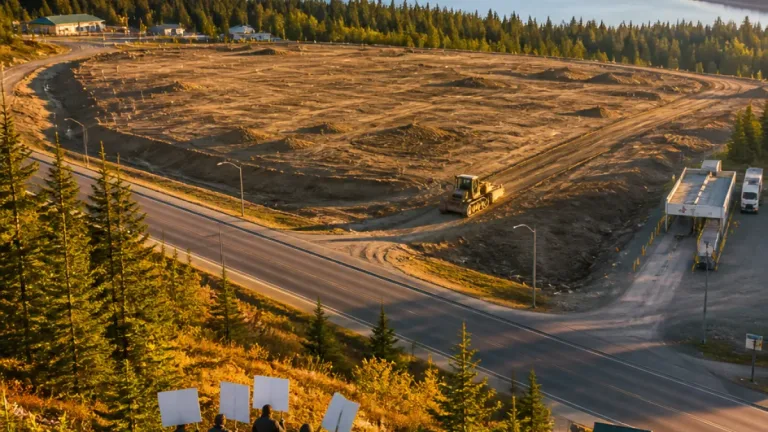
The remark came from Melissa Burnett, a resident of Brazoria County, Texas, describing the arrival of a 17-megawatt data centre in her formerly quiet neighbourhood. Such local complaints — noise, visual impact and perceived loss of amenity — are joining broader economic concerns to form a potent campaign issue.
Political fault lines and policy responses
The backlash has put politicians who once lured data-centre investment with tax breaks and promises of jobs on the defensive. Texas is the sharpest example: Governor Greg Abbott, who earlier hailed his state as an “epicentre of AI development,” has paused approvals for new projects while regulators assess impacts on power and water resources. His Democratic challenger has called for a moratorium until stronger safeguards are enacted, accusing Abbott of favouring wealthy interests over ordinary citizens.
Meanwhile, most leading Republicans continue to support the industry as strategically important to outcompete China on AI. Former president Donald Trump remains a notable outlier among elected Republicans by continuing to call the sector vital to national competitiveness, leaving some Republican candidates at odds with the party’s broader messaging on local impacts.
Campaign consequences and where the issue matters
Ohio — a state with a complex mix of manufacturing legacy and political competitiveness — illustrates how data-centre politics can reverberate at the ballot box. Former U.S. senator Sherrod Brown has hammered his Republican opponent, Jon Husted, for courting data-centre investment. Brown’s ads label Husted “the face of data centres” and promise to require operators to bear the full cost of the electricity they consume. Republican strategists have warned that the issue could imperil Husted’s campaign.
Analysts describe data centres as a possible “sleeper issue”: not always the headline topic, but one that can influence voters when tied to household finances and local quality of life.
- Scope: Mentioned in adverts for at least 21 races (18 states).
- Grid impact: $9.3 billion increase in capacity costs, a 174% rise in one year on a multi-state grid.
- Local effects: Complaints include noise and disruption; examples include a 17-megawatt centre in Brazoria.
| Metric | Value |
|---|---|
| Races mentioning data centres | 21 |
| States involved | 18 |
| Capacity cost increase (one grid, one year) | $9.3 billion (174%) |
For municipal and provincial leaders, the issue raises difficult trade-offs: the short-term economic gains from hosting data centres — jobs, property taxes and investment — versus long-term pressures on power systems, water supplies and neighbours’ quality of life. The political salience of the debate suggests governments and regulators will face increased pressure to craft clearer rules on siting, grid contributions and environmental safeguards.
In Canada, policymakers already confront similar questions as cloud and AI infrastructure expands into provinces with ample power and land. The U.S. experience underscores the potential for local opposition to transform into a national political story, especially when linked to household costs and broader scepticism of technology companies.
As campaigns progress, expect to see more targeted messaging — and more regulatory scrutiny — as politicians attempt to balance economic development with constituent concerns about costs, services and local livability.